






Resources
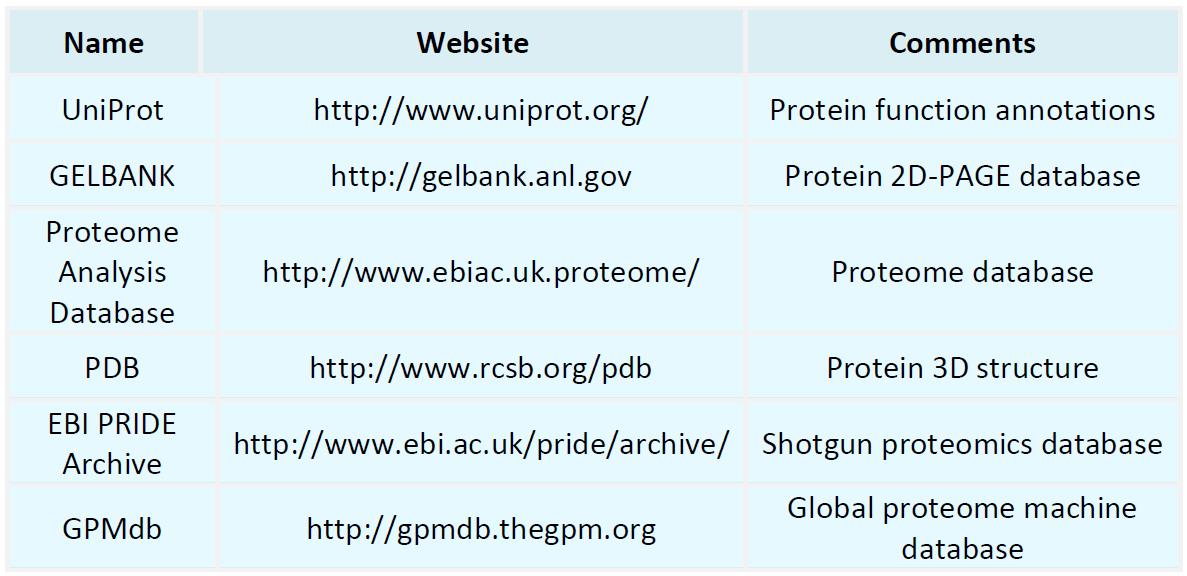
Proteomics Databases
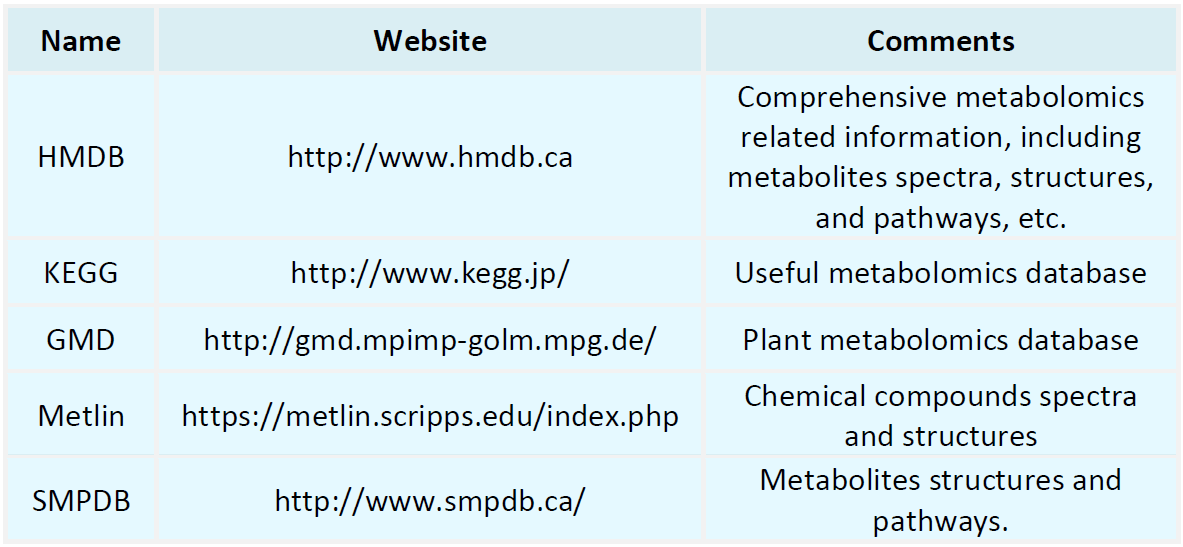
Metabolomics Databases
-
• Protein Modification Proteomics
Post-translational modifications proteomics (PTM proteomics) is a systematic analysis method for studying post-translational modifications (PTMs) in proteins. PTMs are significant biochemical events within cells and play key roles in almost all biological processes, including signal transduction, cell cycle regulation, gene expression, and cell death, etc.
-
• Common Methods of Protein Phosphorylation Modifications Detection
Protein phosphorylation modification is a key event in cellular signal transduction, therefore accurate detection and quantification of it are essential. The commonly used methods for detecting protein phosphorylation modification mainly include: 1. Western Blot Use antibodies specific to the phosphorylation site to detect phosphorylated proteins. This method can provide semi-quantitative data for specific phosphorylation sites.
-
• Protein In Vitro Phosphorylation Detection
Protein phosphorylation is one of the most important post-translational modifications in organisms, involved in many life processes such as the cell cycle, signal transduction, and metabolic regulation. Protein in vitro phosphorylation detection, as an experimental technique, is crucial for our in-depth understanding of protein function and related disease mechanisms.
-
• Ubiquitin Protein and Ubiquitination
Ubiquitin Protein Ubiquitin is a small, highly conserved protein, composed of approximately 76 amino acids. It is present in all eukaryotic organisms and is involved in many cellular processes. Ubiquitination Ubiquitination is a post-translational modification process in which ubiquitin forms a covalent bond with a specific amino acid residue (usually lysine) of the target protein through its C-terminus.
-
• Ubiquitin Protein and Ubiquitination Experiment
Ubiquitin Ubiquitin is a highly conserved protein, composed of 76 amino acids, with a molecular weight of approximately 8.5 kDa. Ubiquitin is present in all eukaryotic cells and plays a key role in many cellular processes, especially protein degradation and signal transduction. Ubiquitination Ubiquitination is a post-translational modification process in which ubiquitin protein forms a covalent bond with the target protein.
-
• Unveiling Protein Relative Molecular Mass Determination: Comprehensive Analysis of Common Methods
Protein is an important functional molecule in organisms, and the determination of its relative molecular weight is crucial for understanding the structure and function of proteins.
-
• Comparison of iTRAQ/TMT Label-Based Quantitative Proteomics Techniques
Introduction Proteomics is the scientific field that studies the complete set of proteins and their functions in organisms. In the research and development of biopharmaceuticals, understanding the changes in the proteome is crucial for understanding disease mechanisms, drug action, and identifying new therapeutic targets. Quantitative proteomics techniques play an important role in studying the expression level changes of proteins in the proteome.
-
• iTRAQ Plant Proteomics: Quantitative and Differential Analysis
Proteins are one of the most important functional molecules in organisms, involved in the regulation and execution of almost all biological processes. Therefore, studying the quantitative and differential analysis of the proteome is of great significance for understanding biological processes in organisms.
-
• Comparison of Mass Spectrometry MRM With iTRAQ/TMT Quantification
Introduction Protein quantification is an important task in the field of biopharmaceutical research. Accurate measurement of protein expression levels is crucial for understanding disease mechanisms, drug development, and discovery of biomarkers. Mass spectrometry technology is a commonly used method in proteomics research.
-
• iTRAQ Sequencing Uncovered: From Technique to Application
Introduction iTRAQ sequencing is a commonly used quantitative proteomic technique that compares protein expression levels between different samples by labeling amino acid residues in protein samples. This article comprehensively explains the iTRAQ sequencing technology from three aspects: technical principles, experimental procedures, and application cases.
How to order?




