






Resources
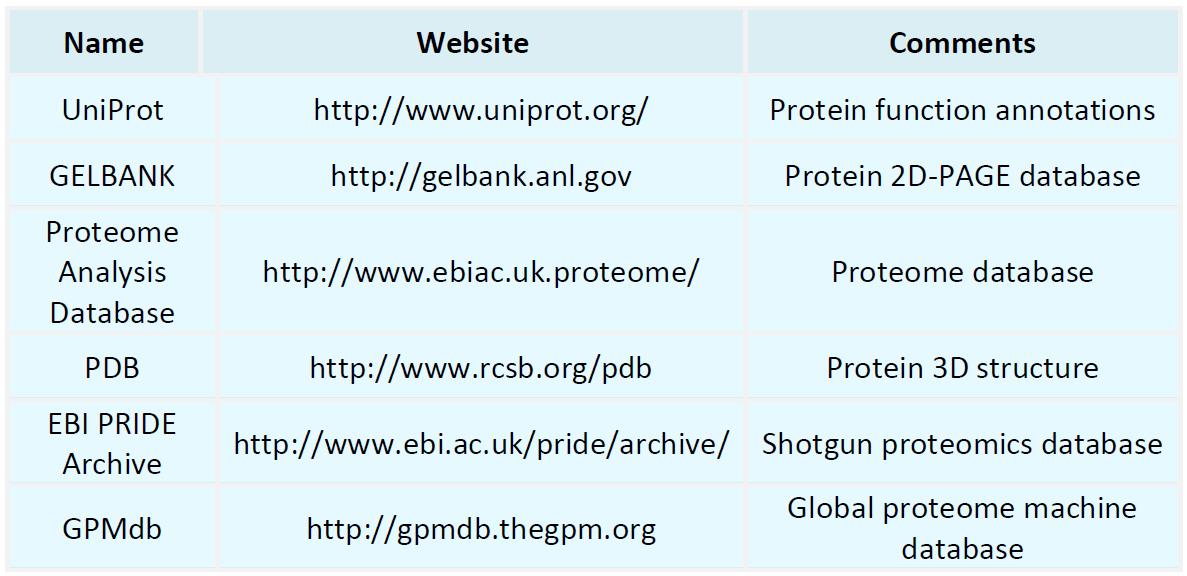
Proteomics Databases
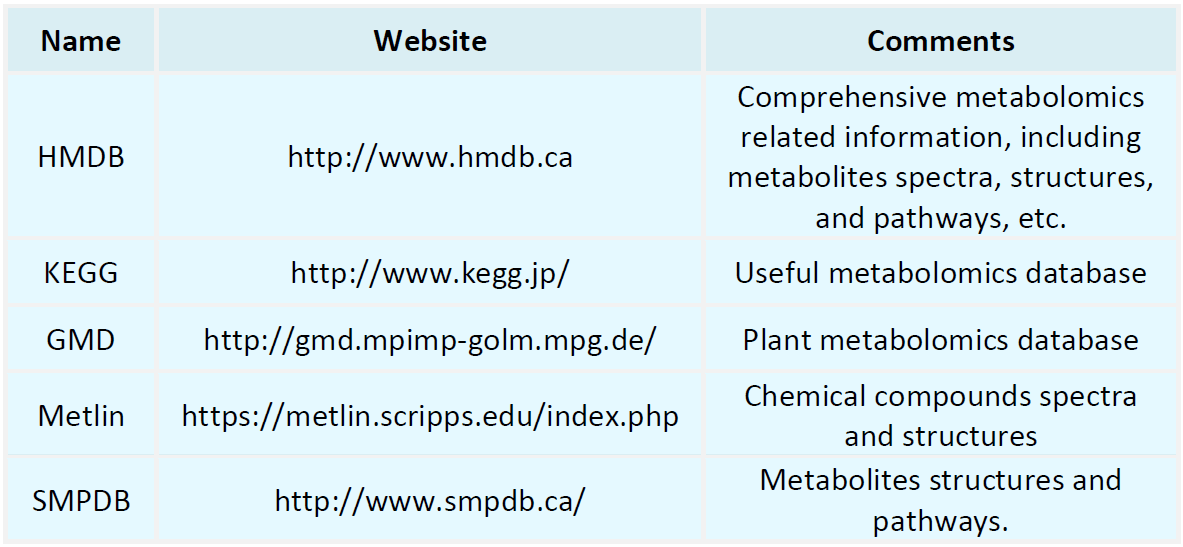
Metabolomics Databases
-
• In-Depth Study of Intracellular Proteins via Proteomic Mass Spectrometry
Protein mass spectrometry, as a powerful analytical technique, provides us with a window to explore the proteins inside cells. Understanding the composition, structure, and function of proteins is crucial for understanding biological processes, studying disease mechanisms, and developing new drugs.
-
Protein sequencing provides direct insights into the amino acid sequences of proteins, a fundamental step for comprehending protein structure and function. Following sequencing, it becomes possible to predict a protein's three-dimensional structure, facilitating the analysis of its biological functions and interaction mechanisms. Such insights are critical for advancing our understanding of life processes and elucidating the origins and progression of diseases. Current protein sequencing methods prima......
-
• Construction and Analysis of Protein Interaction Networks via Proteomic Mass Spectrometry
Protein interaction networks reveal the complex interactions between proteins, providing important clues for disease mechanisms and drug development. Protein mass spectrometry technology, as an efficient method, is widely used for constructing and analyzing protein interaction networks, thereby driving advances in biopharmaceutical research.
-
• Advantages and Innovations in Proteomic Mass Spectrometry
In order to gain a deeper understanding of the composition and function of the proteome, protein mass spectrometry has emerged. With its high sensitivity, high resolution, and high throughput, protein mass spectrometry has become an important tool for studying the proteome.
-
• Exploring Quantitative Analysis in Proteomics
Protein quantitative analysis in proteomics, as an efficient and accurate technology, reveals the depth and breadth of the proteome, providing important support for biomedical research.
-
• Advantages of Selecting Differential Proteins in Proteomics
Proteomics is one of the most important molecules in organisms and plays a crucial role in cellular functions and biological processes. Differential proteomics aims to identify and compare the differences in protein expression between different samples or conditions, in order to understand the regulation and functional changes of proteins in organisms. Proteomics, as a precise analytical method, reveals the changes and functional characteristics of the proteome in organisms.
-
• How to Analyze and Interpret the Determination of Disulfide Bonds in Proteins?
The disulfide bond in proteins is an important chemical bond that plays a crucial role in protein structure and function. Accurate determination of the presence of disulfide bonds in proteins is of great significance for a deeper understanding of their structure and function. This article will focus on how to analyze and interpret the results of determining the presence of disulfide bonds in proteins, helping readers to gain a better understanding of the methods and steps in this field.
-
Proteomics, as a discipline studying the overall composition and function of proteins, provides powerful tools through the application of advanced mass spectrometry techniques to reveal the mysteries of proteins.
-
• How to Select an Appropriate Technique to Detect Protein Phosphorylation Levels?
Protein phosphorylation is an important post-translational modification that plays a key role in regulating protein structure and function. Accurate detection of protein phosphorylation levels is of great significance for understanding cellular signal transduction and biological processes. This article will focus on how to choose appropriate techniques to detect protein phosphorylation levels, helping readers understand the relevant methods and steps in this field.
-
• How to Identify Ubiquitination Substrates Using Mass Spectrometry?
Ubiquitination is an important protein modification process that regulates many important biological processes in cells, such as protein degradation, signal transduction, and cell cycle regulation. To understand the function and mechanism of ubiquitination, it is crucial to identify and characterize ubiquitination substrates. Mass spectrometry technology, as a powerful tool, provides an important means to search for ubiquitination substrates.
How to order?




