






Resources
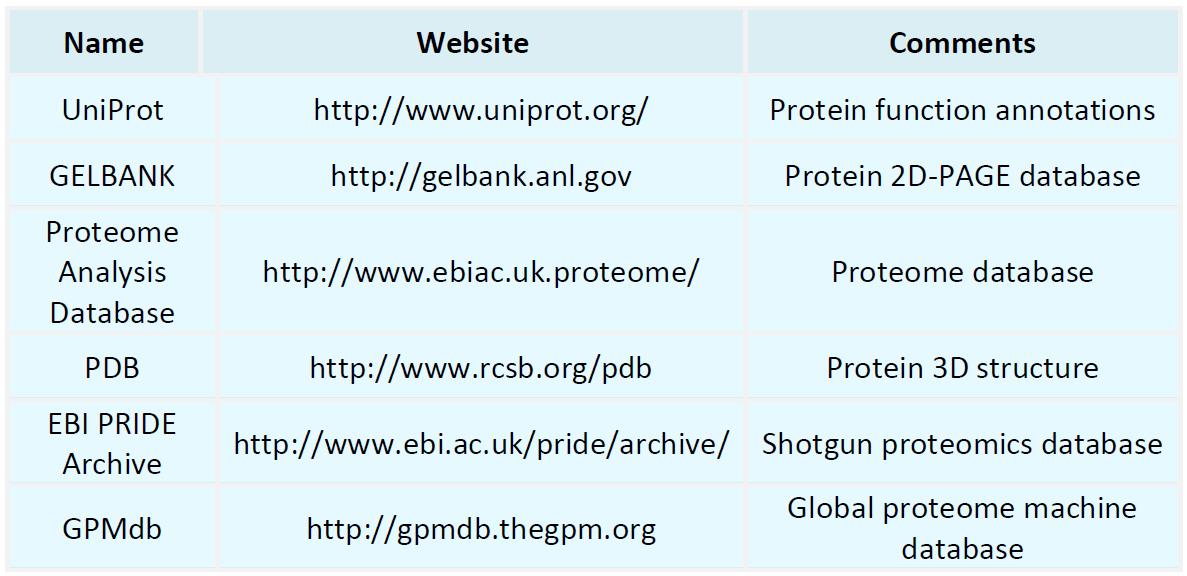
Proteomics Databases
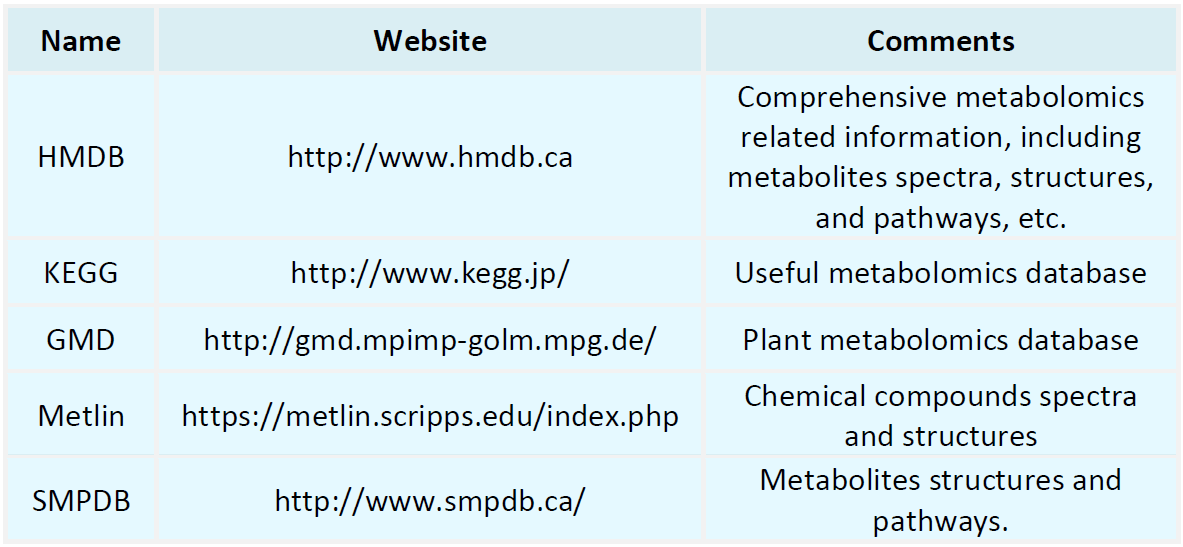
Metabolomics Databases
-
HTS screening assays represent a powerful methodology for rapidly and efficiently evaluating the biological activities or properties of a vast number of compounds or biological samples. By integrating automation, miniaturization, and parallelization into experimental workflows, HTS screening assays enable the analysis of tens of thousands of samples in a short time frame. This approach has become indispensable in drug discovery, functional genomics, proteomics, and other domains of life sciences. In......
-
• Single-Crystal X-Ray Crystallography
Single-Crystal X-Ray Crystallography is a powerful analytical method for determining the atomic and molecular structures of substances by analyzing X-ray diffraction patterns generated by single crystals. When X-rays interact with the periodic atomic lattice within a crystal, they produce a diffraction pattern that can be used to reconstruct the three-dimensional arrangement of atoms. This technique has wide-ranging applications across chemistry, physics, and biology and serves as a cornerstone for st......
-
High-throughput assay refers to a rapid and highly efficient experimental approach designed to handle large-scale sample sets or datasets. Widely applied in disciplines such as biomedicine, drug development, genomics, and proteomics, this method leverages automation and integration to significantly enhance the speed and precision of data acquisition, thereby accelerating both fundamental research and clinical applications. In proteomics, high-throughput assay is indispensable as it facilitates the s......
-
High-throughput screening (HTS) is a pivotal technology in modern biology, chemistry, and drug discovery. By integrating automation, miniaturization, and computational analysis, high-throughput screening enables the efficient and systematic screening of extensive sample or compound libraries to identify bioactive molecules, protein targets, or potential drug candidates. Its defining characteristics-speed and high throughput-allow for the rapid analysis of hundreds of thousands, or even millions, of sa......
-
Single-cell ATAC-seq (Assay for Transposase-Accessible Chromatin using sequencing) is a cutting-edge technique for analyzing chromatin accessibility, providing insights into genomic regions that are available for binding by transcription factors and regulatory proteins. This method is an essential tool for elucidating genomic regulatory mechanisms, as chromatin accessibility plays a pivotal role in gene expression regulation by determining the availability of promoters, enhancers, and other regulatory......
-
Spatial mass spectrometry is a cutting-edge analytical method that integrates mass spectrometry with spatial information acquisition, offering a multidimensional approach to molecular analysis in complex biological samples. Unlike traditional mass spectrometry, which focuses on overall sample composition, spatial mass spectrometry provides detailed molecular spatial distribution data, enabling the localization and detection of metabolites, lipids, proteins, and drugs within tissue samples. This tech......
-
DART mass spectrometry (Direct Analysis in Real Time mass spectrometry) is an advanced analytical technique that offers rapid, non-destructive sample analysis without requiring extensive preparation. Unlike conventional mass spectrometry, DART mass spectrometry enables real-time examination of solids, liquids, and gases without solvent interaction, significantly enhancing analytical efficiency. Its key innovation is the ability to perform "real-time analysis," where molecular information is directly c......
-
SIMS mass spectrometry is a versatile analytical technique extensively used in materials science, geology, biomedicine, and related fields. By utilizing a high-energy ion beam to bombard sample surfaces, SIMS ejects secondary ions that are analyzed by a mass spectrometer. This method provides precise information on the elemental and isotopic composition of sample surfaces, with nanoscale spatial resolution. Its ability to combine high sensitivity with atomic-level detail makes SIMS mass spectrometry a......
-
ChIP mass spectrometry integrates chromatin immunoprecipitation with mass spectrometry to investigate protein interaction networks on chromatin and their functional roles in specific biological processes. ChIP uses antibodies to isolate target proteins and their associated chromatin fragments, while mass spectrometry accurately identifies and quantifies these proteins, along with their cofactors, modifying enzymes, and other critical components. By applying ChIP mass spectrometry, researchers can diss......
-
• Advances in Multiplex Protein Panel Technology
The multiplex protein panel is designed to facilitate comprehensive analysis of proteins in biological systems by simultaneously studying multiple proteomic samples. Compared to traditional proteomics techniques, this approach allows the concurrent analysis of multiple samples within a single experiment, enhancing research efficiency and ensuring robust data comparability. Its broad applications span disease mechanism research, drug target discovery, biomarker identification, and personalized medicine......
How to order?




