






L-Cystine Analysis Service
L-Cystine is a natural amino acid essential for maintaining protein structure and function. It is a dimer formed by the oxidation of two cysteine molecules, creating a disulfide bond crucial for stabilizing the tertiary and quaternary structures of proteins, particularly in extracellular and secretory proteins. L-Cystine also plays a significant role in cellular redox balance and detoxification processes.
Changes in L-cystine levels can indicate various physiological and pathological states. For instance, elevated L-cystine levels may be associated with cystinuria, a genetic disorder that causes cystine stones in the kidneys. Therefore, accurate analysis of L-cystine is crucial for understanding its role in health and disease and for diagnosing and managing related conditions.

Figure 1. Molecular Structure of L-Cystine
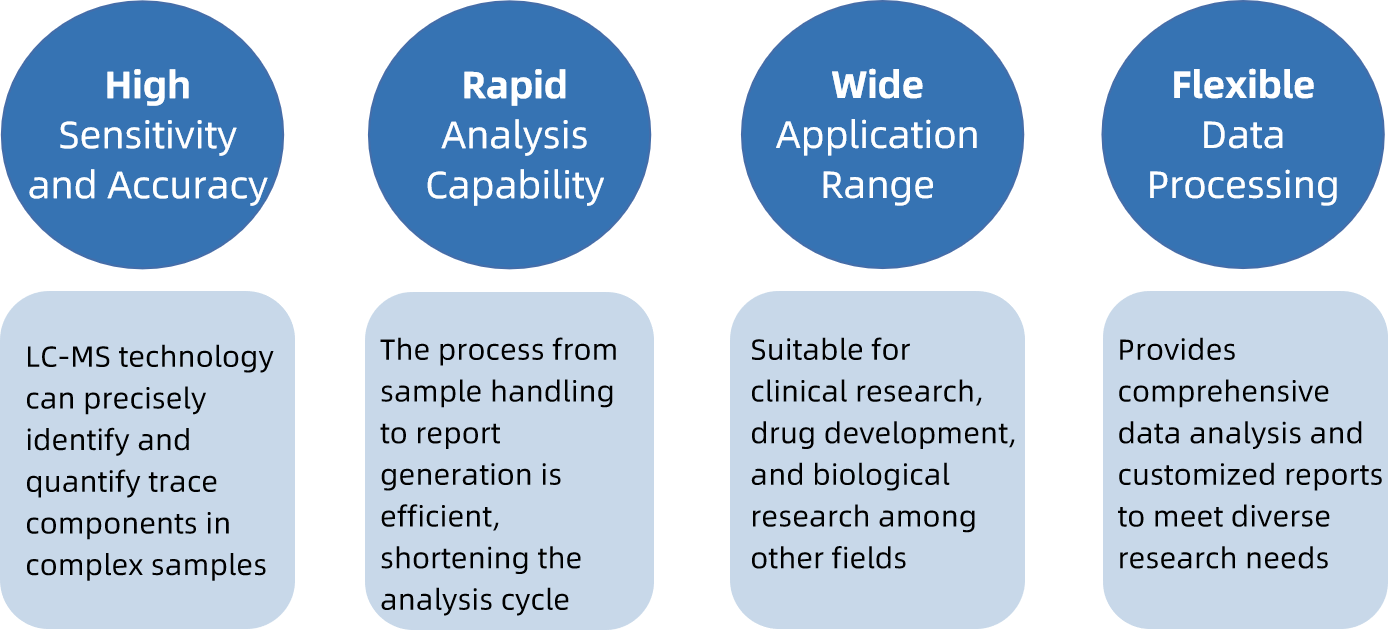
MtoZ Biolabs utilizes liquid chromatography-tandem mass spectrometry (LC-MS/MS) to conduct detailed quantitative and qualitative analyses of L-cystine and its metabolites. This advanced method integrates LC's rapid separation capabilities with the high detection sensitivity of MS/MS, facilitating the precise measurement of L-cystine in complex biological matrices.
Analysis Workflow
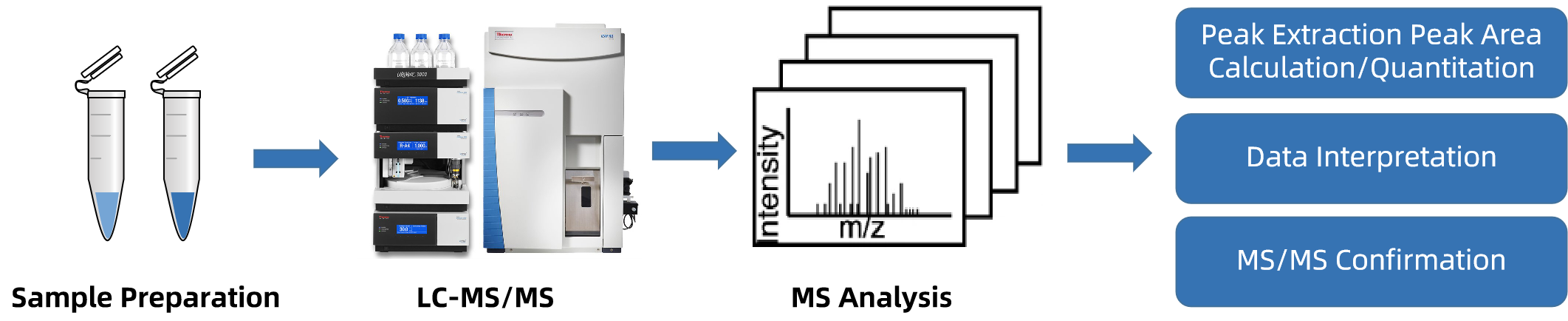
Experimental Instruments
- Liquid Chromatography-Mass Spectrometry (LC-MS)
- Gas Chromatography-Mass Spectrometry (GC-MS)
- Liquid Chromatography-Tandem Mass Spectrometry (LC-MS/MS)
Service Advantages
Sample Submission Requirements
Sample Types
Serum, plasma, urine, tissue homogenates, and other biological samples.
Sample Volume
At least 200 μL of liquid sample or 200 mg of tissue sample.
Sample Preservation
Store and transport samples at -80°C to maintain L-cystine stability.
Applications
Clinical Diagnosis: Detect L-cystine levels in patients with cystinuria, renal disorders, and other related conditions to assist in diagnosis and prognosis.
Metabolic Research: Investigate the role of L-cystine in cellular redox balance, protein structure stabilization, and detoxification processes.
Drug Development: Assess the impact of drugs on L-cystine metabolism to aid in developing new therapeutic agents.
Nutritional Research: Analyze the metabolic changes of L-cystine under different dietary conditions, providing scientific evidence for nutritional regulation and dietary supplementation.
Environmental Research: Monitor the effects of environmental toxins on L-cystine levels in organisms to evaluate the biological impact of environmental pollution.
Deliverables
1. Experimental Procedures
2. Relevant Liquid Chromatography and Mass Spectrometry Parameters
3. Detailed Information on L-Cystine and their Metabolites
4. Raw Data
5. Custom Analysis Report
Our L-cystine analysis service provides high-quality data support, advancing your scientific research and clinical studies. For any inquiries or requirements, please contact us.
How to order?




