



Understanding Blood Proteomics and Its Applications in Research
Blood continuously circulates throughout the body, transporting oxygen, nutrients, hormones, and metabolites while contributing to immune defense, blood coagulation, and fluid homeostasis. Blood proteins include transport proteins, immunoglobulins, complement components, coagulation-related proteins, and various signaling molecules that help maintain normal physiological functions. The composition and abundance of blood proteins vary with physiological conditions, immune activity, disease states, and experimental interventions. Blood samples therefore provide information for examining overall physiological status and related molecular changes.
Many biological changes involve multiple proteins and coordinated changes among proteins. A single-target assay cannot fully characterize protein expression patterns. Blood proteomics enables system-level analysis of protein composition and relative abundance in blood-derived samples, providing a protein-level basis for comparing different study conditions, identifying candidate proteins, and supporting subsequent research.
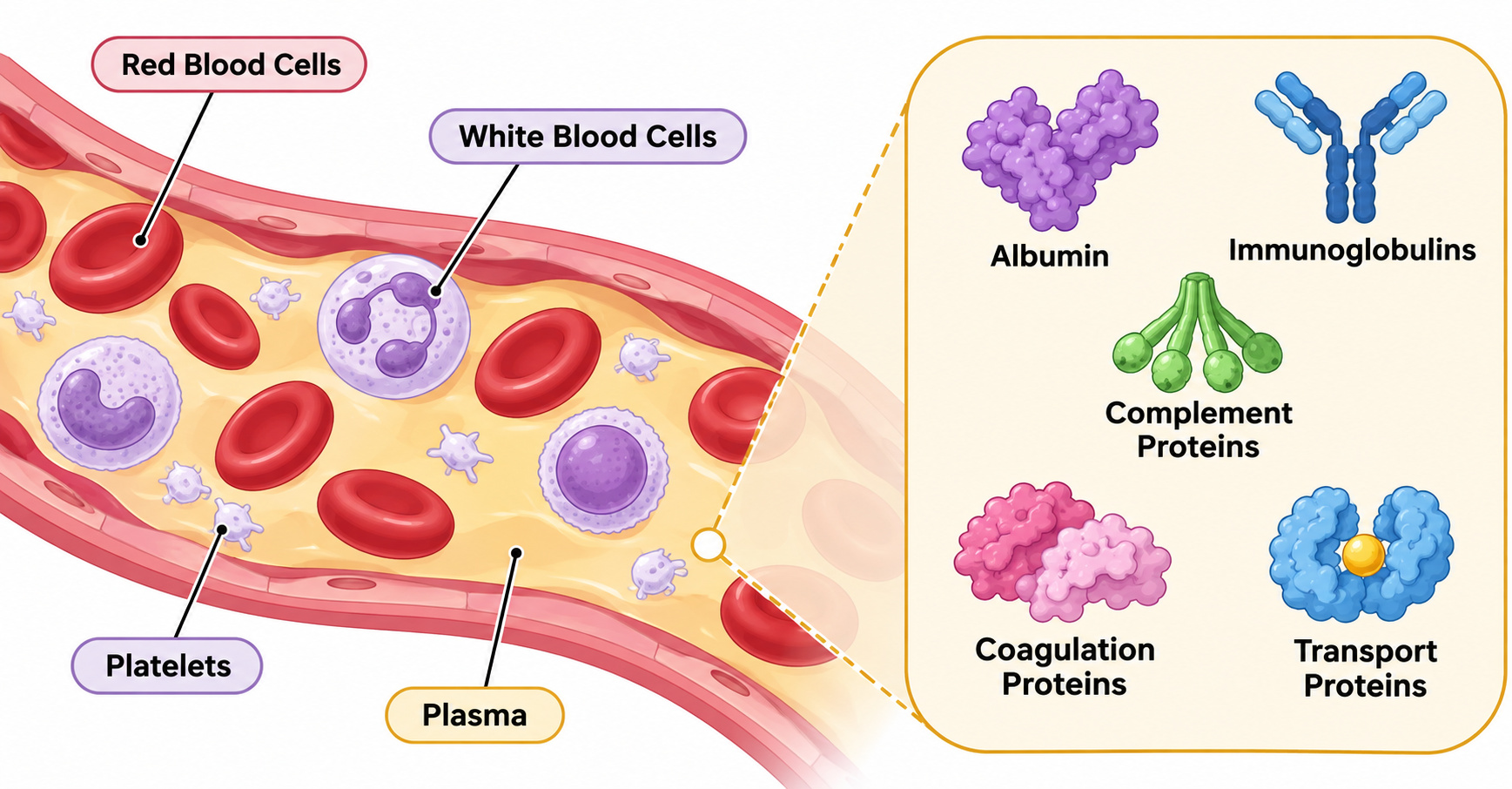
Figure 1. Blood Composition and Major Protein Groups.
What Is Blood Proteomics?
Blood proteomics uses mass spectrometry to systematically identify and relatively quantify proteins in blood-derived samples. Analytical materials may include plasma, serum, isolated PBMCs, white blood cell pellets, or pellets of sorted blood cell subsets.
Common analyses use liquid chromatography–tandem mass spectrometry (LC-MS/MS). Proteins in the samples are extracted and digested into peptides. Liquid chromatography separates the peptides, and tandem mass spectrometry acquires peptide signals. The acquired data are then searched against an appropriate protein sequence database to obtain protein identification and relative abundance information. Comparing protein profiles across samples or experimental groups can reveal protein changes associated with study conditions.
What Can Blood Proteomics Reveal?
Blood proteomics primarily provides the following types of protein-level information:
- Protein composition: Identify proteins detectable in plasma, serum, or cell samples and characterize the overall protein expression profiles of different sample types.
- Changes in relative abundance: Compare protein changes across disease states, experimental treatments, or time points to identify differentially abundant proteins associated with study conditions.
- Functional associations: Use GO, KEGG, Reactome, and PPI analyses to organize the biological processes, pathways, and known associations involving related proteins, providing leads for subsequent research.
These results can support the development of candidate protein lists and directions for follow-up research. Changes in relative protein abundance and functional associations should be interpreted in conjunction with experimental design, phenotypes, and other research evidence. The results alone cannot establish causal mechanisms or clinical diagnoses.
Blood Sample Types and Preparation
1. Blood Sample Types
Blood proteomics primarily analyzes plasma, serum, and isolated blood cell components. Plasma and serum are used to examine circulating protein profiles. PBMCs, white blood cell pellets, and blood cell subsets sorted by the customer before submission provide information on cell-associated proteins. Whole blood must first be separated into plasma, serum, or cellular components before submission.
Both plasma and serum are suitable for circulating protein research. If both sample types can be prepared, plasma is preferred. For differences in research applications, see Serum vs. Plasma Proteomics: Key Differences and Sample Selection; for an overview of the characteristics of each sample type, see Plasma Proteomics and Serum Proteomics.
2. Sample Preparation
- Sample input
For routine proteomics, the minimum input is 15 μL of plasma or serum, with 20–50 μL recommended. For PBMCs, white blood cells, and sorted cell subsets, the minimum input is 5 × 10⁶ cells, with 1 × 10⁷ cells recommended. Input requirements for PTM, PRM, or low-input analyses should be confirmed based on the specific workflow.
- Storage and shipping
Plasma and serum should be aliquoted and stored at −80°C, shipped on dry ice, and protected from repeated freeze-thaw cycles. Cell pellets can be snap-frozen in liquid nitrogen, stored at −80°C, and shipped on dry ice.
- Collection considerations
EDTA tubes are preferred for plasma collection; heparin and sodium citrate anticoagulants are also acceptable. Hemolysis should be minimized during collection and processing, and sample handling should be consistent across groups within the same project.
For detailed requirements for sample collection, processing, storage, and shipping, see Blood Proteomics Sample Collection, Processing, and Storage.
Planning a Blood Proteomics Study
Study design should begin with the primary research question and comparison objectives, followed by the selection of sample types, definition of experimental groups, and clarification of relationships among samples. This pillar page outlines the key considerations for study planning; specific design approaches are covered in related articles.
|
Study Design Element |
Key Considerations |
|
Research Objectives and Primary Comparisons |
Define the protein changes to be examined and the primary comparisons required between experimental groups. |
|
Samples and Grouping |
Select plasma, serum, or cellular components based on the study subjects, and define the experimental and control groups. |
|
Replicates and Sample Size |
Determine the number of biological replicates and samples based on the study objectives, sample variability, and analytical requirements. |
|
Sample Comparability and Batches |
Keep sample matrices and handling methods as consistent as possible, record key variables, and arrange sample processing and analytical batches appropriately. |
For detailed guidance on research hypotheses, group assignment, controls, replicate numbers, and batch arrangements, see How to Design Blood Proteomics Studies.
Blood Proteomics Workflow
1. Sample Receipt and Initial Assessment
Confirm the sample type, sample ID, species, and group information, and inspect sample condition and associated records.
2. Protein Extraction and Quality Assessment
Prepare proteins from materials such as plasma, serum, or cell pellets, and assess the concentration and quality of the extracted proteins.
3. Protein Digestion and Peptide Preparation
Digest proteins into peptides and complete the peptide-processing steps required before mass spectrometry analysis.
4. LC-MS/MS Analysis
Separate peptides by liquid chromatography and acquire tandem mass spectrometry data to support subsequent protein identification and quantification.
5. Database Search and Protein Identification
Match mass spectrometry data against an appropriate protein sequence database to generate protein identification and relative quantification data.
For details on the process from laboratory sample receipt, protein extraction, and digestion to LC-MS/MS data acquisition and database searching, see Blood Proteomics Workflow from Protein Extraction to LC-MS/MS Analysis.
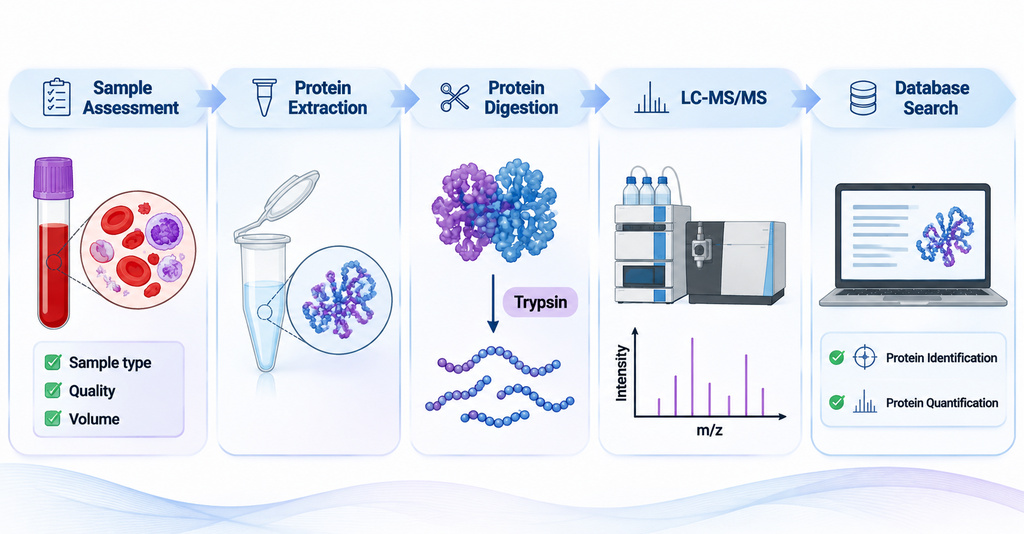
Figure 2. Blood Proteomics Workflow.
Factors Affecting Blood Proteomics Results
Protein abundance distributions, sample condition, collection and processing procedures, and biological differences in blood samples can all affect protein detection and quantification. The following factors warrant attention before and after analysis:
|
Factor |
Key Considerations |
|
Protein Abundance and Sample Matrix |
Protein abundance spans a wide range in plasma and serum, and high-abundance proteins may affect the detection of low-abundance proteins. Routine magnetic bead-based pretreatment can help improve low-abundance protein detection but is not equivalent to dedicated high-abundance protein depletion. Dedicated depletion requires separate evaluation. |
|
Sample Condition |
Slightly pink samples may be tested with the risk noted. Samples with obvious red or dark red hemolysis should be recollected. Marked lipemia, dark yellow or yellow-brown samples, obvious clots, and severe protein degradation may also affect results and should be evaluated based on sample condition. |
|
Collection and Storage Differences |
Anticoagulants, processing time after blood collection, separation methods, storage duration, and the number of freeze-thaw cycles may introduce preanalytical differences. Sample handling should be as consistent as possible across groups. |
|
Biological and Technical Variation |
Individual differences, disease or treatment status, sample pretreatment, and analytical batches may all affect quantitative results. Quality can be assessed using BCA, SDS-PAGE, sample correlation, and PCA information. |
For more information on how sample quality, preanalytical factors, biological variation, and technical batches affect protein detection and quantification, and how QC information can be used to assess result reliability, see Challenges in Blood Proteomics Analysis.
Applications
1. Disease-Related Research and Cohort Comparisons
Compare protein expression profiles across disease states, phenotypes, or study cohorts to identify candidate proteins associated with study conditions.
2. Drug and Experimental Intervention Responses
Compare changes in relative protein abundance before and after treatment or between intervention groups to examine molecular responses associated with drugs, stimuli, or other experimental conditions.
3. Immune and Inflammatory Research
Combine information from circulating proteins and blood cell-associated proteins to examine immune activation, inflammatory responses, and related cell-state changes.
4. Candidate Protein Discovery and Multi-Omics Research
Identify candidates for further study from differentially abundant proteins and functional association results, and conduct integrated analyses with metabolomics or lipidomics data based on study objectives.
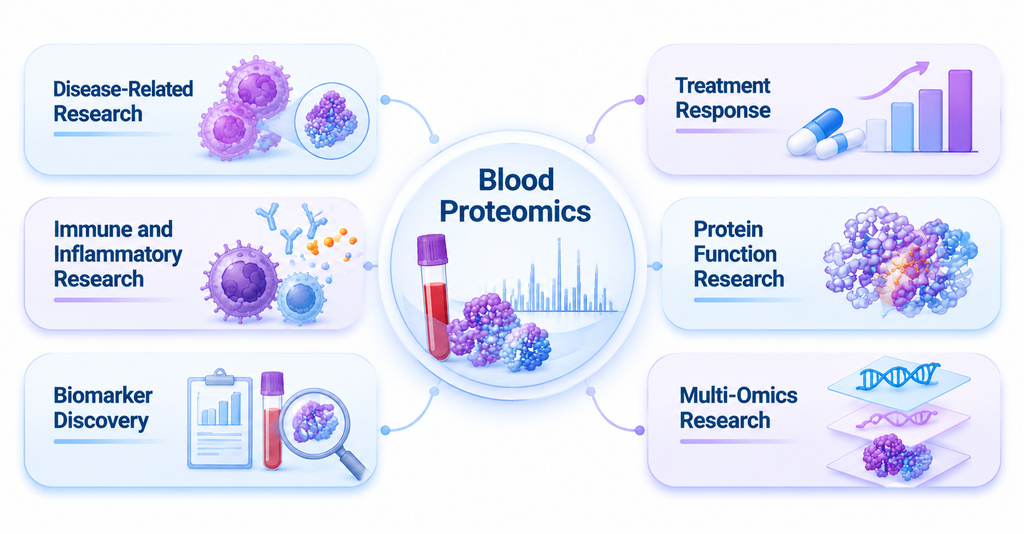
Figure 3. Blood Proteomics Research Applications.
Frequently Asked Questions
1. Can a custom FASTA database be used for blood proteomics?
Yes. MtoZ Biolabs accepts customer-provided FASTA files for searches against custom databases. GO, KEGG, Reactome, and PPI functional analyses are not included by default when a customer-provided custom database is used; these requirements should be clarified during project discussions.
2. Is TMT suitable for large-cohort blood proteomics studies?
TMT can be used for blood proteomics and is more suitable for projects with smaller sample sizes (fewer than 16 samples). Large-cohort studies are constrained by the number of TMT labels, so DIA quantification is generally recommended.
3. Can PRM be used to verify candidate proteins?
Yes. A PRM targeted verification workflow can be evaluated for candidate proteins identified through discovery proteomics. Project assessment requires target protein information, sample type, and available sample quantity to determine suitability.
4. Can blood proteomics be combined with metabolomics or lipidomics?
Integrated analysis of serum or plasma proteomics with metabolomics or lipidomics can be evaluated based on study objectives. Study design should specify the samples, groups, and primary research questions corresponding to each omics dataset.
Conclusion
Blood proteomics systematically analyzes plasma, serum, and blood cell-derived samples, providing protein-level information for research into disease-related changes, responses to experimental interventions, and immune activity. Clearly defining sample types, sample preparation methods, and primary comparisons helps generate proteomics data aligned with study objectives.
MtoZ Biolabs provides proteomics analysis of plasma, serum, and suitable blood cell components. To learn about blood proteomics services, see Blood Proteomics Service. For projects specifically using plasma or serum, see Plasma Proteomics Analysis Service and Serum Proteomics Analysis Service, respectively, for the corresponding specialized services.
