



How to Design Blood Proteomics Studies
Blood samples contain proteins that reflect physiological conditions, disease status, exposures, and interventions. In a comparative proteomics study, the observed protein profile may also vary with cohort composition, sampling schedules, and specimen characteristics. Defining the biological contrast at the planning stage gives the study a clear basis for sample allocation and interpretation.
Define Research Objectives and Hypotheses
1. Define the Primary Research Question
Begin with the biological difference that the study is intended to examine. Examples include comparing protein abundance between treated and untreated groups, assessing changes before and after an intervention, or tracking a response across defined time points. State the main comparison in terms of the biological groups or observations included in the analysis.
2. Separate Primary and Exploratory Objectives
Identify one primary comparison to guide sample allocation and interpretation. Subgroup comparisons, secondary time points, and additional protein patterns can be retained as exploratory objectives. This distinction helps keep the study focused when sample availability or study scale limits the number of comparisons that can be examined in depth.
Choose the Appropriate Study Design
Study structure depends on whether samples come from different biological units or are linked within the same subject. Independent-group, paired, repeated-measures, and longitudinal designs describe different sample relationships. The design labels can overlap: paired design identifies linked observations, repeated-measures design describes multiple observations from one subject, and longitudinal design emphasizes repeated observations across time.
|
Design |
Sample relationship |
Typical research question |
Key design consideration |
|
Independent-group |
Different subjects or experimental units |
Do two biological conditions differ? |
Keep major study variables comparable between groups. |
|
Paired |
Two linked samples from the same subject |
What changes before and after an intervention? |
Retain the subject-level pairing. |
|
Repeated-measures |
Multiple observations from the same subject across conditions |
How does the same subject respond across conditions? |
Retain within-subject relationships. |
|
Longitudinal |
Repeated observations from the same subject at predefined time points |
How does protein abundance change over time? |
Preserve subject ID, time order, and sampling schedule. |
1. Retain Paired and Longitudinal Relationships
Samples from the same subject are linked observations. Keep baseline and post-treatment samples paired, and retain subject IDs and time points for longitudinal samples. These identifiers allow downstream analysis to assess within-subject changes alongside differences between subjects.
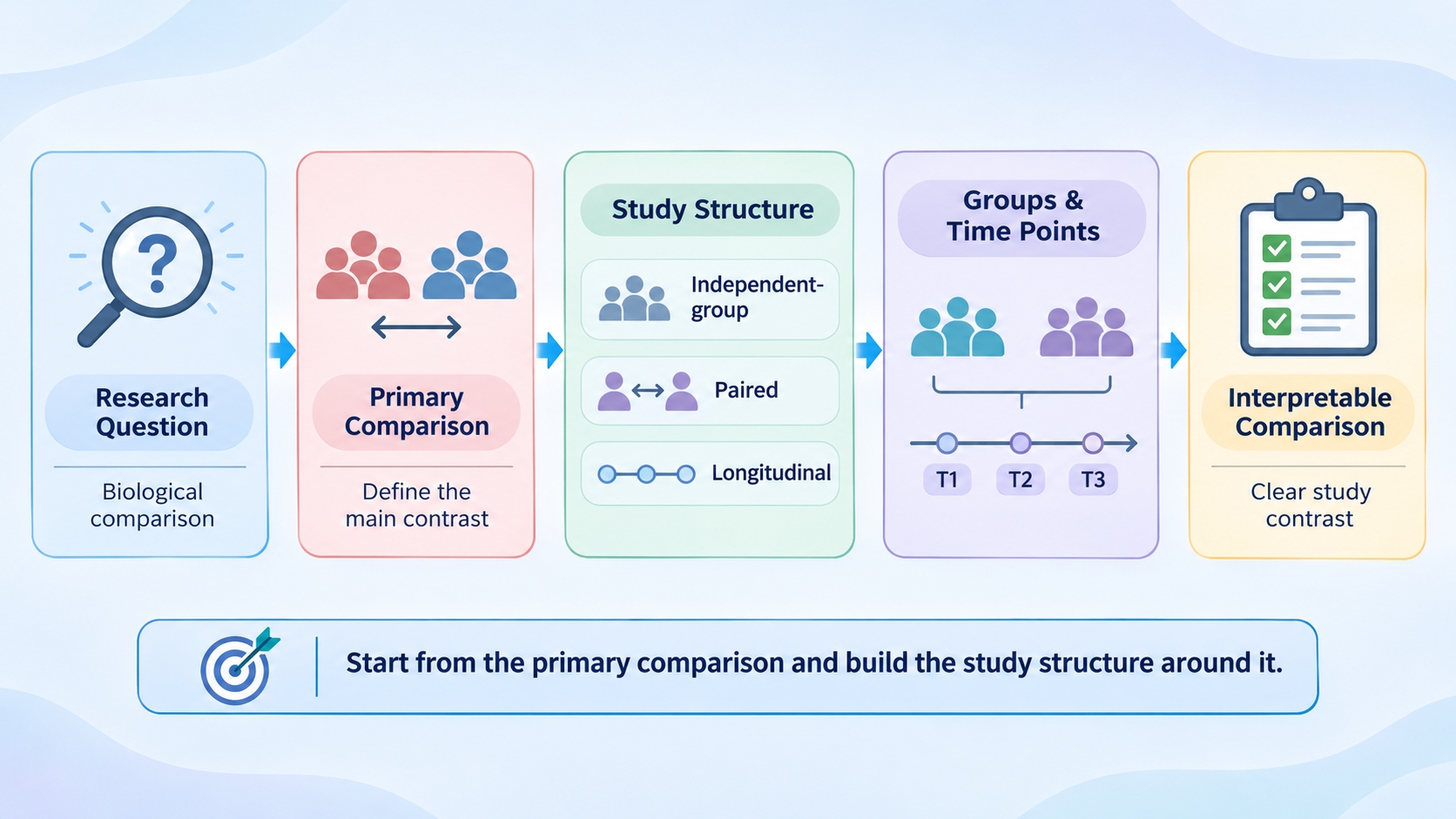
Figure 1. From research question to interpretable comparison in blood proteomics study design.
Set Experimental Groups, Controls, and Sampling Time Points
1. Define the Control Group
The control condition should match the research question. A treatment study may use an untreated group, while a paired intervention study may use each subject's baseline sample as the reference. Groups should differ mainly in the factor being examined. Random allocation is commonly used in controlled experimental designs; clinical cohorts and retrospective collections are generally organized around existing group definitions.
2. Choose Sampling Time Points
Sampling time points should capture the biological changes under study. Baseline, early response, later response, and recovery points are useful when each supports a predefined comparison. Keep sampling schedules comparable across subjects in paired and longitudinal studies, because systematic timing differences can become associated with the biological factor of interest.
3. Identify Potential Confounders
Treatment status, disease state, time point, cohort source, age, and sex may influence the interpretation of a protein comparison. Review how these variables are distributed across study groups. For example, when treated samples come mainly from one cohort and control samples from another, cohort and treatment effects become difficult to distinguish. Identify such patterns during study planning.
Determine Biological Replicates and Sample Size
1. Distinguish Biological From Technical Replicates
(1) Biological Replicates
A biological replicate represents an independent biological unit, such as a different participant, animal, or independently derived experimental sample. These independent units provide the information needed to estimate biological variability within a group.
(2) Technical Replicates
Repeated preparation or LC-MS/MS measurement of the same biological material evaluates analytical variation but does not add another independent biological observation. Three measurements from one specimen therefore remain one biological replicate.
2. Plan Sample Size Around Independent Biological Units
As a practical design reference for MtoZ blood proteomics projects, at least three independent biological replicates per group are recommended. For animal studies, the current reference is 6–10 animals per group. These values are design guidance rather than universal acceptance thresholds.
The appropriate sample number also depends on biological variability, study structure, the number of primary comparisons, and whether the samples are independent or paired. More independent biological units improve characterization of within-group variability; additional technical measurements cannot compensate for insufficient biological replication.
3. Interpret Studies with Two Biological Replicates per Group
Projects with two biological replicates per group can still be analyzed through the current multi-replicate differential-analysis workflow, with t-test P values and fold changes reported. The smaller replicate number provides less information about within-group variability, so results should be interpreted in the context of the study design, biological variation, and the primary comparison.
Ensure Sample Comparability and Record Key Variables
Comparability depends on both the biological material being compared and the variables that differ among samples.
Keep the Sample Matrix Consistent
For a primary quantitative comparison, use one defined blood-derived matrix, such as plasma, serum, PBMCs, or a specified blood-cell fraction. Each matrix represents a distinct biological material and contributes its own protein profile. For guidance on choosing between serum and plasma, see Serum vs Plasma Proteomics: Key Differences and Sample Selection.
Record Key Variables
- Biological and study variables: age, sex, treatment condition, experimental group, sampling time, and cohort source.
- Sample relationships: subject IDs and the links between paired or longitudinal specimens.
- Preanalytical variables: anticoagulant type, collection time, processing interval, and freeze–thaw history.
- Cell-related information: available cell counts or cell-composition data for PBMC and blood-cell studies.
Collection and handling details are covered in Blood Proteomics Sample Collection, Processing, and Storage.
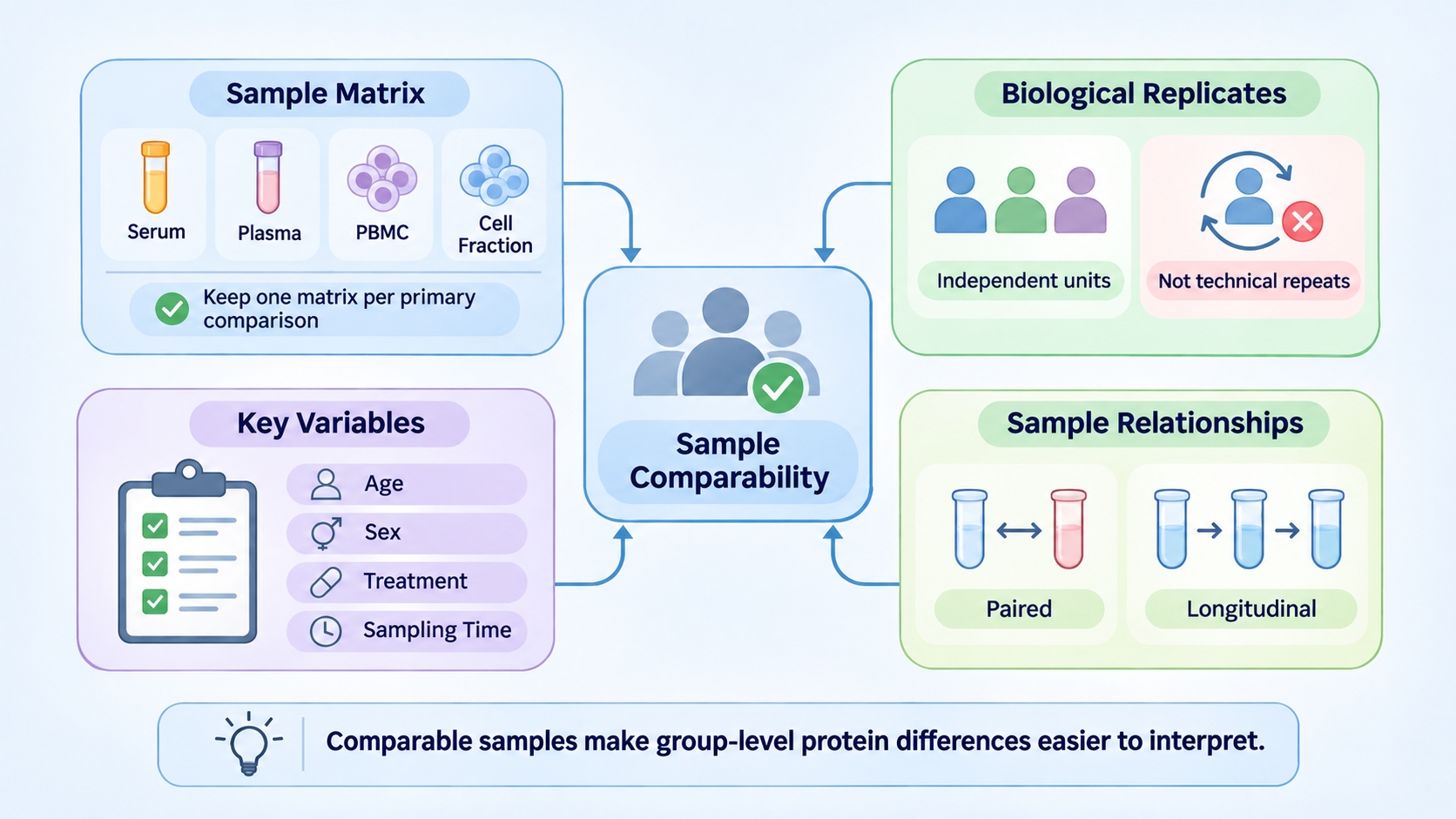
Figure 2. Key factors affecting sample comparability in blood proteomics studies.
Randomize Samples and Balance Processing Batches
1. Randomize Processing and LC-MS/MS Order
Plan sample-processing and LC-MS/MS acquisition order before analysis. Where project structure permits, distribute biological groups across the processing and acquisition sequence so that sample order reflects a planned allocation rather than group labels or sample arrival. Randomized allocation is particularly useful when several study groups are handled within the same project.
2. Balance Experimental Groups Across Batches
When processing or acquisition spans multiple batches, include samples from each relevant study group in each batch where feasible. For paired or longitudinal studies, keep linked samples in the same batch when practical. If linked samples need to be processed in different batches, retain the sample relationships and balance groups and time points across the batches.
3. Use QC Samples to Monitor Analytical Stability
QC samples can be incorporated into the analytical sequence to monitor consistency across acquisition periods. QC monitoring provides information about analytical stability, while balanced sample allocation helps keep batch structure separate from the biological comparison. For interpretation of QC evidence and batch effects after data generation, see Challenges in Blood Proteomics Analysis.
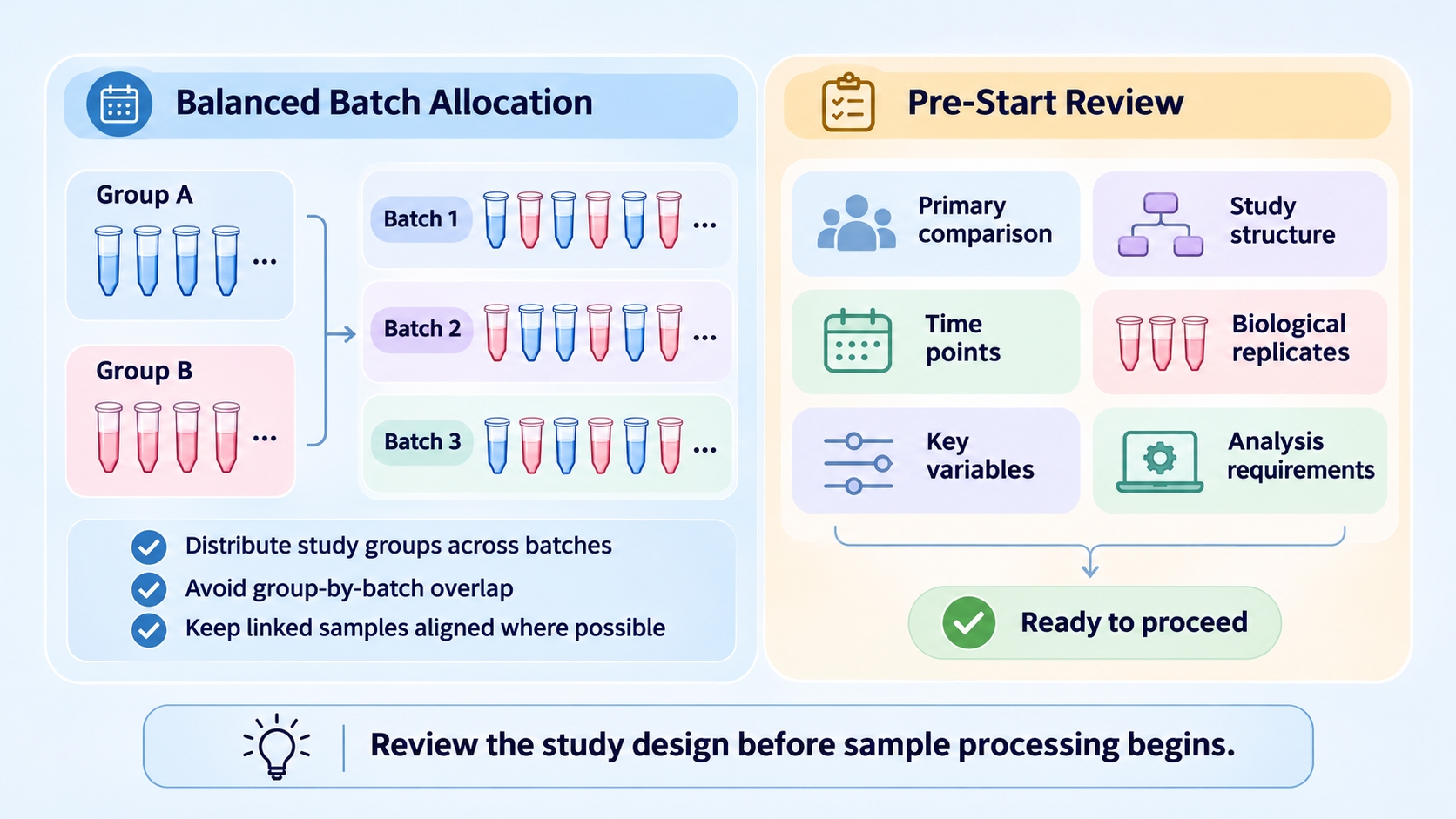
Figure 3. Balanced batch allocation and pre-start review in blood proteomics study design.
Check Study Feasibility and Analysis Requirements
1. Review the Study Structure
Before starting, confirm that all required groups and time points are represented, paired or longitudinal relationships are retained, and biological replication suits the primary comparison. Review matrix consistency and key variables alongside sample availability. A feasible design is one in which the planned samples and comparisons directly address the primary research question.
2. Align the Analysis Plan
Specify the primary comparison, any secondary comparisons, and the protein-level outputs needed to address the research objective. Keep paired and longitudinal identifiers available for downstream analysis. If selected protein findings will be followed by independent validation, include the validation objective in the initial plan. The analytical strategy can then be discussed in relation to sample type, study scale, comparison structure, and required outputs.
Review the Study Design Before Starting
Before sample processing, confirm that the study can be traced from the research question to the planned comparison:
- Research objective and primary comparison: Are both clearly defined?
- Study structure: Are independent, paired, repeated-measures, or longitudinal relationships represented correctly?
- Groups, controls, and time points: Do they capture the intended biological contrast?
- Biological replication: Are independent biological units distinguished from technical repeats?
- Sample matrix: Is the same blood-derived matrix used within the primary comparison?
- Key variables: Are relevant biological and preanalytical variables recorded?
- Batch allocation: Are study groups distributed across processing and analytical batches where feasible?
- Analysis requirements: Will the planned comparison and outputs address the primary research question?
Once the study design is finalized, review the corresponding collection, processing, storage, and shipping requirements in Blood Proteomics Sample Collection, Processing, and Storage.
Frequently Asked Questions
1. Can one study include both paired and independent comparisons?
Yes. Both structures can be included if the sample relationships and corresponding comparisons are defined before analysis. Paired samples must retain their within-subject relationship, while independent samples remain separate biological observations.
2. Can samples from different cohorts be combined in one comparative study?
Potentially, but cohort origin should not be completely confounded with the biological groups being compared. Matrix, subject characteristics, treatment background, sampling schedule, and relevant preanalytical variables should be reviewed before defining a shared comparison.
3. How should several research questions be handled within the same study?
Define one primary comparison, or a limited set of primary comparisons, before analysis. Additional subgroup or time-point questions can remain exploratory so that the study structure is not fragmented across numerous post hoc contrasts.
4. What should be done if the available samples do not fully match the planned design?
Reassess whether the available groups, biological replicates, sample relationships, matrix, and key variables still support the primary comparison. If a critical group or paired sample is missing, narrowing the research objective is preferable to assuming that the original question can still be answered unchanged.
Conclusion
A blood proteomics study is most interpretable when the primary comparison is defined before samples are allocated and remains consistent through group assignment, biological replication, sample selection, and batch planning. Study design should make the biological contrast clear while preventing avoidable differences between groups from becoming alternative explanations for the observed protein changes.
For the broader blood proteomics research pathway, see Understanding Blood Proteomics and Its Applications in Research. For projects with a defined sample type, study groups, replicate numbers, sampling structure, and primary comparison, MtoZ Biolabs provides Blood Proteomics Service for project-specific study and analysis planning.
