



Blood Proteomics Sample Collection, Processing, and Storage
Sample preparation is an important part of blood proteomics because collection and handling conditions can affect protein recovery and stability. Changes introduced before analysis may influence protein identification and quantitative measurements. Blood-derived materials also vary in composition and form: plasma and serum are liquid fractions, while PBMCs and other blood-cell populations are submitted as cell pellets. Understanding the requirements for each material helps researchers prepare samples that are suitable for the intended study.
This guide covers the blood-derived sample types used in proteomics, the input required for different workflows, and the main considerations for collection, separation, storage, and shipment. The focus is on preparing samples before laboratory analysis.
Blood-Derived Sample Types and Submission Forms
1. Plasma and Serum
Plasma and serum are submitted as separated liquid fractions. Plasma is collected from anticoagulated blood, whereas serum is obtained after clot formation. Both sample types can be used for blood proteomics. When a study can prepare either material, plasma is the recommended option. For a detailed discussion of the differences between the two sample types, see Serum vs Plasma Proteomics: Key Differences and Sample Selection.
2. PBMCs and Peripheral Blood Cells
PBMCs and peripheral blood cells are submitted as cell pellets. Peripheral blood cell samples should be prepared as white blood cell pellets. The sample record should identify the material as PBMCs or peripheral blood cells so that the submitted fraction is clear during project planning and data interpretation.
3. Sorted Blood-Cell Subsets
Blood-cell subsets isolated by magnetic-bead sorting or flow sorting can be submitted as sorted cell pellets. Cell sorting should be completed before proteomics submission. The cell-subset name and sorting method should accompany the sample information.
4. Whole Blood
For proteomics analysis, whole blood is first separated into plasma, serum, PBMCs, or another defined cellular fraction. The separated liquid fraction or prepared cell pellet is then submitted according to the intended research target.
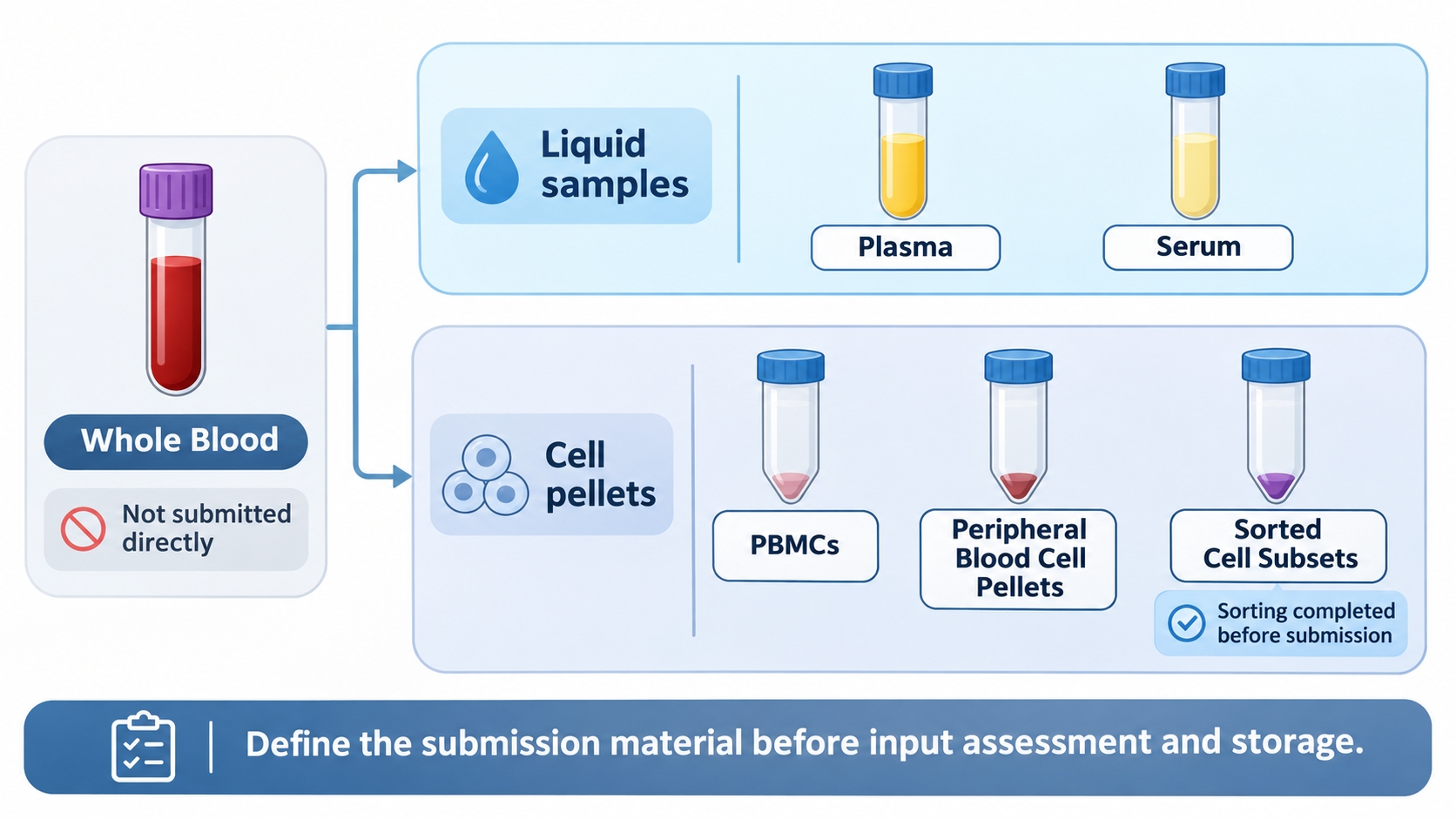
Figure 1. Blood-derived sample forms for proteomics submission.
How Much Sample Is Needed for Blood Proteomics?
The required input depends on the sample material and analytical objective. Liquid samples are measured by volume, while PBMCs and other blood-cell samples are measured by recovered cell number. PTM profiling and PRM validation also have their own input requirements.
|
Sample type / workflow |
Minimum input |
Recommended input / notes |
|
Serum / plasma — routine or deep proteomics |
15 μL |
20–50 μL |
|
Serum / plasma — low-input proteomics |
10 μL |
Dedicated low-input workflow |
|
PBMCs / blood-cell subsets — routine proteomics |
5 × 10⁶ cells |
1 × 10⁷ cells |
|
Low-input cell proteomics |
Approximately 1,000 cells |
Project-specific assessment |
|
Serum / plasma — PTM profiling |
≥200 μL |
If planning from whole blood, collect at least 2 mL whole blood. |
|
PRM targeted validation |
20–50 μL; ≥50 μg protein |
50–100 μL; 100 μg protein |
Input Considerations
- Routine serum/plasma proteomics uses magnetic-bead pretreatment to improve the detection of low-abundance proteins. Projects that specifically require high-abundance protein depletion can be discussed individually.
- The 10 μL serum/plasma option follows a low-input workflow. The available material may affect protein identification depth and quantitative stability, so the amount should be considered when defining the study objective.
- Routine PBMC and blood-cell proteomics is planned around the recovered cell number. Projects with approximately 1,000 cells require an individual feasibility assessment, because limited cellular input can affect identification depth and quantitative measurements.
- The PTM input listed above applies to serum/plasma unless the project specifically targets blood cells. PRM volume and protein input should be considered together when preparing samples for targeted validation.
Blood Sample Collection and Separation
Collection procedures differ for plasma, serum, and cellular samples. Use the collection method that matches the material required for the study, and record the collection and separation conditions for each sample.
1. Plasma Collection
- EDTA anticoagulant tubes (purple-top) are recommended because EDTA has minimal interference with downstream protein digestion and mass spectrometry. Heparin- and sodium citrate-anticoagulated samples can also be used.
- Gently invert the collection tube 8–10 times after blood collection to mix the anticoagulant and reduce clot formation.
- Process the sample as soon as possible after collection.
- Centrifuge at 4°C and 1,500–2,000 × g for 10–15 minutes.
2. Serum Collection
- Use a plain serum tube without anticoagulant, or a tube containing a clot activator or gel separator. EDTA-, heparin-, and citrate-anticoagulated tubes are used to prepare plasma rather than serum.
- Allow the blood to clot at room temperature for 30–60 minutes. A temperature of 37°C can be used to accelerate clot formation.
- Centrifuge at 4°C and 1,500–2,000 × g for 10–15 minutes.
- Transfer the clear, pale-yellow serum promptly after centrifugation. Avoid leaving separated serum in contact with the clot for an extended period.
3. PBMC and Blood-Cell Preparation
- Isolate PBMCs by density-gradient centrifugation, such as Ficoll separation.
- Wash the PBMC fraction with PBS two to three times and collect the cells as a pellet.
- Prepare peripheral blood cells as white blood cell pellets. Submit magnetic-bead- or flow-sorted blood-cell subsets as their corresponding cell pellets.
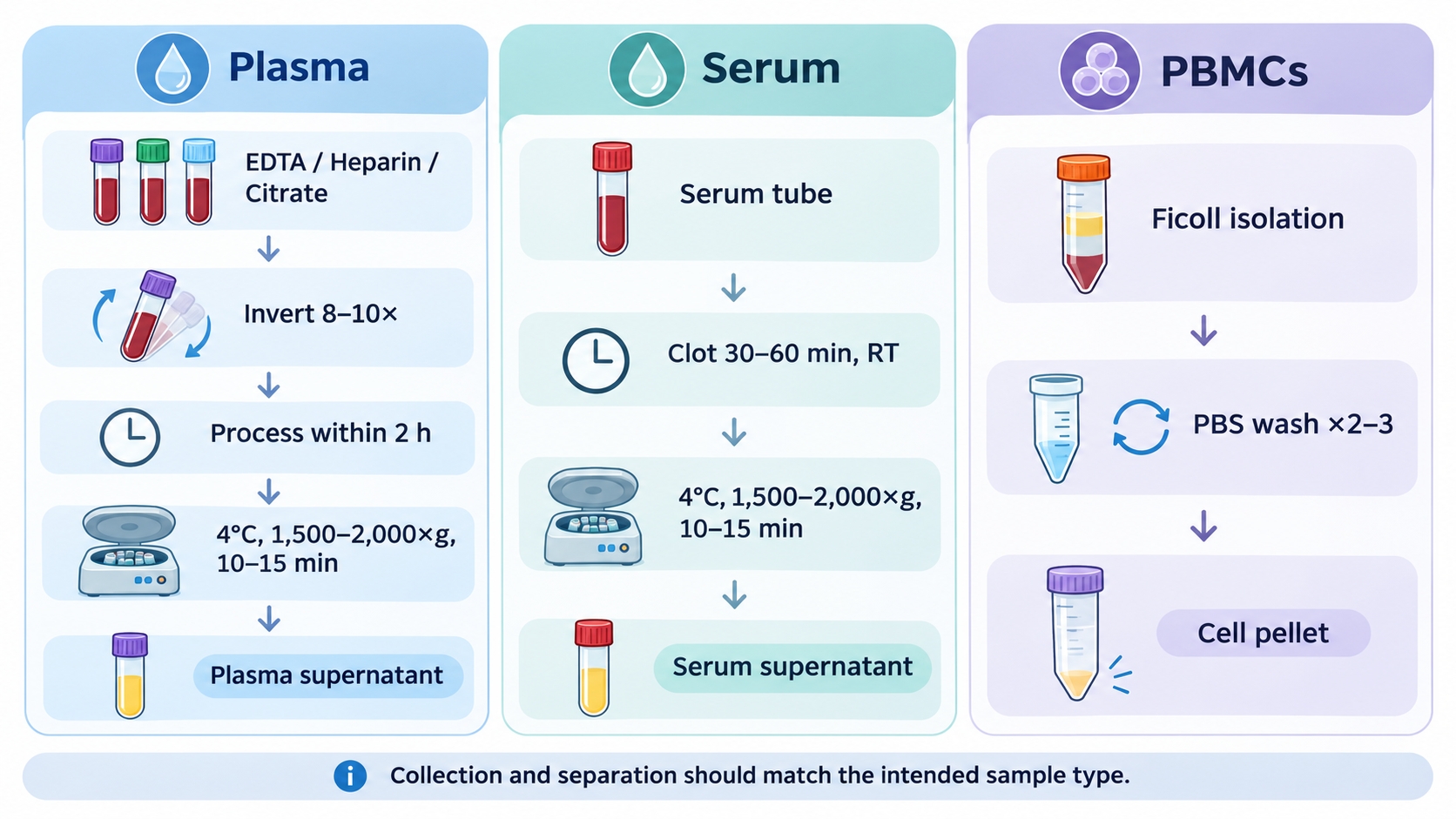
Figure 2. Collection and separation workflows for plasma, serum, and PBMC samples.
Sample Storage and Shipping Requirements
1. Serum and Plasma Storage and Shipping
- Aliquot serum or plasma at approximately 100–200 μL per tube.
- Store samples at −80°C.
- Ship frozen serum/plasma on dry ice.
- Frozen storage is recommended not to exceed 6 months before analysis.
- Freeze–thaw cycles should not exceed two, and previous thawing should be recorded.
For serum, the confirmed preparation workflow also includes a 10-minute liquid-nitrogen snap-freezing step before transfer to −80°C storage.
2. PBMC and Blood Cell Pellet Storage
PBMCs and other blood cell pellets are handled as cellular samples rather than by serum/plasma volume-based rules. Prepared cell pellets are snap-frozen in liquid nitrogen for 10 minutes and stored at −80°C. The serum/plasma six-month storage recommendation and two-cycle freeze–thaw limit should not be applied automatically to cellular samples.
For the effects of hemolysis, lipemia, freeze–thaw history, and other preanalytical factors on protein detection and quantitative reliability, see Challenges in Blood Proteomics Analysis.
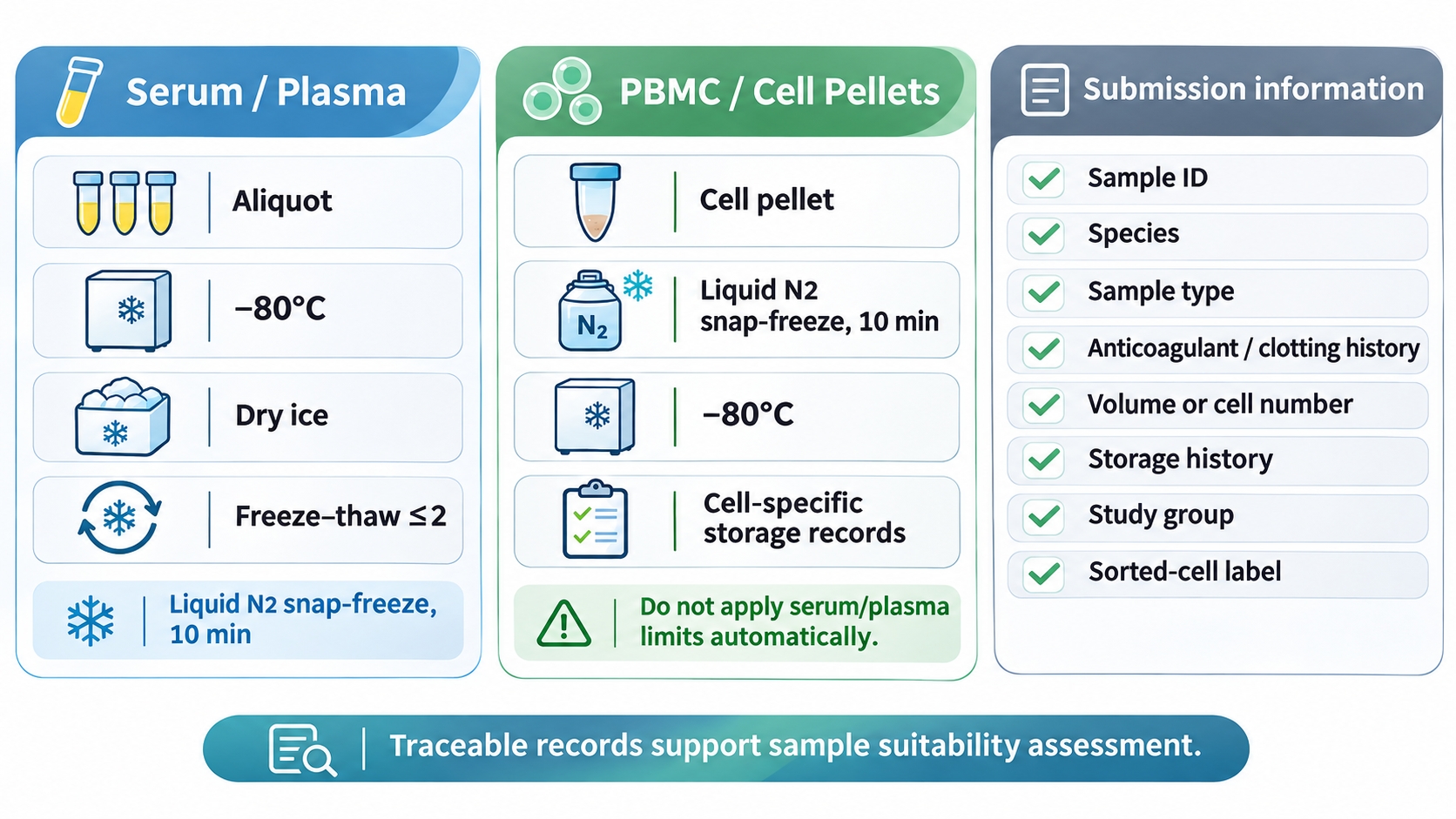
Figure 3. Storage, shipping, and submission information for blood proteomics samples.
Sample Information to Include with a Blood Proteomics Submission
|
Information category |
Information to provide |
|
Sample identification |
Unique sample ID and species |
|
Submitted material |
Plasma, serum, PBMC pellet, peripheral blood cell pellet, or sorted cell subset |
|
Collection |
Collection tube, anticoagulant if applicable, collection time |
|
Processing |
Separation time and relevant preparation information |
|
Available input |
Serum/plasma volume, protein amount if available, or cell number |
|
Storage |
Freezing date, storage history, known freeze–thaw events |
|
Study context |
Experimental group and relevant disease, treatment, or drug-exposure background |
|
Sorted cell samples |
Cell subset name and sorting method |
The sample manifest should match the labels on the submitted tubes or pellets exactly. After sample submission, the Blood Proteomics Workflow from Protein Extraction to LC-MS/MS Analysis explains how accepted samples proceed through laboratory processing and data generation.
Special Sample Considerations
1. Disease-Associated and Treatment Samples
Disease-associated samples, drug-treated samples, immune-cell samples, and clinical cohort specimens can be used in blood proteomics projects. Provide the sample source and relevant study background when discussing the project so that the sample type and analytical objective can be considered together.
2. High-Risk Infectious Samples
Samples associated with high viral or bacterial infection risks should be discussed before shipment. Inactivation before shipment and compliant inactivation documentation are required for high-risk materials.
For a focused discussion of how hemolysis, lipemia, jaundice, and other sample-quality factors affect protein detection, see Challenges in Blood Proteomics Analysis.
Frequently Asked Questions
1. Which Animal Species Can Be Analyzed?
Blood samples from humans, mice, rats, cattle (including calves, young cattle, and adults), horses, pigs, rabbits, goats, sheep, dogs, cats, and chickens can be analyzed. The exact species should be listed in the sample manifest.
2. Can Blood Samples from Non-Model Species Be Analyzed?
Yes. Routine database searches can use a protein database from the same species or a closely related species. Providing the exact species name helps identify the most appropriate database for the analysis.
3. Can Different Anticoagulants Be Used within One Study?
EDTA-, heparin-, and sodium citrate-anticoagulated plasma can be used. Record the anticoagulant for every sample, especially when collection conditions differ between study groups. Consistent collection conditions make comparisons easier to interpret.
4. Can Serum Be Collected in a Tube Other Than a Plain Serum Tube?
Tubes containing a clot activator or gel separator can also be used. For other collection-tube types, discuss the tube material and additives before sample collection so that the preparation method can be matched to the intended serum sample.
Conclusion
Blood proteomics sample preparation begins with defining the material that will be submitted. Plasma and serum are provided as separated liquid fractions, while PBMCs and other accepted blood cell samples are submitted as cell pellets. Input requirements, collection and separation procedures, storage conditions, and accompanying records should then be matched to the selected sample type.
For a broader overview of blood-derived sample types, proteomic analysis strategies, and research applications, see Understanding Blood Proteomics and Its Applications in Research. For projects with defined samples and research objectives, the Blood Proteomics Service can be used to confirm sample suitability and project-specific requirements. Projects focused specifically on plasma or serum can also refer to the corresponding Plasma Proteomics Analysis Service or Serum Proteomics Service. MtoZ Biolabs can evaluate the submitted material together with its collection, storage, and study information before analysis.
