

Blood Proteomics Workflow from Protein Extraction to LC-MS/MS Analysis
After receiving blood-derived samples, researchers often need to decide how each sample should be processed and which proteomics workflow best fits the study. Plasma, serum, PBMCs, peripheral blood leukocyte pellets, and sorted blood-cell subsets differ in protein composition and matrix background. The choice of sample preparation and analytical workflow influences protein recovery, peptide yield, identification depth, and the consistency of relative quantification across samples.
Workflow selection connects the submitted material and research objective with protein extraction, digestion, LC-MS/MS acquisition, and data processing. The following sections trace the laboratory sequence from sample receipt to protein-level results, highlighting the different preparation routes for liquid fractions and cell pellets.
Sample Receipt and Input Assessment
Before protein extraction, the laboratory checks sample identifiers and the submitted material against the accompanying sample information. The sample form determines the appropriate preparation route and helps prevent liquid samples and cellular materials from entering the wrong workflow.
|
Blood-derived material |
Submission form and laboratory entry route |
|
Plasma or serum |
Submitted as a separated liquid fraction for plasma/serum protein preparation. |
|
PBMCs or peripheral blood leukocytes |
Submitted as cell pellets for cellular protein extraction. |
|
Sorted blood-cell subsets |
Submitted as cell pellets after magnetic-bead or flow-cytometric sorting. |
|
Whole blood |
Separate into plasma, serum, or an appropriate cellular fraction before submission. |
|
Other blood-derived materials |
Suitability can be assessed individually before submission. |
Sample labels and accompanying records should identify the submitted material accurately. Any difference between the recorded sample type and the received material is clarified before processing. For collection, separation, storage, and shipping guidance, see Blood Proteomics Sample Collection, Processing, and Storage. Study groups and replicate planning are covered in Designing Blood Proteomics Studies: Groups, Replicates, and Comparisons.
Protein Extraction
Protein extraction follows different routes for liquid blood fractions and cellular samples. The objective is to recover proteins in a form suitable for protein quantification, quality assessment, and enzymatic digestion.
1. Plasma and Serum Preparation
Routine plasma and serum preparation uses magnetic-bead-based processing to improve the detection of lower-abundance proteins. Projects that require dedicated high-abundance protein depletion can be assessed individually.
2. Protein Extraction from Blood-Cell Pellets
PBMC pellets, peripheral blood leukocyte pellets, and previously sorted blood-cell subset pellets enter a cellular protein-extraction workflow. Cellular proteins are released from the submitted material and recovered for downstream protein assessment and digestion. For sorted subsets, the cells are sorted before submission and supplied as a pellet.
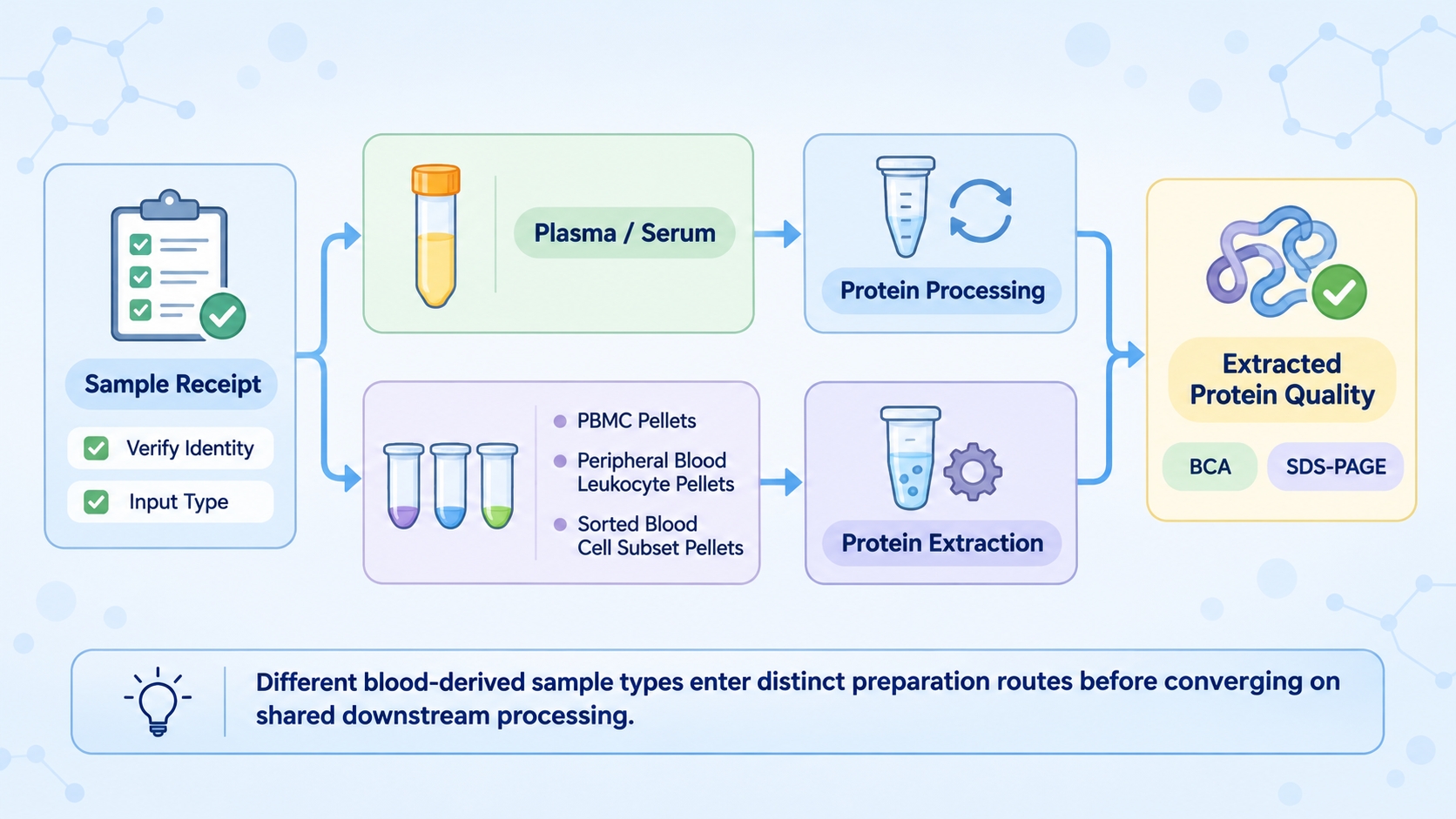
Figure 1. Blood-derived sample types enter distinct preparation routes before shared downstream processing.
Protein Quantification and Quality Control
After extraction, the recovered protein preparation is assessed before digestion. BCA protein quantification measures the amount of recovered protein, while SDS-PAGE provides a visual overview of the protein band pattern. The two methods provide complementary information about the protein preparation.
- SDS-PAGE: displays the overall protein band distribution and provides a visual assessment of the extracted protein profile.
The protein quality-control report includes BCA quantification and SDS-PAGE results. Interpretation of sample-quality variation and data-level QC evidence is discussed in Challenges in Blood Proteomics Analysis.
Protein Digestion and Peptide Preparation
Protein digestion converts extracted proteins into peptides suitable for liquid-chromatographic separation and tandem mass spectrometric analysis. The preparation sequence includes denaturation, reduction and alkylation, enzymatic digestion, and peptide cleanup.
1. Denaturation, Reduction, and Alkylation
Denaturation unfolds protein structures and improves access to the polypeptide chains. Reduction breaks disulfide bonds, and alkylation stabilizes the resulting cysteine residues. These treatments prepare proteins for enzymatic digestion.
2. Enzymatic Digestion
Proteolytic enzymes cleave proteins into peptides. The resulting peptide sequences provide the basis for mass spectrometric detection and database matching. Peptide composition is therefore a key link between the extracted protein mixture and the protein identifications generated from LC-MS/MS data.
3. Peptide Cleanup
After digestion, the peptide mixture is cleaned to reduce residual components from protein processing that may interfere with LC-MS/MS. The prepared peptides then proceed to chromatographic separation and mass spectrometric acquisition.
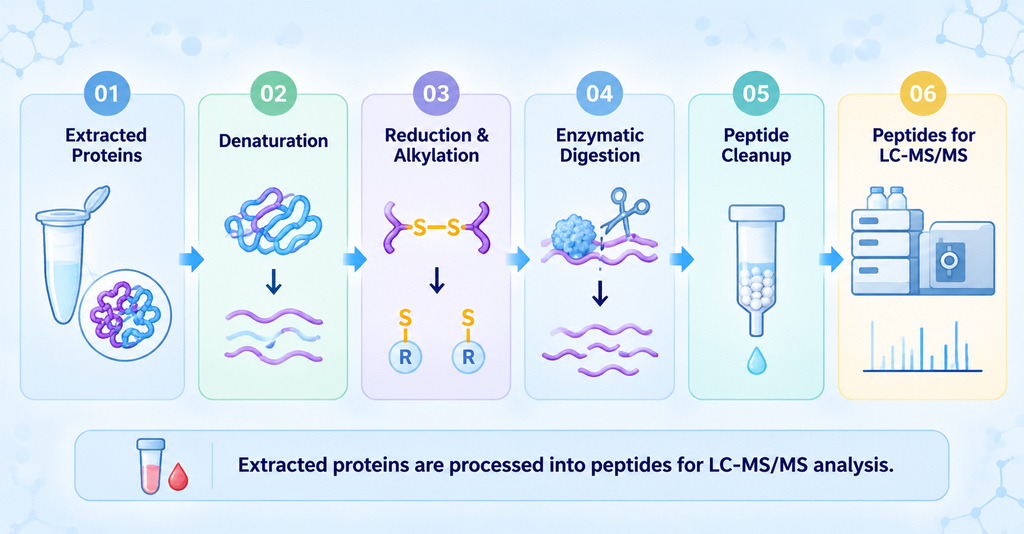
Figure 2. Protein Quality Assessment and Peptide Preparation for LC-MS/MS Analysis.
LC-MS/MS Analysis
1. Peptide Separation and Tandem Mass Spectrometry
Liquid chromatography separates peptides before they enter the mass spectrometer. MS acquisition records precursor-ion information, while MS/MS fragmentation generates sequence-related fragment-ion spectra that can subsequently be matched to peptide sequences. Routine bottom-up proteomics therefore derives protein-level results from peptide-level evidence rather than directly measuring intact proteins.
2. DIA, 4D-DIA, DDA, and Label-Free Workflows
DIA and 4D-DIA are the primary quantitative proteomics routes for blood samples. DDA and label-free quantification are also supported. The main distinctions are summarized below:
- DIA: acquires fragment-ion information across defined precursor ranges and supports broad relative protein quantification.
- 4D-DIA: adds ion mobility as an additional separation dimension while retaining the overall DIA workflow.
- DDA: acquires MS/MS spectra through precursor selection and is supported for appropriate project designs.
- Label-free analysis: provides relative quantification without an isotopic or isobaric labeling step.
- TMT: peptides are labeled after digestion, quenched, pooled, and fractionated before LC-MS/MS. TMT is available for projects with fewer than 16 cases; DIA is generally recommended for larger cohorts.
The acquisition strategy is selected according to the project requirements. DIA and 4D-DIA are the primary quantitative routes, while DDA, label-free quantification, and TMT are available for suitable project designs.
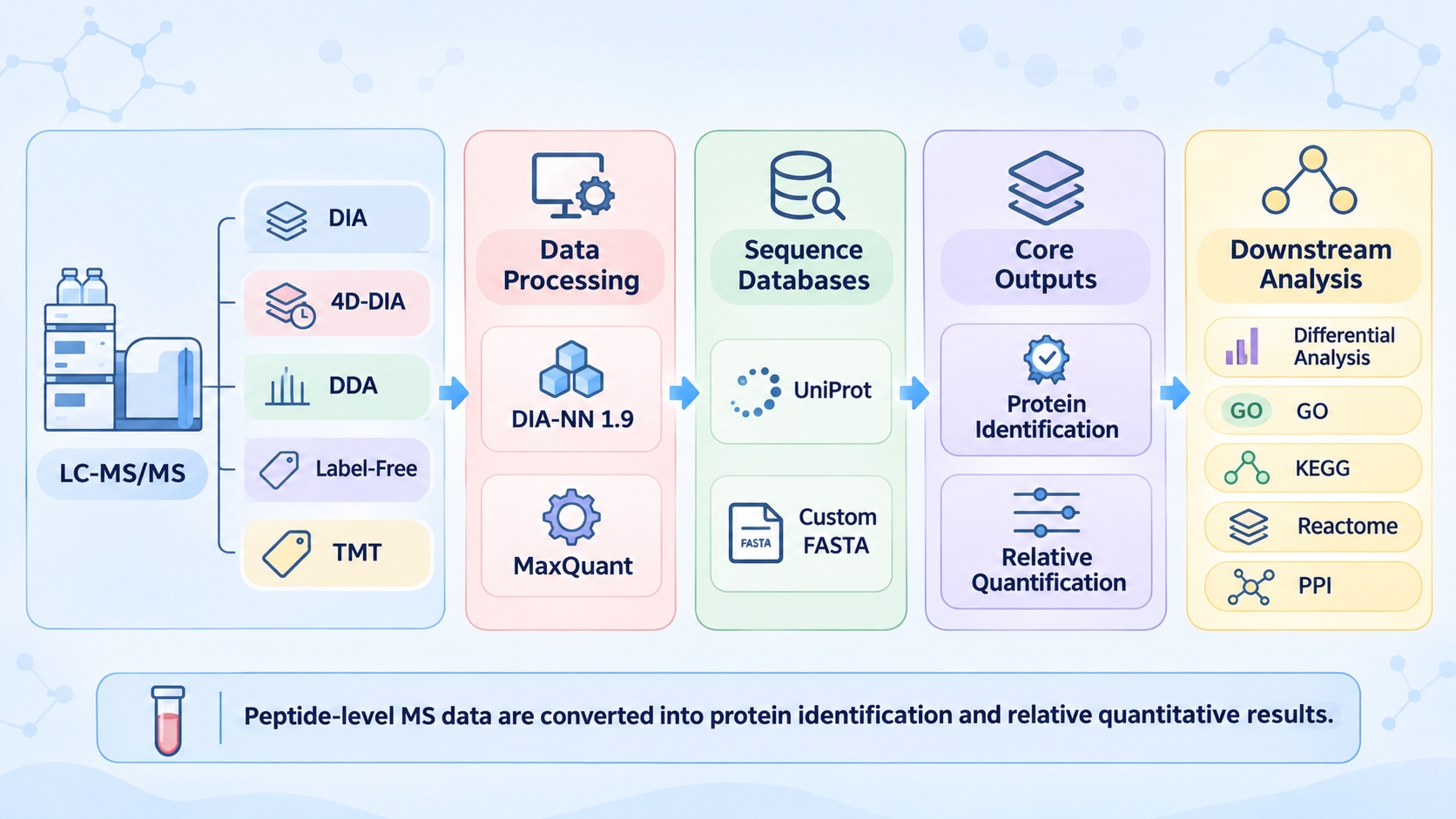
Figure 3. LC-MS/MS data processing generates protein identification and relative quantification results for downstream analysis.
Protein Identification and Quantification
LC-MS/MS generates raw spectral data rather than a finished protein list. Data processing matches peptide evidence to sequence databases and then assembles peptide-level information into protein identification and relative quantification results.
1. Database Search and Peptide Matching
MS/MS-derived peptide evidence is matched against candidate sequences in a protein database. Supported peptide matches are then mapped to proteins, allowing protein-level identifications to be assembled from peptide-level evidence. The resulting protein list records proteins supported by the detected peptides; it is not a direct measurement of intact proteins.
2. Software and Sequence Databases
Data-processing software follows the acquisition route:
- DIA: DIA-NN 1.9
- DDA and TMT: MaxQuant
- Standard species: UniProt reference protein databases can be used for Human, Mouse, Rat, and other supported species.
- Non-model species: available species-specific or closely related protein sequence resources can be used where appropriate.
- Custom database search: client-provided FASTA files can be used; GO, KEGG, Reactome, and PPI analyses are not included by default when annotation mapping is unavailable.
3. Protein Identification and Relative Quantification Outputs
The protein identification list and relative quantitative matrix answer different questions. The identification list shows which proteins are supported by peptide and MS/MS evidence, while the quantitative matrix records protein-associated signal intensities across samples. These intensity values provide a basis for relative abundance comparison. They should not be interpreted as absolute protein concentrations.
For further interpretation of how sample quality, blood matrix characteristics, and technical variation can affect protein detection and quantification, see Challenges in Blood Proteomics Analysis.
From Protein Quantification to Downstream Results
The protein identification list and quantitative matrix provide the basis for downstream bioinformatics analysis. Depending on the project scope, the analysis may include:
- Correlation analysis and principal component analysis (PCA) to summarize relationships and broad patterns in the quantitative dataset.
- Differential protein analysis, including volcano plots and clustered heatmaps, to present abundance differences between defined groups or conditions.
- GO, KEGG, and Reactome analyses to organize selected proteins by functional annotation and pathway association.
- Protein–protein interaction (PPI) analysis to examine known or predicted associations among selected proteins.
Project deliverables may include protein identification and quantification matrices, differential analysis, selected functional or network analyses, BCA and SDS-PAGE quality-control results, raw LC-MS/MS files, and a project report summarizing the workflow, parameters, and findings. The final analysis and deliverable scope is defined for each project.
Frequently Asked Questions
1. What does a protein group mean in a proteomics result?
When detected peptides are shared among related protein sequences, database-search results may report a protein group. The group represents the proteins supported by the available peptide evidence. Protein-specific peptides provide additional evidence for distinguishing individual members.
2. Can a blood proteomics project include PTM profiling?
The blood proteomics service scope includes serum- and plasma-based PTM profiling for modifications such as phosphorylation, glycosylation, acetylation, and ubiquitination. The target modification, sample type, and research objective guide the project discussion.
3. Can PRM be used for targeted follow-up after discovery proteomics?
PRM targeted validation is available as an extension to blood proteomics projects. Selected candidate proteins or peptides can be considered for targeted follow-up, with the target list, sample type, and validation objective guiding the analytical plan.
4. Why retain LC-MS/MS raw files after data processing?
Raw files preserve the original chromatographic and mass-spectrometric acquisition records, including precursor- and fragment-ion information. The records support data traceability and can provide a basis for reprocessing with an updated database or analysis workflow when the required software and inputs are available.
Conclusion
Blood proteomics data are generated through a connected laboratory workflow: sample receipt and quality review, sample-specific protein preparation, extracted-protein quality assessment, digestion and peptide preparation, LC-MS/MS acquisition, and database-based protein identification and relative quantification. Plasma and serum follow a liquid-sample processing route, while PBMC and other confirmed blood-derived cell pellets require cellular protein extraction before the workflows converge at downstream protein preparation.
For a broader overview of blood proteomics research and applications, see Understanding Blood Proteomics and Its Applications in Research. Explore Blood Proteomics Service for blood-derived sample projects, Plasma Proteomics Analysis Service for plasma-focused studies, or Serum Proteomics Service for serum-focused studies. MtoZ Biolabs can discuss the sample type, research objective, and required outputs when defining an analytical workflow.
