



Blood Proteomics in Immune and Inflammatory Research
Immune and inflammatory responses involve multiple biological processes and cell populations. A single marker may capture only one part of this activity, making the broader changes associated with a condition difficult to understand. Blood proteomics offers a way to examine these changes at the protein level, providing a broader molecular perspective for research into immune and inflammatory conditions.
Inflammatory Protein Signatures
Inflammation can affect acute-phase, complement, coagulation, chemokine, and immune-signaling proteins. LC-MS/MS profiles these groups together and reveals coordinated changes beyond a predefined marker panel.
1. Circulating Protein Changes in Inflammatory States
Plasma and serum proteomes capture circulating proteins associated with innate immunity, inflammatory signaling, tissue stress, and hemostasis. Four protein groups are particularly informative.
|
Protein group |
Representative proteins |
Research insight |
Notes |
|
Acute-phase proteins |
CRP, SAA1, HP, ORM1 |
Reflect systemic responses to inflammatory stimuli and changes in inflammatory burden. |
Review several acute-phase proteins and their change directions. |
|
Complement proteins |
C3, C4, CFB, C1R |
Provide evidence related to innate immune recognition, complement pathways, and host defense. |
For activation-focused studies, pair abundance patterns with activation-specific products. |
|
Coagulation and hemostasis proteins |
FGA, FGB, FGG, SERPINE1 |
Connect inflammatory responses with changes in coagulation and vascular processes. |
Fibrinogen-chain signals are most relevant to plasma profiles; interpret serum data in light of clot formation. |
|
Chemokine and immune-signaling proteins |
CXCL10, CCL2 and related signaling proteins |
Offer clues about immune-cell recruitment and cytokine-associated signaling. |
Low-abundance signaling protein detection depends on sample composition and analytical depth. |
Interpret the combined pattern rather than one marker. Acute-phase and complement changes may reflect a systemic host response; fibrinogen chains link inflammation with hemostasis; chemokine-related proteins add context on leukocyte recruitment.
Protein function and abundance direction help refine interpretation. Related proteins moving together support a coherent signature, while opposing trends may indicate different response components.
2. Proteomic Changes Across Disease Progression and Treatment Response
Inflammatory signatures vary with disease activity, persistence, and resolution. Their interpretation depends on the condition and sampling time point.
- Disease context: Infection-associated inflammation may involve acute-phase and innate immune proteins alongside complement and leukocyte-recruitment proteins. Autoimmune and other immune-mediated conditions can show different combinations of inflammatory and immune-regulatory proteins.
- Treatment response: After treatment, movement toward a less active profile may suggest a response-associated pattern. Persistent or newly altered proteins may point to residual inflammation or compensatory changes. Interpret each trend with treatment timing and protein function.
Immune Cell-Related Protein Changes
Circulating proteins provide a systemic view, while PBMC and leukocyte profiles show changes within submitted immune-cell populations. The two data types address complementary questions in immune and inflammatory research.
1. PBMC Proteomics in Immune Activation and Regulation
PBMC proteomics profiles monocytes and lymphocyte populations in the peripheral blood mononuclear cell fraction. Differential proteins may involve antigen presentation, interferon responses, T-cell signaling, immune regulation, cellular stress, and metabolic adaptation.
Bulk PBMC profiles reflect both intracellular protein expression and the relative abundance of monocytes and lymphocytes. For example, increased antigen-presentation proteins may reflect stronger expression, a higher proportion of antigen-presenting cells, or both. Cell-count or immunophenotyping data help contextualize the profile; a previously sorted cell pellet provides a more focused view of a defined population.
2. Protein Profiles of Leukocytes and Sorted Cell Subsets
Peripheral leukocyte pellets provide a broad profile across submitted white blood cells, including proteins associated with innate and adaptive immunity, inflammation, activation, and cellular stress.
For a defined blood-cell subset, magnetic-bead or flow-cytometric sorting is completed before submission, and the sorted cells are provided as a pellet. MtoZ Biolabs analyzes the prepared material. Sample requirements are covered in Blood Proteomics Sample Collection, Processing, and Storage.
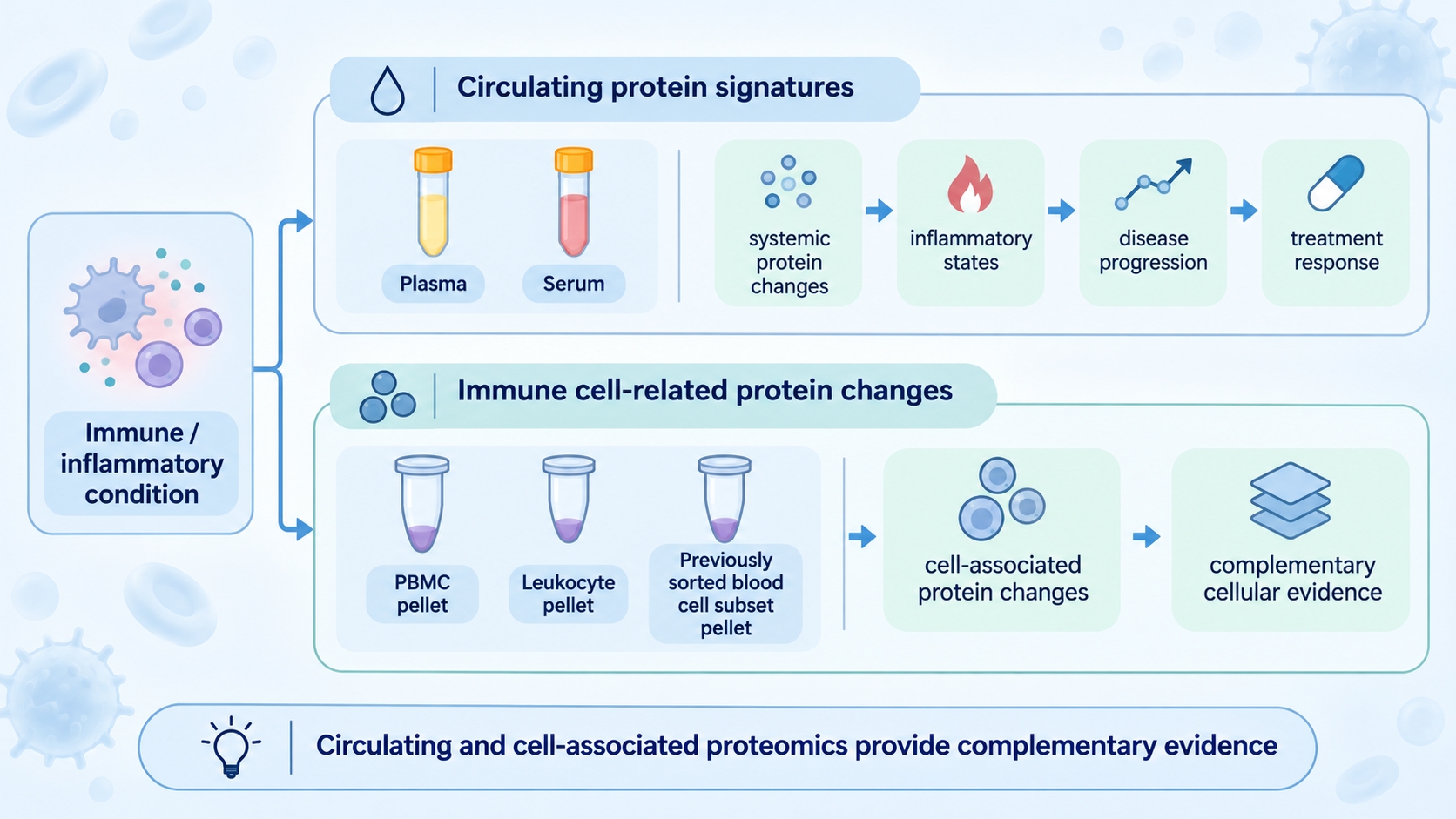
Figure 1. Complementary circulating and cell-associated protein evidence in immune and inflammatory research.
Linking Proteins to Immune Pathways
Functional enrichment connects differential proteins with shared biological annotations; PPI analysis organizes reported or predicted protein relationships. Together, the methods add biological context to measured abundance changes.
The general laboratory workflow that generates protein identification and relative-quantification data is covered in Blood Proteomics Workflow from Protein Extraction to LC-MS/MS Analysis.
1. Functional Enrichment of Immune-Related Proteins
GO, KEGG, and Reactome enrichment may associate differential proteins with innate immunity, interferon and cytokine signaling, complement, antigen presentation, phagocytosis, leukocyte migration, and inflammatory regulation.
Interpret each term through its contributing proteins, abundance direction, and overlap with related annotations. Several related proteins provide a stronger biological pattern than one broad term driven by a single protein.
- Leading proteins: identify the proteins driving each term and review their known functions.
- Abundance direction: proteins that rise and fall within one term may represent different parts of the response.
- Term overlap: shared proteins across GO, KEGG, and Reactome can point to connected processes rather than separate mechanisms.
Complement proteins may appear in innate-immunity, host-defense, and inflammatory terms; acute-phase proteins may contribute to several related annotations. Shared contributors help define a connected host-response pattern.
2. Exploring Protein Networks and Functional Associations
PPI networks place differential proteins in reported or predicted relationships. Clusters may highlight groups associated with immune recognition, complement, antigen presentation, or cytokine signaling.
Review network position alongside abundance changes, neighboring proteins, evidence sources, and confidence scores. A connected module is most informative when its proteins also match the study question.
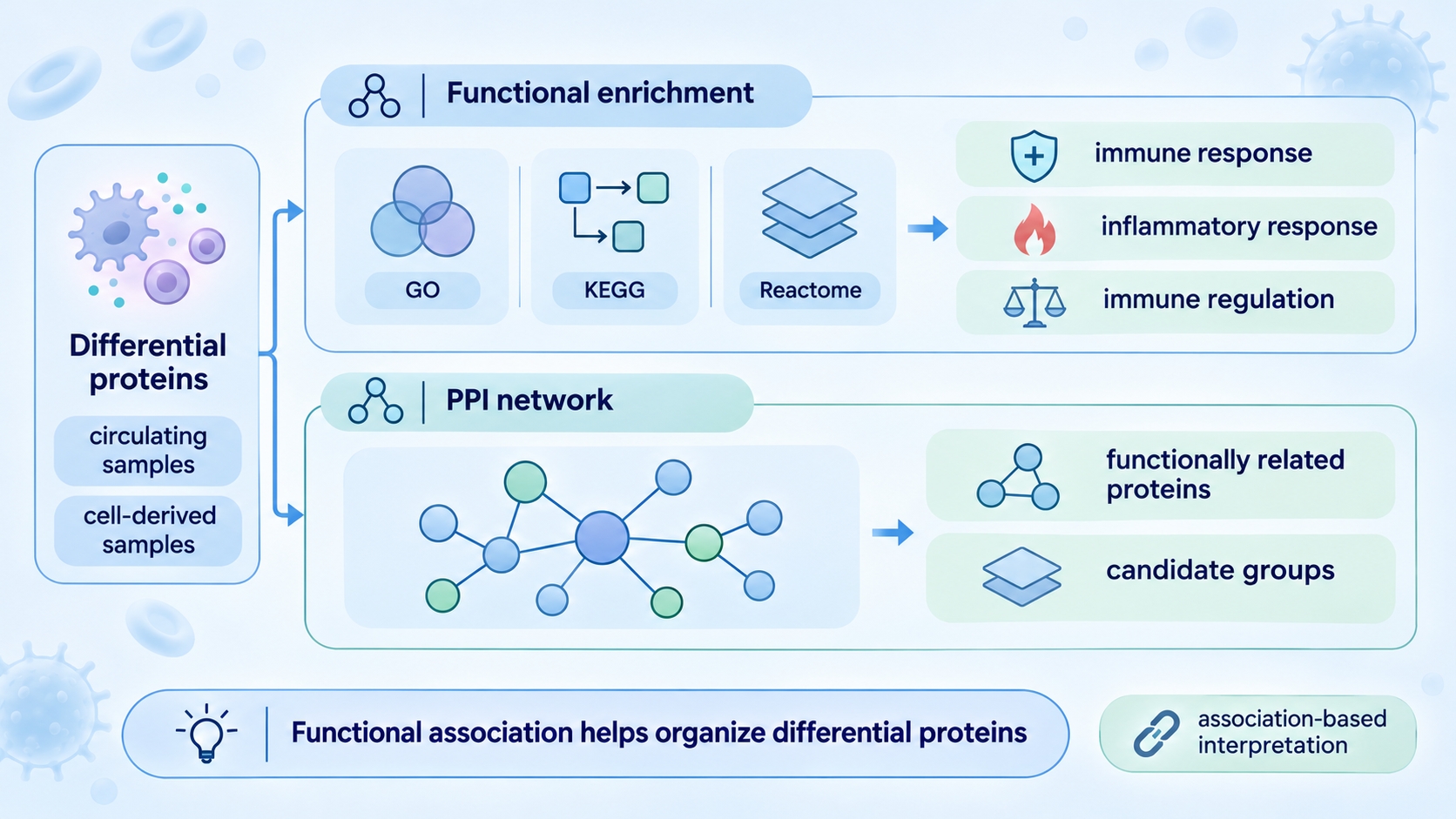
Figure 2. Functional enrichment and PPI networks provide complementary context for differential proteins.
Candidate Protein Discovery and Validation
Combining differential protein results, enrichment, and PPI networks helps prioritize candidates with a clear link to the immune or inflammatory research question.
1. Prioritizing Candidates by Differential and Functional Evidence
Candidate prioritization combines abundance magnitude and direction with functional context, network relationships, and relevance to the condition or intervention.
|
Evidence layer |
Questions to consider |
Contribution to prioritization |
|
Differential pattern |
Is the abundance change clear in the comparison of interest, and is its direction consistent with the observed biological state? |
Establishes the measured protein response associated with the study condition. |
|
Functional association |
Does the protein contribute to immune or inflammatory processes represented in GO, KEGG, or Reactome results? |
Connects the candidate with a relevant biological process. |
|
Network context |
Does the protein belong to a connected group of proteins related to the same immune function? |
Adds information about functional relationships and potential candidate modules. |
|
Research relevance |
Does the protein help address the study question or provide a useful lead for the next experiment? |
Keeps the candidate list focused on interpretable and actionable research priorities. |
A moderate abundance change with strong research relevance may be more useful than the largest Fold Change alone. The shortlist should distinguish broad inflammatory-response proteins from candidates that offer more specific insight into the study question.
2. Validating Candidate Proteins in Follow-up Studies
Follow-up studies can address two complementary questions: can targeted quantification reproduce the discovery signal, and does the candidate pattern recur in an independent sample set?
(1) PRM targeted quantification
PRM quantifies selected candidate proteins through representative peptides in a focused mass-spectrometric assay. MtoZ Biolabs offers PRM targeted validation as an extended service; target selection and analytical scope follow project objectives.
(2) Independent-sample validation
Independent-sample validation tests whether abundance trends recur in a separate, relevant sample set. Reproducible patterns strengthen the association with the immune or inflammatory condition. MtoZ Biolabs lists biomarker validation as an extended service, with scope assessed for each project. Functional experiments can further examine a candidate's role in a specific immune process.
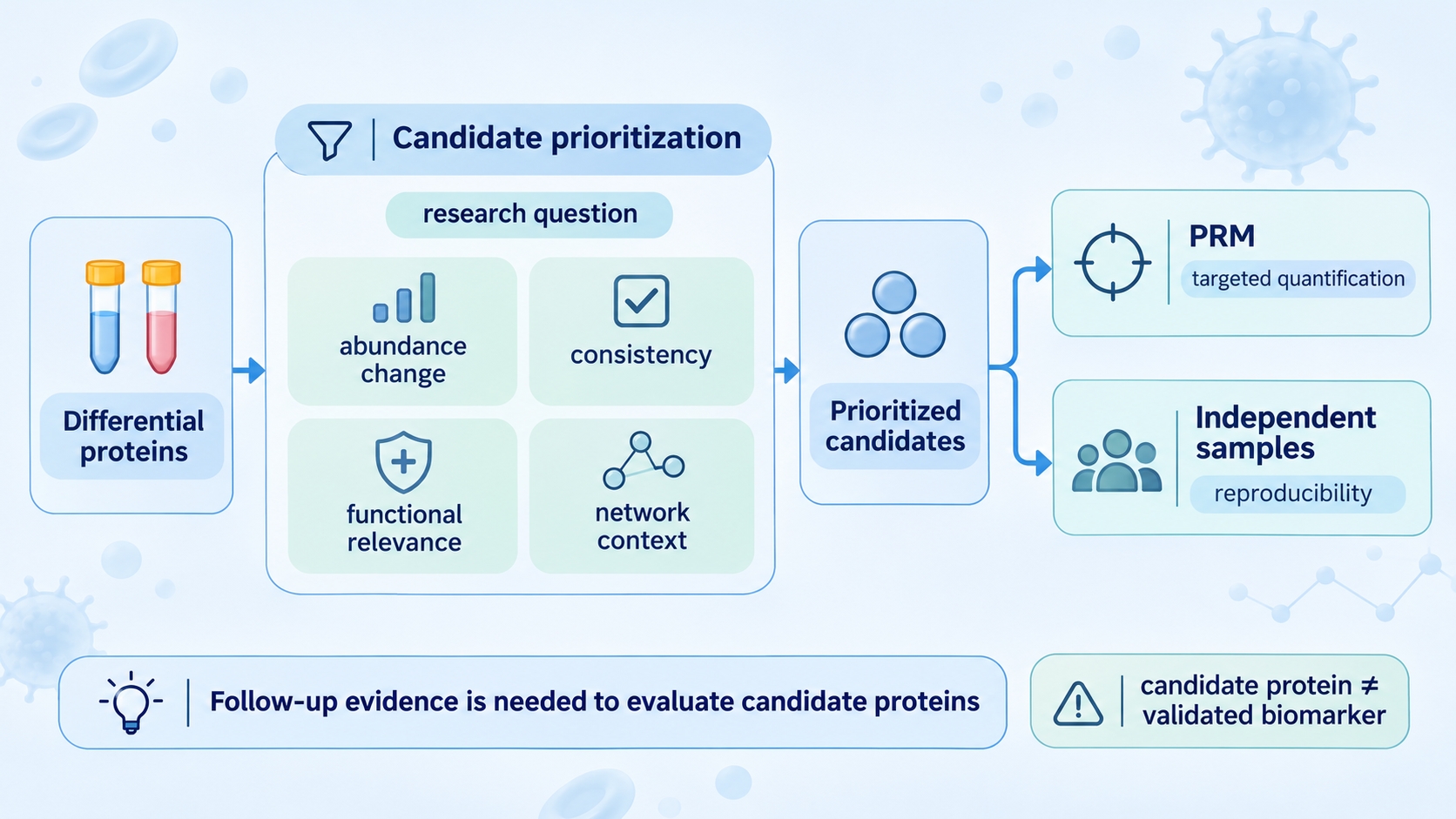
Figure 3. Candidate protein prioritization and follow-up validation in blood proteomics.
Frequently Asked Questions
1. Why can the same inflammatory condition show different protein signatures?
Disease stage, treatment exposure, the dominant immune process, and the degree of systemic involvement can all shape the blood proteome. Samples collected at different stages may therefore show different combinations of acute-phase, complement, chemokine, and immune-regulatory proteins.
2. How can chemokine-related proteins inform studies of leukocyte recruitment?
Chemokines such as CXCL10 and CCL2 provide molecular context for signals associated with immune-cell recruitment. Reviewing chemokine abundance alongside leukocyte-related proteins and cell-derived profiles helps characterize recruitment-associated patterns.
3. What does a connected PPI module add to candidate assessment?
A connected module groups proteins with reported or predicted relationships and may highlight a shared immune function. The module is most useful when its members also show relevant abundance changes and fit the study question.
4. When should candidate-protein research include functional experiments?
Functional experiments are useful when the next question concerns how a candidate contributes to an immune process. PRM and independent-sample analysis examine quantitative reproducibility and recurrence; functional studies address the candidate's biological role.
Conclusion
Blood proteomics can connect immune and inflammatory states with protein changes at both circulating and cell-associated levels. Plasma and serum reveal systemic protein patterns, while PBMCs, leukocyte pellets, and previously sorted blood cell subsets provide complementary cellular evidence. Functional enrichment and PPI analysis can then organize differential proteins into biologically relevant patterns that support candidate prioritization.
Candidate proteins remain research leads until their abundance patterns are confirmed through appropriate follow-up evidence, such as PRM or independent samples. For a broader overview of blood proteomics research and applications, see Understanding Blood Proteomics and Its Applications in Research. For projects involving blood, PBMCs, leukocyte pellets, or previously sorted blood cell subset pellets, MtoZ Biolabs provides Blood Proteomics Service to support project-specific proteomic analysis and follow-up candidate evaluation. If your study focuses specifically on circulating proteins, explore Plasma Proteomics Analysis Service or Serum Proteomics Service.
