Stable Isotope Labeling Service
MtoZ Biolabs provides Stable Isotope Labeling Service for isotope-based quantitative analysis and molecular tracking, supporting protein, peptide, metabolite, and other compatible targets through tailored LC-MS workflows.
From SILAC quantitative proteomics to selected isotope tracing and internal-standard-assisted analysis, labeling strategies are matched to the biological system, target molecule, and analytical objective.
- Stable isotope workflows for quantitative analysis
- SILAC-focused quantitative proteomics capability
- LC-MS analysis for isotope-resolved measurement
- Study-specific isotope strategy evaluation
Stable isotope labeling introduces non-radioactive isotopic forms into biological or chemical systems, creating measurable mass differences between labeled and unlabeled molecular species. When combined with mass spectrometry, stable isotope strategies can support relative quantification, isotope incorporation studies, molecular tracing, and internal-standard-assisted measurement.
MtoZ Biolabs provides Stable Isotope Labeling Service for studies involving proteins, peptides, metabolites, and other compatible molecular targets. SILAC is a key protein quantitative workflow within this service, particularly for controlled cultured-cell studies. Additional isotope strategies can be evaluated according to the biological system, target molecule, and analytical objective.
Stable Isotope Labeling Service at MtoZ Biolabs
MtoZ Biolabs supports stable isotope studies from labeling strategy evaluation and sample preparation through LC-MS or LC-MS/MS analysis, quantitative data processing, and result interpretation.
|
Stable Isotope Approach |
Main Analytical Purpose |
Typical Project Context |
|
Relative protein quantification |
Comparative proteomics in compatible cultured-cell systems |
|
|
13C Labeling |
Isotope incorporation or molecular tracing |
Selected metabolic and biosynthetic studies |
|
15N Labeling |
Nitrogen incorporation or isotope tracing |
Selected biosynthetic and labeling studies |
|
2H Labeling |
Molecular tracing or isotope-assisted measurement |
Project-specific tracer or quantitative workflows |
|
Stable Isotope-Labeled Standards |
Internal-standard-assisted LC-MS quantification |
Targeted analysis of predefined molecules |
Other stable isotope approaches can be considered when scientifically appropriate and analytically feasible.
Principles
1. SILAC
Stable Isotope Labeling by Amino Acids in Cell Culture (SILAC) introduces stable isotope-labeled amino acids into the culture medium. During cell growth, these amino acids are incorporated into newly synthesized proteins, allowing proteins from different experimental conditions to be distinguished and relatively quantified by LC-MS/MS.
Because labeling occurs before protein extraction, differently labeled cell populations can be combined early in the analytical workflow, helping reduce variation introduced during subsequent sample preparation.
SILAC is well suited to controlled cultured-cell studies involving treatment response, cell signaling, gene perturbation, time-course comparison, and other comparative quantitative proteomics designs.
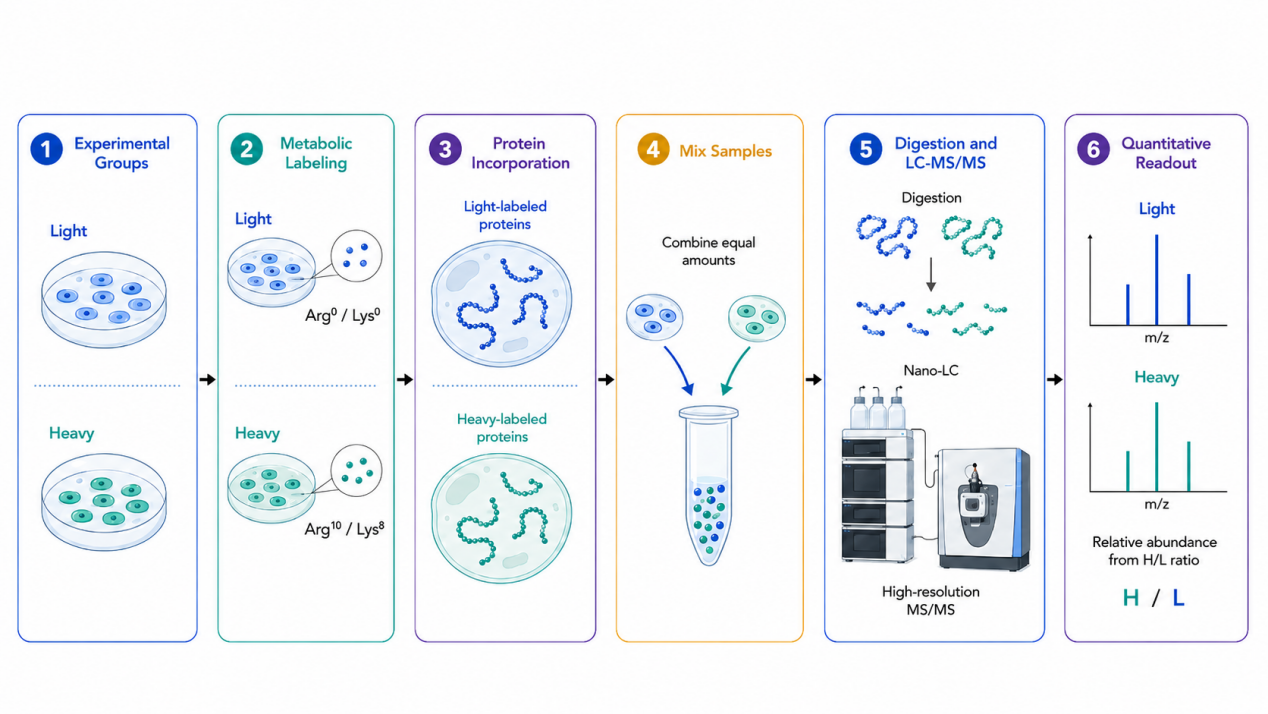
Figure 1. Schematic Diagram of SILAC
2. Other Stable Isotope Approaches
Depending on the analytical goal, other stable isotope strategies such as 13C, 15N, or 2H labeling may be evaluated for isotope incorporation, molecular tracing, or selected quantitative studies.
Stable isotope-labeled analogs can also be used as internal standards in targeted LC-MS or LC-MS/MS analysis. When absolute quantification is required, suitable reference materials, calibration, and an appropriate quantitative method are needed in addition to the labeled internal standard.
Analysis Workflow
1. Study and Labeling Design
The biological system, target molecule, isotope strategy, sample groups, labeling conditions, and required analytical output are reviewed before the workflow is established.
2. Stable Isotope Labeling and Sample Preparation
Depending on the study design, stable isotopes may be introduced through metabolic labeling, tracer administration, or another suitable labeling approach.
For isotope-assisted quantification, a stable isotope-labeled analog may instead be added as an internal standard during sample preparation or quantitative analysis.
3. LC-MS or LC-MS/MS Analysis
Labeled and unlabeled molecular species are measured using a mass spectrometry workflow selected according to the target molecule, expected isotope pattern, and required quantitative information.
4. Quantitative Data Processing
Data processing may include relative protein quantification, isotope ratios, isotope enrichment, isotopologue distributions, analyte-to-standard ratios, or concentration values when supported by the analytical design.
Why Choose MtoZ Biolabs?
1. Flexible Study Design
Stable isotope workflows are developed according to the biological system, target molecule, sample matrix, labeling strategy, and quantitative objective.
2. LC-MS-Based Analytical Support
Stable isotope studies can be integrated with LC-MS or LC-MS/MS for isotope-resolved detection and quantitative measurement.
3. Integrated Data Analysis
Quantitative results, isotope ratios, enrichment patterns, isotopologue distributions, and downstream interpretation can be included according to the approved analytical scope.
4. Scientific Support
Technical support is available for isotope strategy evaluation, sample preparation, analytical design, and interpretation of quantitative results.
5. One-Time-Charge
Our pricing is transparent, no hidden fees or additional costs.
Sample Submission Suggestions
Before starting a Stable Isotope Labeling Service study, please provide:
- Sample type or biological system
- Target molecule or research object
- Preferred isotope strategy, if known
- Sample number and group design
- Available sample amount or concentration
- Main research objective
For SILAC studies, please also provide the cell type and current culture conditions. For tracer studies, include the proposed labeled substrate and sampling design when available.
FAQ
Q1. What is stable isotope labeling used for?
Stable isotope labeling can support relative protein quantification, isotope incorporation studies, molecular tracing, and internal-standard-assisted LC-MS analysis. The appropriate application depends on the biological system, target molecule, and study objective.
Q2. Does stable isotope labeling affect molecular structure or behavior?
Stable isotopes have the same chemical identity as other isotopes of the same element, so isotope substitution generally preserves the overall molecular structure. However, isotope substitution can influence reaction rates or molecular behavior in some systems, particularly when hydrogen is replaced by deuterium. Potential isotope effects should therefore be considered when designing the labeling strategy.
Q3. What types of samples or molecules can be evaluated?
Stable isotope strategies can be considered for proteins, peptides, metabolites, cultured-cell systems, and other compatible molecular targets. Suitability depends on how the isotope is introduced, the sample matrix, the target molecule, and the required analytical output.
Q4. Which stable isotope strategy should I choose?
The appropriate strategy depends on the research question. SILAC is particularly suited to relative protein quantification in compatible cultured-cell systems, while other stable isotope approaches may be considered for isotope tracing, incorporation studies, or targeted quantitative analysis.
Contact Us
Stable isotope studies require the isotope strategy to match the biological system and analytical objective. Share your sample type, target molecule, group design, and research goal with MtoZ Biolabs, and our technical team can help evaluate a suitable Stable Isotope Labeling Service workflow.
Free consultation is available.
MtoZ Biolabs, an integrated chromatography and mass spectrometry (MS) services provider.
Related Services
Label-Based Protein Quantitative Service—iTRAQ, TMT, SILAC
Label-Free DIA Quantitative Proteomics
SILAC/Dimethyl Quantitative Proteomics Service
Demo for Stable Isotope Labeling Service
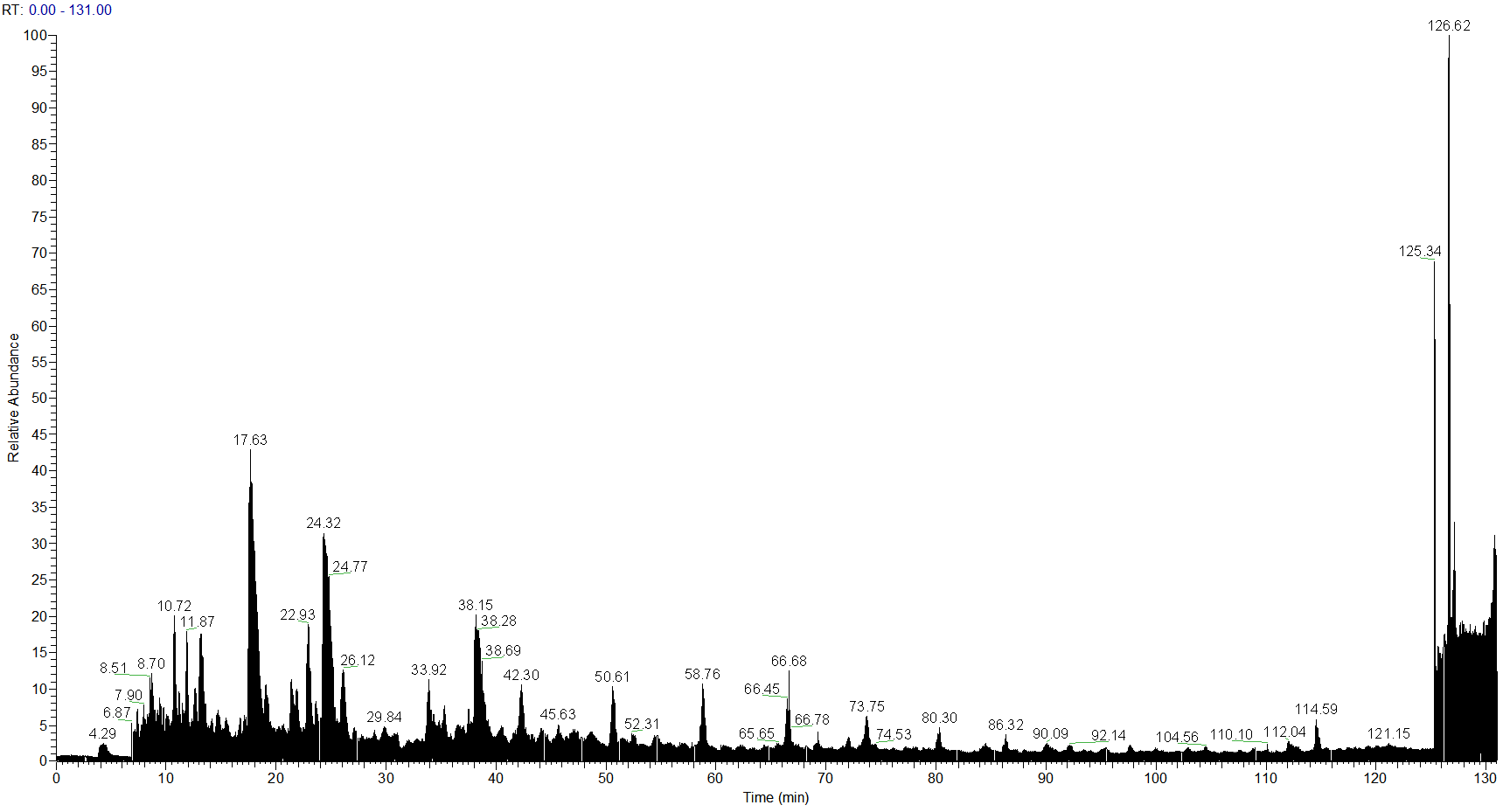
Total Ion Chromatogram
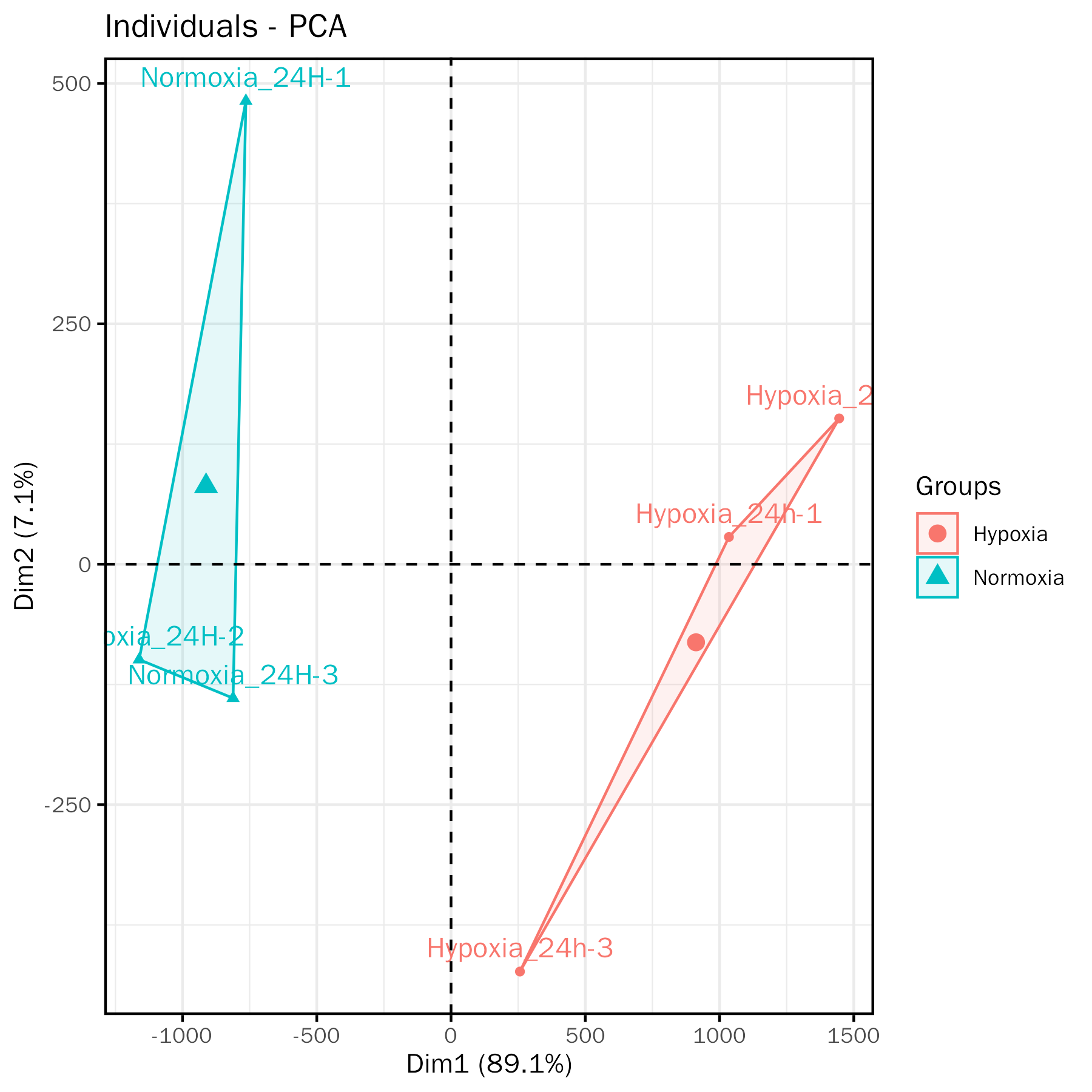
PCA Plot of Sample Grouping
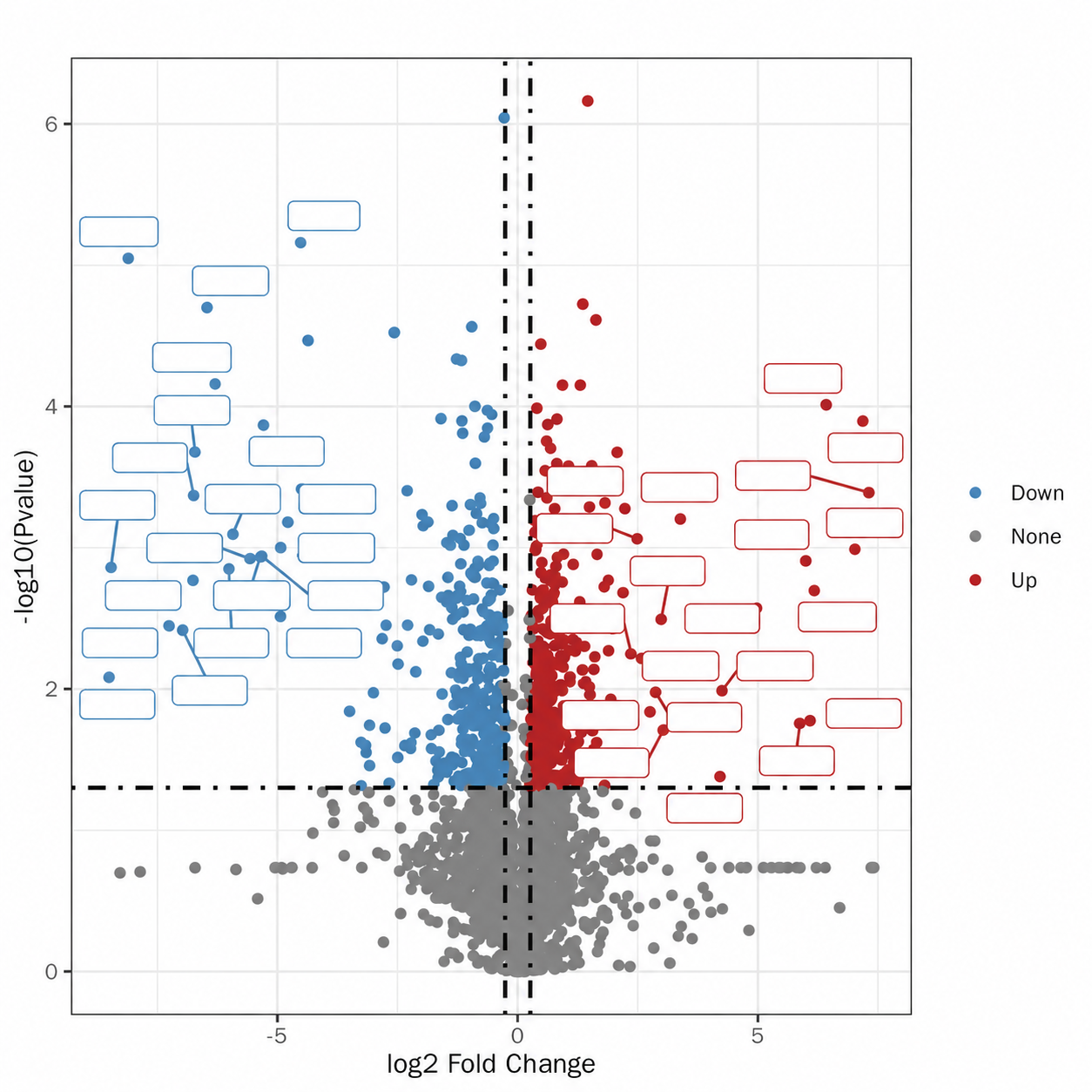
Volcano Plot of Differential Proteins