MS-Based Protein Interaction Identification Service
MtoZ Biolabs provides MS-Based Protein Interaction Identification Service to identify proteins recovered from affinity enrichment, protein complexes, and proximity labeling experiments using high-resolution LC-MS/MS.
Submit prepared IP/Co-IP, Pull-Down, or other enriched samples for MS identification, or choose an integrated interaction enrichment and analysis workflow tailored to your research objective.
- Protein identification from IP and Pull-Down samples
- High-resolution LC-MS/MS for interaction proteomics
- Support for complete workflows and MS-only projects
What Is MS-Based Protein Interaction Identification?
MS-based protein interaction identification combines affinity-based enrichment or proximity labeling with liquid chromatography-tandem mass spectrometry (LC-MS/MS) to identify proteins captured with or located near a target protein or molecular complex.
Depending on the experimental approach, the analysis can identify proteins co-purified with target complexes, proteins captured by a defined bait, or proteins labeled within the vicinity of a target. These results help researchers discover candidate interaction partners, characterize protein complexes, and investigate target-associated protein environments.
Service at MtoZ Biolabs
MtoZ Biolabs provides MS-based protein identification for interaction discovery and protein complex profiling. Available workflows cover antibody-based enrichment, bait protein capture, affinity purification, proximity labeling, and nucleic acid-associated protein analysis.
1. Protein-Centric Interaction Identification
- Affinity Purification-MS (AP-MS): Profiling of protein complexes recovered through affinity purification of tagged target proteins.
- Co-IP-MS: Identification of proteins co-enriched with a target through antibody-based immunoprecipitation.
- Pull-Down-MS: Screening of candidate binding partners using a purified bait protein in an in vitro affinity capture assay.
- Proximity Labeling-MS: Identification of proteins near a target, including associations that may not be retained during conventional affinity purification.
2. Protein Identification from DNA and RNA Capture
- DNA Pull-Down MS: Identification of proteins captured by a defined DNA sequence.
- RNA Pull-Down MS: Identification of proteins associated with a selected RNA sequence or fragment.
- ChIRP-MS: Identification of proteins associated with an endogenous RNA through sequence-specific capture.
For projects requiring additional structural information, MtoZ Biolabs also provides Cross-Linking Mass Spectrometry (XL-MS) for crosslink-site analysis and Hydrogen-Deuterium Exchange Mass Spectrometry (HDX-MS) for peptide-level characterization of binding-associated conformational changes.
Downstream MS identification is also available for previously enriched interaction samples, including suitable IP/Co-IP and Pull-Down materials. Customers can submit prepared samples without repeating the upstream capture experiment.
Analysis Workflow
1. Project and Sample Assessment
Review the target, biological system, available reagents, enrichment method, sample format, controls, and analytical requirements.
2. Interaction Enrichment or Sample Preparation
Perform the selected interaction capture or proximity labeling procedure when included in the project. For completed enrichment samples, prepare the submitted material for downstream proteomic analysis.
3. Protein Digestion
Process the recovered proteins through reduction, alkylation, and enzymatic digestion to generate peptides for LC-MS/MS analysis.
4. Peptide Cleanup and LC-MS/MS Analysis
Remove interfering components through appropriate peptide cleanup, followed by nano-LC separation and high-resolution mass spectrometry analysis.
MtoZ Biolabs uses an Orbitrap mass spectrometry platform coupled with nano-LC for interacting protein identification.
5. Database Searching and Protein Identification
Search acquired MS data against a suitable protein sequence database. Compile protein and peptide identifications and relevant identification metrics.
6. Data Reporting
Prepare the processed identification results, analytical findings, and project report. Additional analyses are performed when included in the project scope.
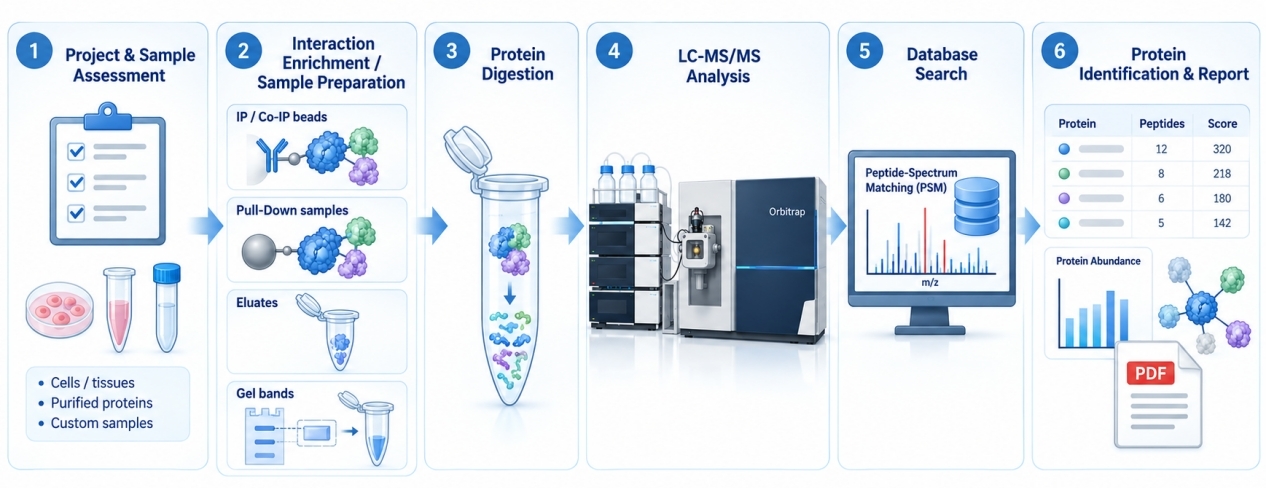
Figure 1. Workflow of MS-Based Protein Interaction Identification
Sample Submission Suggestions
1. Sample Types
Cells, cell lysates, tissues, microbial samples, purified proteins, and previously enriched interaction samples, including IP/Co-IP beads, Pull-Down beads, eluates, gel bands, and protein solutions.
2. Sample Quantity
- Total Protein Extracts: Recommended input of at least 100 µg.
- Enriched Protein Samples: Recommended input of at least 50 µg as a general guide. Method-specific requirements may differ.
- Prepared Pull-Down Samples: Submission requirements depend on sample format, protein concentration, and buffer composition.
3. Sample Preparation and Handling
- Sample Information: Provide the target protein, organism, enrichment method, available controls, and research objective.
- Buffer Compatibility: Specify the salt concentration, detergent content, and other relevant buffer components. For prepared Pull-Down samples, SDS should be below 0.1%, and interfering high-salt or detergent components should be addressed before analysis.
- Storage and Shipping: Prepared Pull-Down gel bands may be shipped at room temperature or with an ice pack. Protein solutions and bead suspensions should be rapidly frozen in liquid nitrogen and shipped on dry ice. Shipping requirements for other sample types should be confirmed before submission.
- Reference Database: Provide the organism information and any project-specific protein sequence database requirements.
Please contact MtoZ Biolabs before shipment to confirm sample quantity, preparation, buffer compatibility, and transportation requirements.
Applications
1. Protein Complex Characterization
Identify proteins recovered with a selected target or affinity-purified complex.
2. Cell Signaling Research
Profile proteins associated with signaling proteins and regulatory complexes.
3. Subcellular Protein Association Studies
Characterize proteins labeled near targets within defined cellular compartments.
4. Gene and RNA Regulation Research
Identify proteins recovered through DNA- or RNA-directed enrichment.
Why Choose MtoZ Biolabs?
1. Integrated Enrichment and MS Identification
MtoZ Biolabs supports complete interaction discovery workflows as well as downstream LC-MS/MS identification of previously enriched samples.
2. High-Resolution Mass Spectrometry
The Orbitrap platform combined with nano-LC supports protein and peptide identification from interaction-enriched samples.
3. Customized Service Solutions
Experimental plans are developed according to the target, available reagents, sample format, and analytical objectives. Sample preparation and MS analysis are selected to accommodate different enrichment strategies and submitted materials.
4. One-Time Charge
Our pricing is transparent, with no hidden fees or additional costs.
Deliverables
Deliverables are defined according to the selected MS workflow.
1. Raw MS Data
Original mass spectrometry files.
2. Protein Identification Results
Protein and peptide identification tables, including available identification scores, sequence coverage, and intensity information where applicable.
3. Processed Analysis Results
Method-specific protein identification results and analytical visualizations, where applicable.
4. Project Report
Experimental methods, analytical parameters, and principal findings.
5. Optional Bioinformatics Analysis
GO/KEGG enrichment and protein interaction network analysis when included in the project scope.
FAQ
1. What negative controls are recommended for MS-based protein interaction identification?
Control design depends on the enrichment method. IgG controls are commonly used for immunoprecipitation, while tag-only or bead controls are relevant to affinity-based capture. Proximity labeling experiments may require controls matched to the target's subcellular localization. Appropriate controls and biological replicates should be considered during project planning.
2. Can interaction partners be identified without an antibody against the target protein?
Yes. Pull-down MS can use a purified bait protein, while affinity-tag-based purification can recover tagged targets and their associated proteins. The approach depends on the available bait, expression system, and experimental objective.
3. Does MS-based identification confirm direct protein-protein binding?
Protein identification establishes that a protein was detected in the analyzed sample. Co-enrichment or proximity labeling results can identify candidate interaction partners but do not independently establish direct binary binding. Additional interaction experiments may be needed to investigate selected candidates.
Contact Us
Have an enriched protein sample ready for LC-MS/MS, or need a complete interaction identification workflow?
Share your target information, enrichment method, sample format, available protein quantity, and research objective with MtoZ Biolabs. Our team can review sample suitability and recommend an appropriate MS identification strategy for your project.
MtoZ Biolabs, an integrated chromatography and mass spectrometry (MS) services provider.
Related Services
Protein Interaction Analysis Service
MS-Based Protein-Protein Interaction Analysis Service
Demo for MS-Based Protein Interaction Identification Service
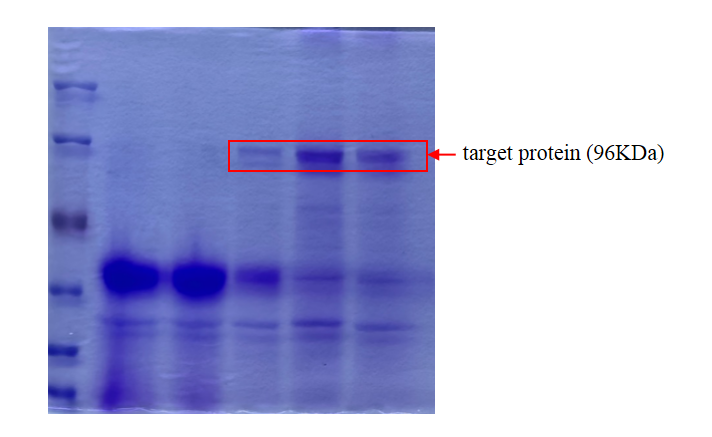
SDS-PAGE Analysis of Enriched Protein Samples
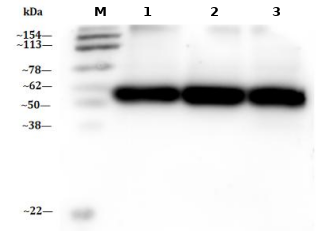
Representative Western Blot Results
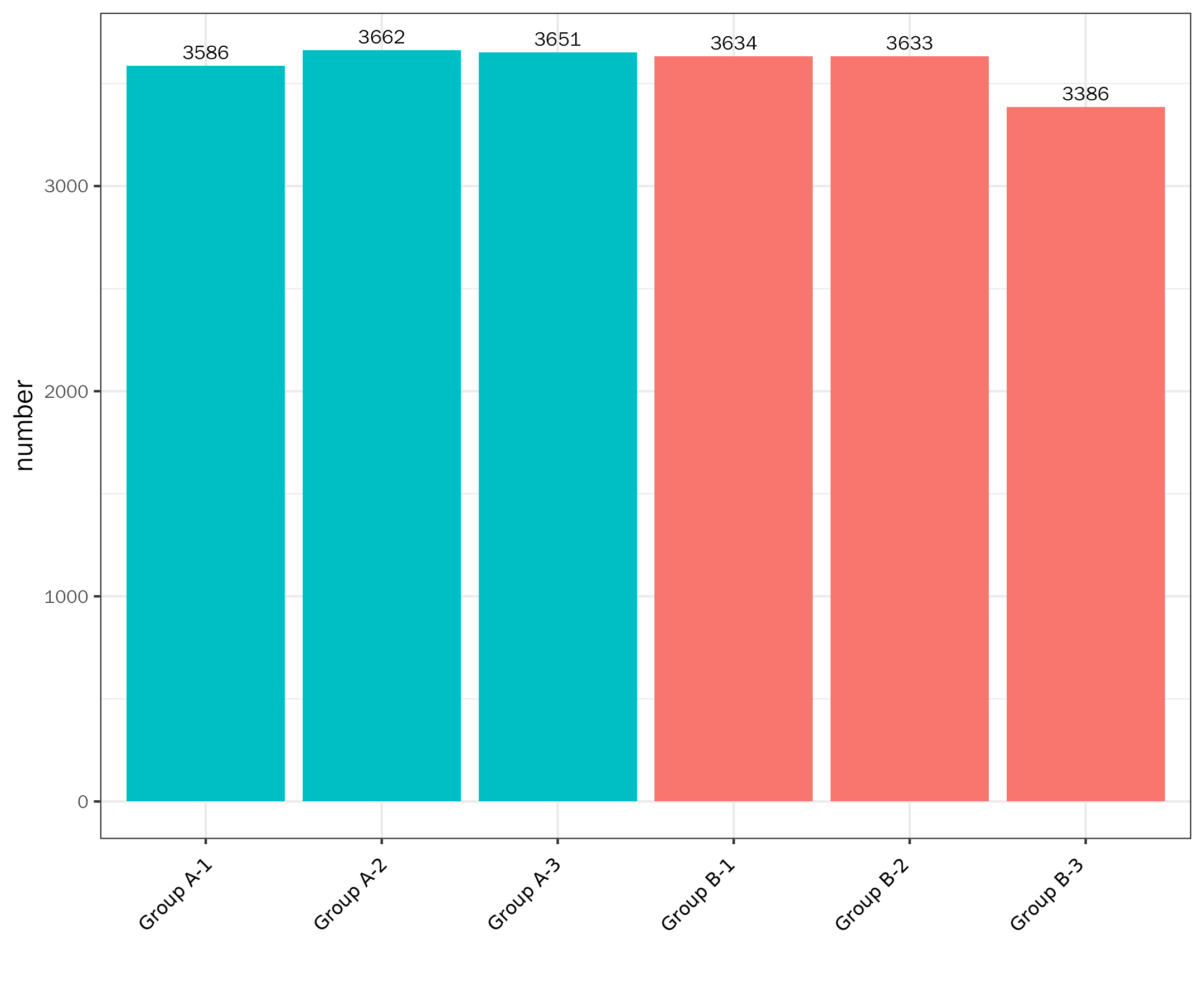
Protein Identification Counts Across Samples
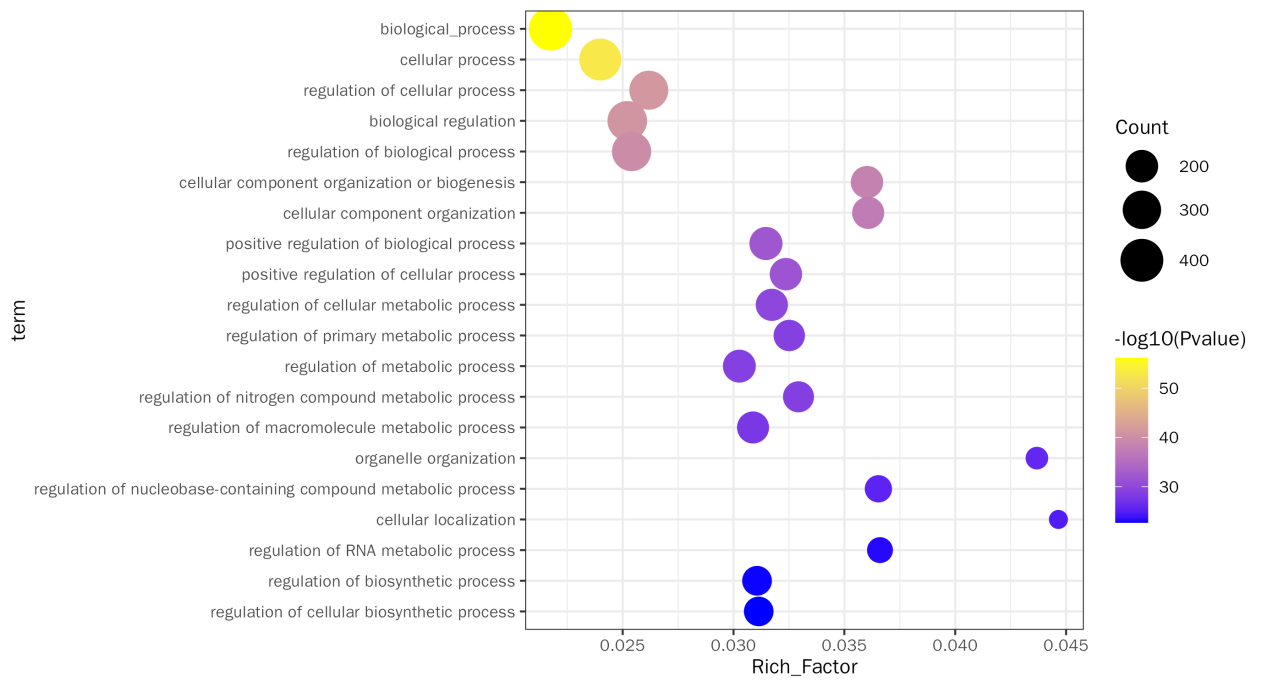
GO Enrichment Bubble Plot
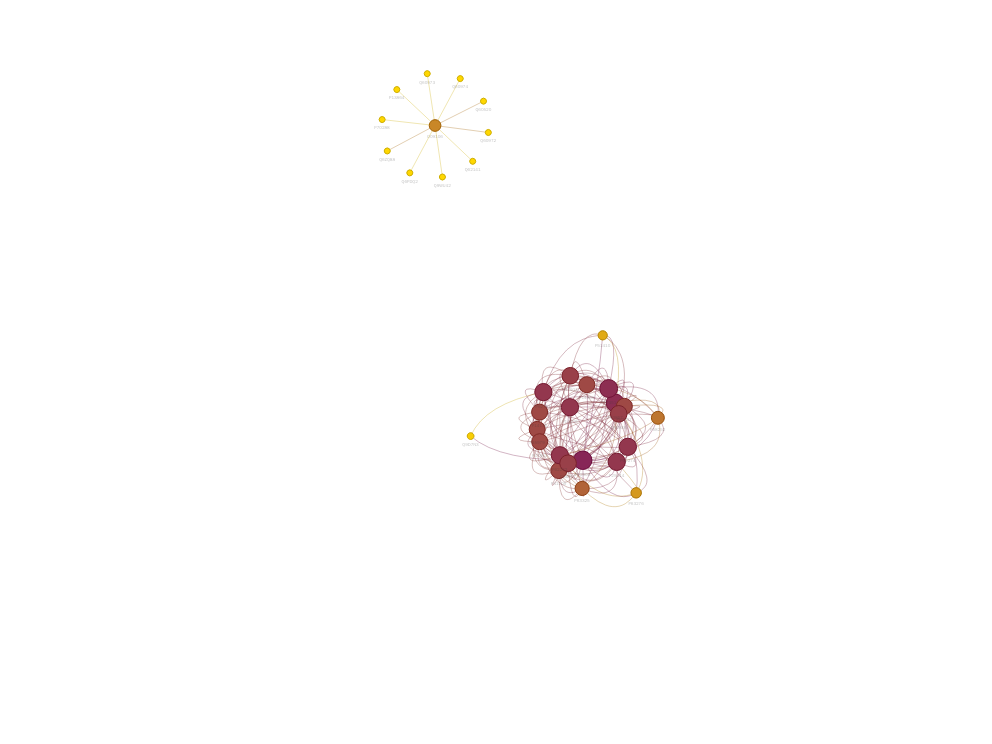
PPI Network Highlighting Hub Proteins