Protein-DNA Interaction Analysis Service
MtoZ Biolabs provides Protein-DNA Interaction Analysis Service for genome-wide mapping of protein-associated DNA regions, identification of candidate DNA-binding proteins, and targeted interaction validation.
Integrated workflows using ChIP-Seq, CUT&Tag, CUT&RUN, ChIP-qPCR, and DNA Pull-Down-MS are tailored to your target, sample type, and research objectives.
- Genome-Wide Protein Binding Site Mapping
- DNA-Binding Protein Identification
- Targeted Protein–DNA Interaction Validation
What Is Protein-DNA Interaction Analysis?
Protein-DNA interaction analysis encompasses a range of techniques used to investigate interactions between proteins and specific DNA sequences or genomic regions. These methods support genome-wide mapping of transcription factor and other DNA-binding protein occupancy, identification of candidate proteins associated with specific DNA sequences, and validation of protein-DNA binding specificity. By integrating approaches such as ChIP-Seq, CUT&Tag, CUT&RUN, and DNA Pull-Down, researchers can investigate transcriptional regulation, chromatin organization, and epigenetic mechanisms through genome-wide mapping, candidate protein screening, and targeted interaction validation.
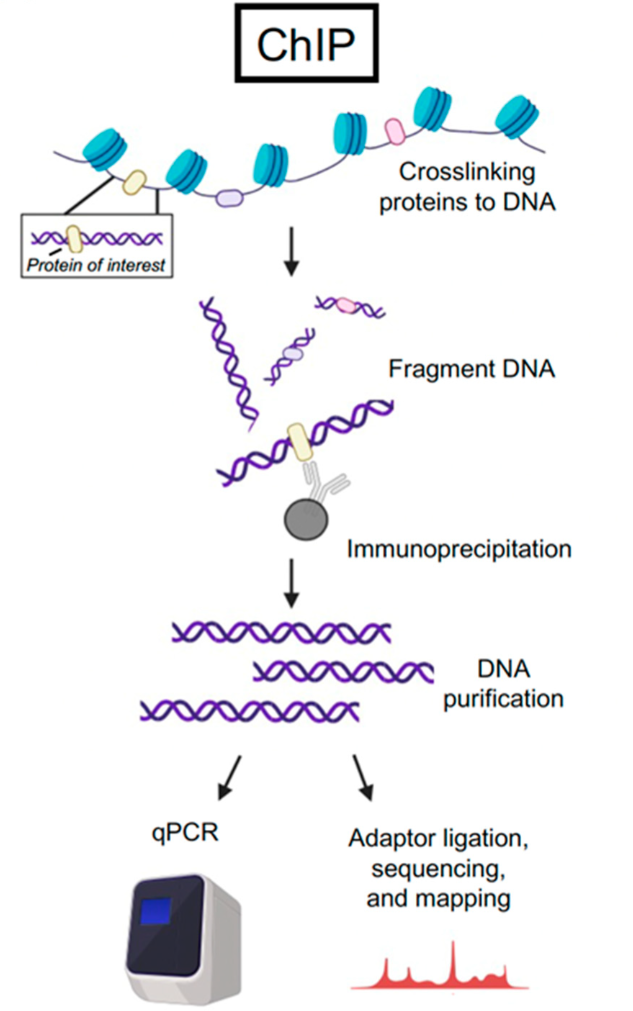
Packard, J. E. et al. Viruses. 2024.
Figure 1. Protein-DNA Interaction Analysis Workflow Using ChIP-Seq
Choose the Right Protein-DNA Interaction Analysis Workflow
The choice of protein-DNA interaction analysis method depends primarily on whether the target protein or DNA sequence is known and whether the research objective is genome-wide binding site mapping, candidate protein identification, or validation of a specific interaction.
|
Research Objective |
Recommended Method |
What It Can Reveal |
|
Map genome-wide binding regions of a known target protein |
Transcription factor binding regions and the genomic distribution of histone modifications |
|
|
Analyze chromatin-binding regions of a known target protein with limited sample material |
Genomic regions associated with the target protein or histone modification |
|
|
Validate target protein enrichment at a candidate genomic region |
ChIP-qPCR |
Target protein enrichment at candidate promoters, enhancers, or other specific genomic regions |
|
Identify proteins associated with a known DNA sequence |
Candidate DNA-binding proteins and potential transcriptional regulators from complex protein samples |
Method Selection Tip: For genome-wide protein occupancy mapping, consider ChIP-Seq or CUT&Tag. To screen for unknown proteins associated with a specific DNA sequence, DNA Pull-Down may be appropriate. The final approach should account for target characteristics, sample conditions, and the type of evidence required.
Service at MtoZ Biolabs
MtoZ Biolabs provides protein-DNA interaction analysis service to support genome-wide protein-binding region mapping, candidate DNA-binding protein identification, and targeted protein-DNA interaction validation. Experimental and analytical strategies are tailored to research objectives, sample types, and project requirements. Deliverables include the relevant raw sequencing or mass spectrometry files, analytical results, and a PDF report to support research into transcriptional regulation, chromatin organization, and epigenetic mechanisms.
Service Advantages
1. Comprehensive Technology Platform
Integrate complementary techniques to address diverse protein-DNA interaction research needs.
2. Flexible Project Design
Tailor experimental strategies to the target protein, DNA sequence, sample type, research objectives, and required evidence.
3. Quality Assurance
Implement appropriate experimental controls, targeted quality assessments, and data quality control procedures to support reliable and reproducible results.
4. One-Time Charge
Our pricing is transparent, with no hidden fees or additional costs.
Applications
1. Transcriptional Regulation Studies
Map transcription factor occupancy across the genome and investigate candidate regulatory regions associated with promoters, enhancers, and other genomic elements.
2. Chromatin and Epigenetic Research
Characterize protein occupancy patterns and histone modification distributions to investigate chromatin organization and gene regulatory mechanisms.
3. DNA Motif and Regulatory Element Studies
Identify proteins associated with specific DNA sequences and compare candidate regulatory elements or DNA sequence variants.
4. Comparative Binding Analysis
Compare protein occupancy patterns and DNA-associated protein enrichment across different treatment conditions, genetic backgrounds, or developmental stages.
5. Integrated Gene Regulation Studies
Combine protein-DNA interaction data with RNA-Seq or other complementary datasets to investigate relationships between protein-DNA interaction patterns and gene expression.
Sample Submission Suggestions
Sample requirements depend on the selected method, sample type, and research objectives. The following guidelines cover three commonly used approaches.
|
Item |
ChIP-Seq |
CUT&Tag |
DNA Pull-Down-MS |
|
Sample Types |
Animal cell lines, animal tissues, fresh young plant tissues, fungi, and bacteria |
Animal cell lines, animal tissues, and fresh young plant tissues |
Cell lysates, streptavidin-captured beads, or eluted protein solutions |
|
Recommended Sample Quantity |
Animal cells: (1×10^7) cells per sample; animal tissues: 0.5 g; plant tissues: 2 g; fungi or bacteria: (1×10^9) cells per sample |
Animal cells: (1×10^7) cells per sample; animal tissues: 0.2 g; plant tissues: ≥2 g |
Cell lysate: starting material corresponding to approximately 1 mg of total protein; beads: ≥20 μL |
|
Backup Samples |
Prepare one additional tube per sample |
Prepare one additional tube per sample |
Evaluated according to sample type and experimental design |
|
Sample Preservation and Shipping |
For histone ChIP, freeze cells using a controlled-rate freezing procedure with cell freezing medium. Wash tissues with PBS and snap-freeze in liquid nitrogen. For transcription factors and other non-histone targets, perform formaldehyde crosslinking before submission. |
Freeze cells using cell freezing medium and a controlled-rate freezing procedure. Remove unwanted tissue portions, wash tissues with PBS, and snap-freeze in liquid nitrogen. Ship on dry ice. |
Snap-freeze solution or bead samples in liquid nitrogen and ship on dry ice. SDS concentration should be below 0.1%. |
|
Antibody and Other Requirements |
Provide an antibody suitable for ChIP experiments |
Provide a suitable target-specific antibody |
Provide the target DNA sequence or probe information, research objectives, and an appropriate protein reference database |
|
Samples Not Accepted |
Samples with low cell viability upon receipt, insufficient sample quantity, or no suitable ChIP-grade antibody |
Samples with low cell viability upon receipt or no suitable ChIP-grade antibody |
Severely degraded samples or samples containing high salt or excessive detergents that have not been removed |
Deliverables
1. Raw Data Files
Raw sequencing or mass spectrometry files, depending on the selected analytical method.
2. Analytical Results
Method-specific results, including genomic binding region mapping, DNA-binding protein identification, or protein-DNA binding validation.
3. PDF Analysis Report
A consolidated report summarizing data quality control, key analytical results, and major findings.
FAQs
Q1: Can DNA-binding motif analysis identify a specific DNA-binding protein?
Motif analysis identifies potential transcription factor recognition sequences, but similar motifs may be recognized by different proteins. Integrating expression data and experimental validation helps prioritize candidate proteins.
Q2: How does DNA Pull-Down-MS distinguish specific from nonspecific binding?
Compare target DNA enrichment with appropriate negative or mutated DNA probes. Biological replicates and differential enrichment analysis help identify candidate proteins for further validation.
Q3: Can protein-DNA interaction results be compared across cell types or species?
Yes, but comparisons require consideration of sample processing, reference genomes, and experimental design. Cross-species studies should also account for genomic differences and homologous regions.
Contact Us
Planning a protein-DNA interaction study? Share your target protein or DNA sequence, sample type, species, available sample quantity, and research objectives with MtoZ Biolabs. Our team can assess project feasibility and discuss suitable experimental strategies for genome-wide occupancy mapping, DNA-binding protein identification, or sequence-specific binding validation.
MtoZ Biolabs, an integrated chromatography and mass spectrometry (MS) services provider.
Related Services
Demo for Protein-DNA Interaction Analysis
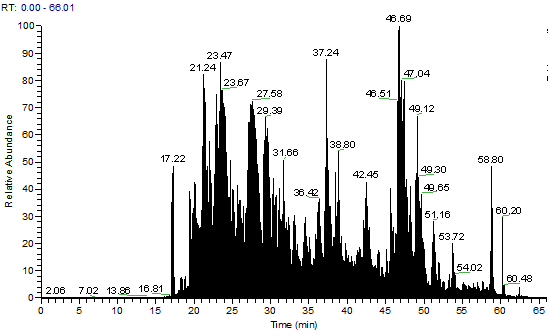
Total Ion Chromatogram
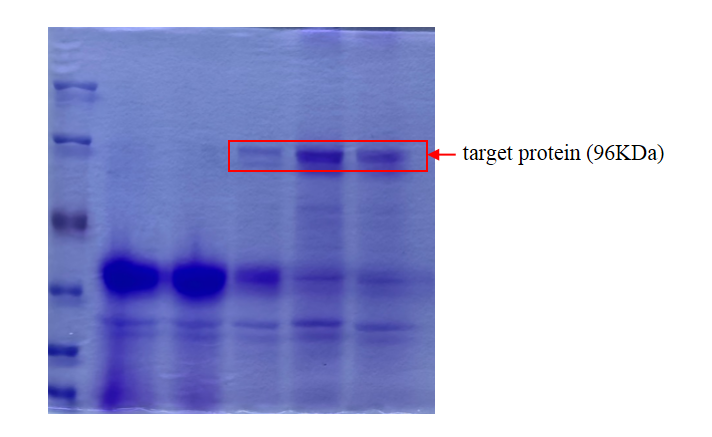
SDS-PAGE Analysis of Enriched Proteins
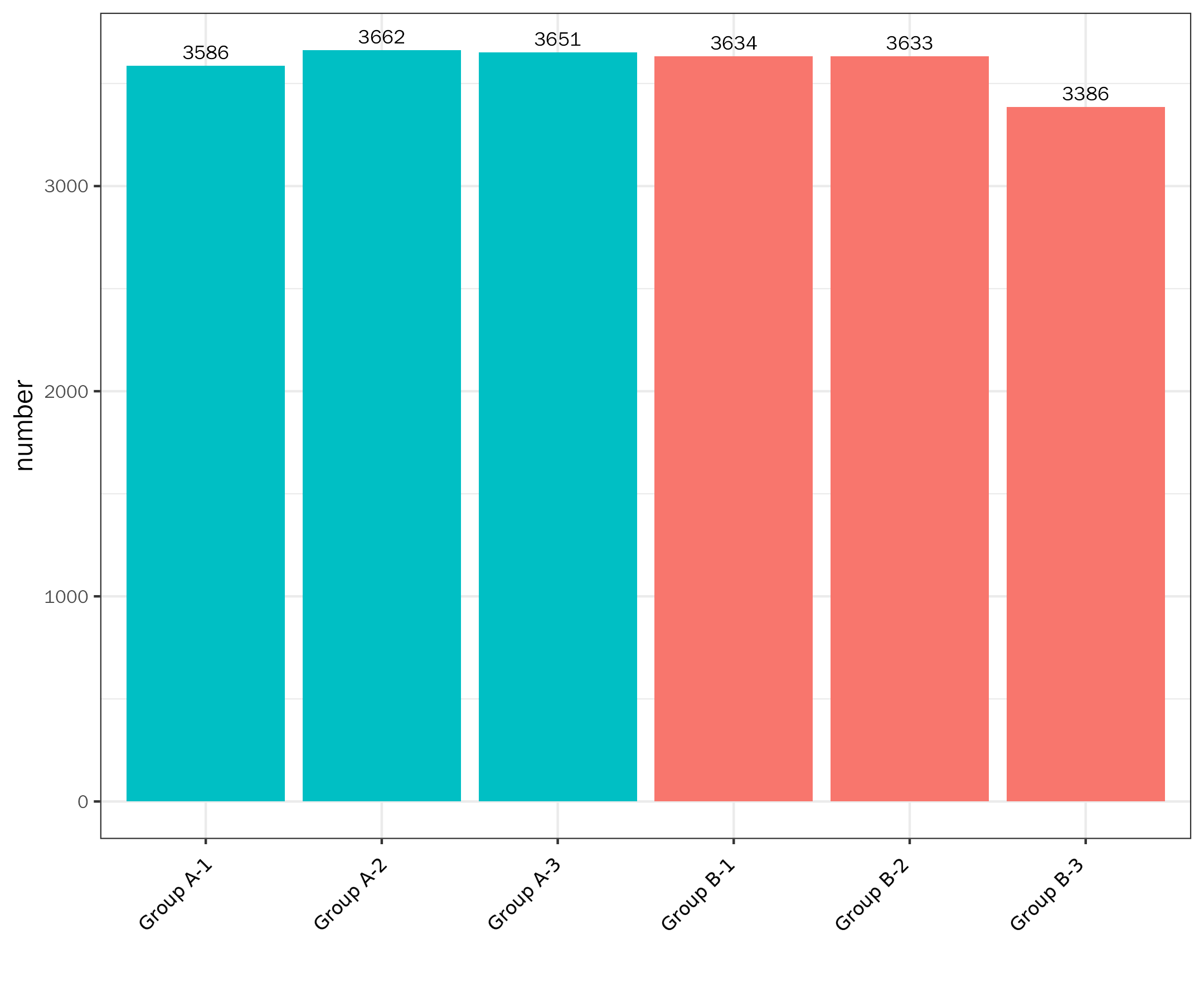
Protein Identification Counts