Label-Based Exosomal Proteomics Service
MtoZ Biolabs provides Label-Based Exosomal Proteomics Service for comparative analysis of exosomal protein changes using optimized labeling strategies, LC-MS/MS-based proteomics workflows, and quantitative data analysis.
TMT, SILAC, and other suitable quantitative approaches are selected according to exosome source, experimental design, and research objectives to support reliable exosomal protein profiling across different conditions
- Quantitative analysis of exosomal protein changes
- LC-MS/MS-based exosomal proteomics workflow
- TMT and SILAC quantitative strategies
Service Overview
Exosomes are extracellular vesicles released by cells that contain proteins, nucleic acids, lipids, and other molecular components. Their protein composition can reflect differences associated with cellular origin, experimental treatment, and biological conditions.
Mass spectrometry-based exosomal proteomics enables comprehensive characterization of exosomal protein profiles and quantitative comparison between different experimental groups. By introducing chemical or isotope labels before LC-MS/MS analysis, label-based workflows allow proteins from multiple samples to be compared within a unified quantitative framework.
MtoZ Biolabs provides Label-Based Exosomal Proteomics Service by integrating optimized exosome sample processing, quantitative labeling strategies, high-resolution LC-MS/MS analysis, and proteomics data interpretation to support comparative exosomal protein studies.
Service Category
Different quantitative strategies can be selected according to exosome source, experimental design, sample number, and research objectives.
1. TMT-Based Exosomal Proteomics
TMT (Tandem Mass Tag) is a chemical labeling strategy that enables multiplexed relative protein quantification by labeling peptides from different samples before LC-MS/MS analysis.
By combining multiple labeled samples into a single analytical workflow, TMT-based exosomal proteomics supports quantitative comparison of exosomal protein abundance across defined experimental groups with improved analytical consistency.
Typical applications include:
- Comparison of exosomal protein changes between experimental conditions
- Treatment-response studies
- Controlled comparative proteomics studies
2. SILAC-Based Exosomal Proteomics
SILAC (Stable Isotope Labeling by Amino Acids in Cell Culture) introduces stable isotope-labeled amino acids into cultured cells during growth. The resulting isotope-labeled proteins can be analyzed by LC-MS/MS for relative quantitative comparison.
SILAC is suitable for exosomes derived from compatible cultured-cell systems and is commonly applied to controlled comparative proteomics studies where metabolic labeling can be performed.
Typical applications include:
- Cell-derived exosome comparison
- Treatment-response analysis
- Comparative protein expression studies
3. Other Quantitative Approaches
Depending on sample characteristics and research objectives, other quantitative strategies, including label-free workflows, may also be considered for exosomal protein analysis.
The final analytical strategy is selected according to sample source, experimental design, quantitative requirements, and overall project goals.
Analysis Workflow
1. Exosome Sample Preparation
Exosome samples are processed according to their biological source and isolation method.
2. Protein Extraction and Labeling
Exosomal proteins are extracted, enzymatically digested, and labeled according to the selected quantitative strategy.
3. LC-MS/MS Analysis
Labeled peptides are analyzed using high-resolution LC-MS/MS workflows for exosomal protein identification and quantitative comparison.
4. Quantitative Data Analysis
Proteomics data are processed to generate protein identification results, quantitative comparisons, and downstream biological interpretation.
Service Advantages
1. Multiplexed Quantitative Analysis
Label-based quantitative workflows enable comparative analysis of multiple exosome samples within a unified LC-MS/MS workflow, supporting efficient protein abundance comparison across experimental groups.
2. Comprehensive Exosomal Protein Profiling
LC-MS/MS-based proteomics enables systematic characterization of exosomal proteins, including membrane-associated proteins, functional proteins, and other detectable protein components.
3. Integrated Proteomics Data Analysis
The service provides protein identification, quantitative comparison, differential protein analysis, functional annotation, and pathway-related interpretation according to project requirements.
4. Customized Quantitative Workflow Design
Labeling strategies and analytical workflows are selected based on exosome source, experimental design, sample characteristics, and research objectives.
Applications
Label-based exosomal proteomics can support:
- Comparison of exosomal protein composition between experimental groups
- Cell-derived exosome characterization
- Treatment-response studies
- Extracellular vesicle protein profiling
- Comparative analysis of exosomal protein changes
- Functional interpretation of exosomal protein profiles
Sample Submission Suggestions
Before starting a Label-Based Exosomal Proteomics Service project, please provide:
- Exosome source and sample type
- Exosome isolation information
- Sample amount or protein input
- Experimental groups and comparison design
- Research objective
For SILAC-based projects, please also provide the cell type and labeling status when applicable.
FAQ
Q1. What labeling strategies can be used for exosomal proteomics?
Label-based exosomal proteomics commonly includes strategies such as TMT and SILAC. The appropriate approach depends on exosome source, sample number, experimental design, and quantitative objectives.
Q2. Can SILAC be used for all exosome samples?
No. SILAC requires metabolic incorporation of labeled amino acids during cell growth and is therefore mainly applicable to exosomes derived from compatible cultured-cell systems. Other quantitative strategies may be more suitable for different sample types.
Q3. What information can be obtained from label-based exosomal proteomics?
This analysis can provide exosomal protein identification, relative protein abundance comparison, differential protein analysis, and functional interpretation based on the project scope.
Q4. How does label-based exosomal proteomics differ from label-free analysis?
Label-based approaches introduce chemical or isotope labels before LC-MS/MS analysis, enabling quantitative comparison between defined samples. Label-free approaches quantify proteins based on independent LC-MS/MS measurements without labeling.
Start Your Project with MtoZ Biolabs
Exosomal proteomics studies require careful consideration of sample source, quantitative strategy, and analytical objectives. Share your exosome sample information and research goals with MtoZ Biolabs, and our technical team can help evaluate a suitable Label-Based Exosomal Proteomics Service workflow.
Free consultation is available.
Case Study
1. Redefining the Breast Cancer Exosome Proteome by Tandem Mass Tag Quantitative Proteomics and Multivariate Cluster Analysis
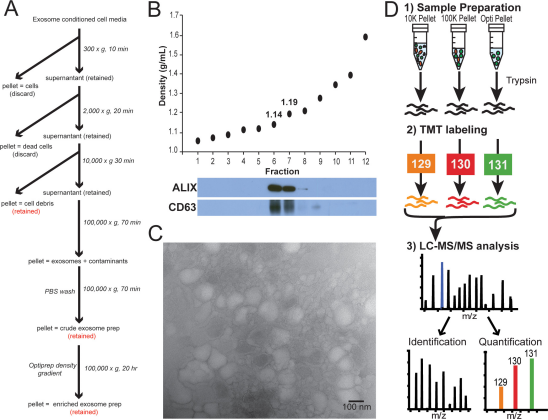
This study aims to systematically analyze the protein composition of breast cancer-related exosomes using Tandem Mass Tag (TMT) quantitative proteomics and multivariate cluster analysis, to redefine the proteomic characteristics of breast cancer exosomes. The research focuses on exosomes secreted by different subtypes of breast cancer cell lines. Exosomes were extracted using ultracentrifugation, and their morphology and marker proteins were confirmed by transmission electron microscopy and Western blotting. TMT labeling combined with high-resolution mass spectrometry was then used for high-throughput quantitative analysis of the exosomal proteins, followed by multivariate statistical and cluster analysis to explore the expression features and potential functions of exosomal proteins in different breast cancer subtypes. The results show that breast cancer exosomes are enriched with a range of specific proteins related to cell adhesion, signal transduction, and immune regulation, and that there are significant differences in the exosomal protein expression across different breast cancer subtypes. This reveals the association between exosomal proteins and subtype-specific mechanisms of breast cancer. The conclusion emphasizes that TMT quantitative proteomics combined with cluster analysis provides a systematic approach for in-depth study of the breast cancer exosome proteome, aiding in the discovery of potential diagnostic and therapeutic targets and advancing the development of precision medicine in breast cancer.
Clark, D J. Analytical Chemistry, 2015.
Figure 1. Overview of Exosome Isolation, Characterization, and TMT-Labeling Strategy to Elucidate Exosomal Protein Enrichment.
MtoZ Biolabs, an integrated chromatography and mass spectrometry (MS) services provider.
Related Services
Label-Based Protein Quantitative Service—iTRAQ, TMT, SILAC
Stable Isotope Labeling Service
Demo for Label-Based Exosomal Proteomics Service
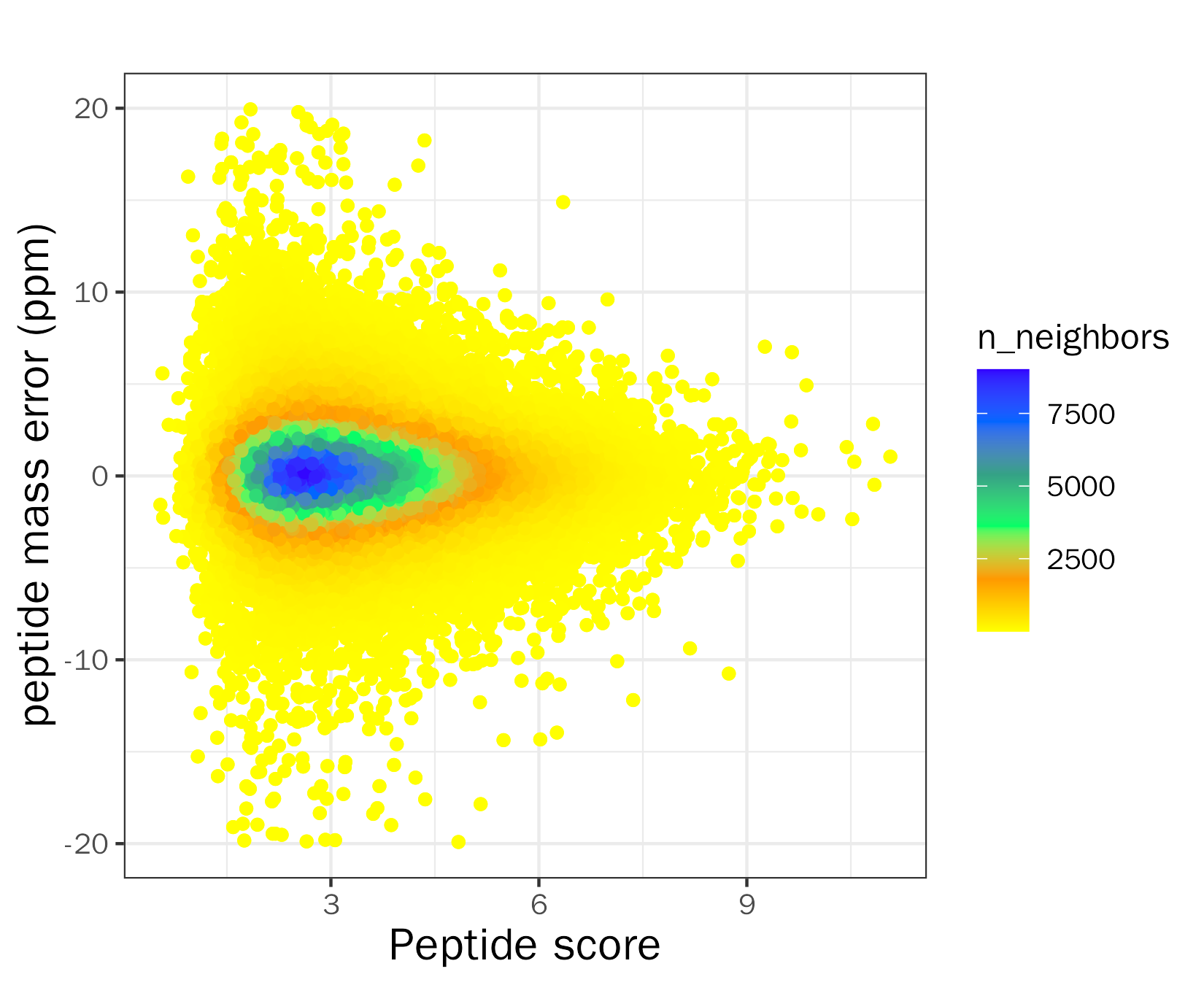
Peptide Mass Error Distribution
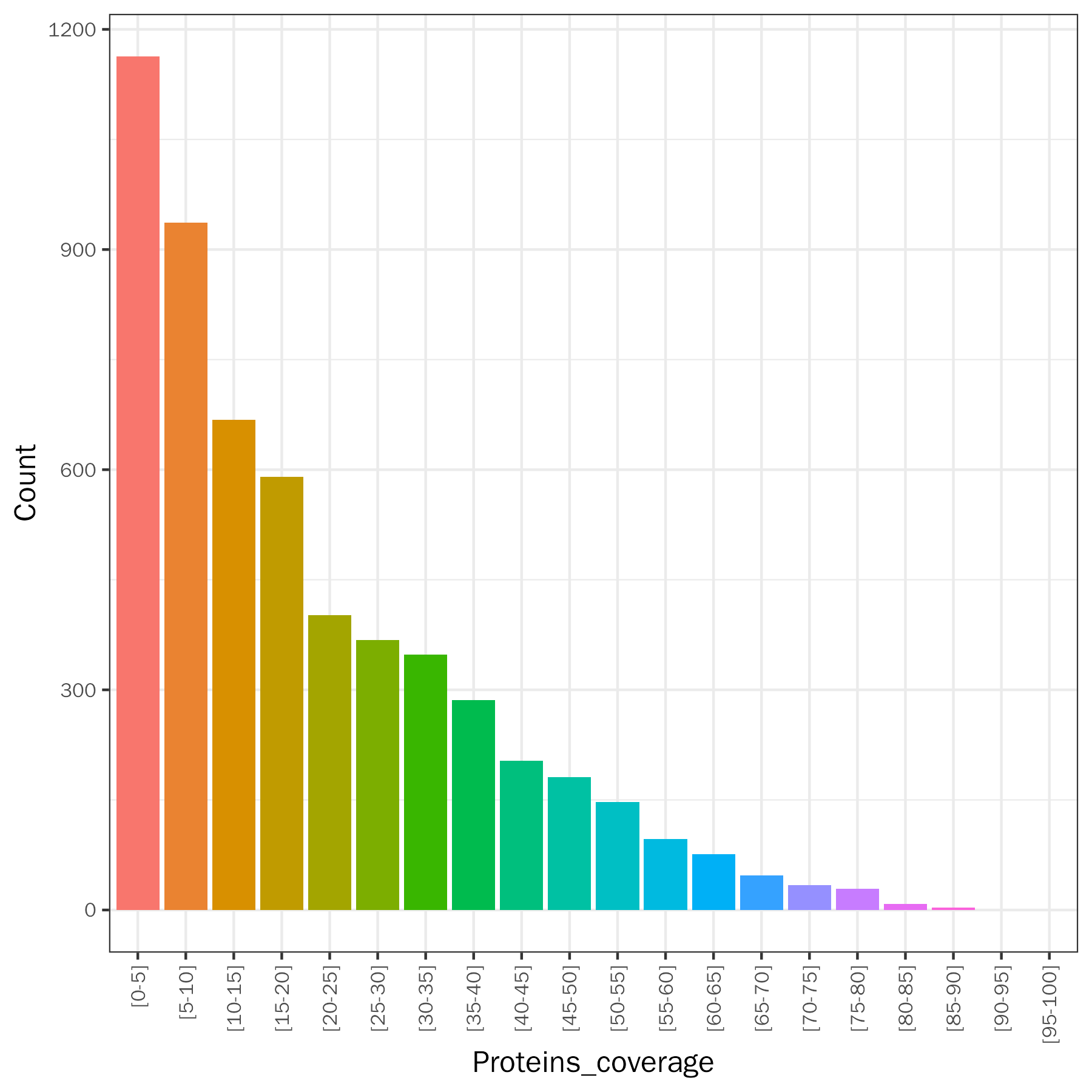
Protein Sequence Coverage Distribution
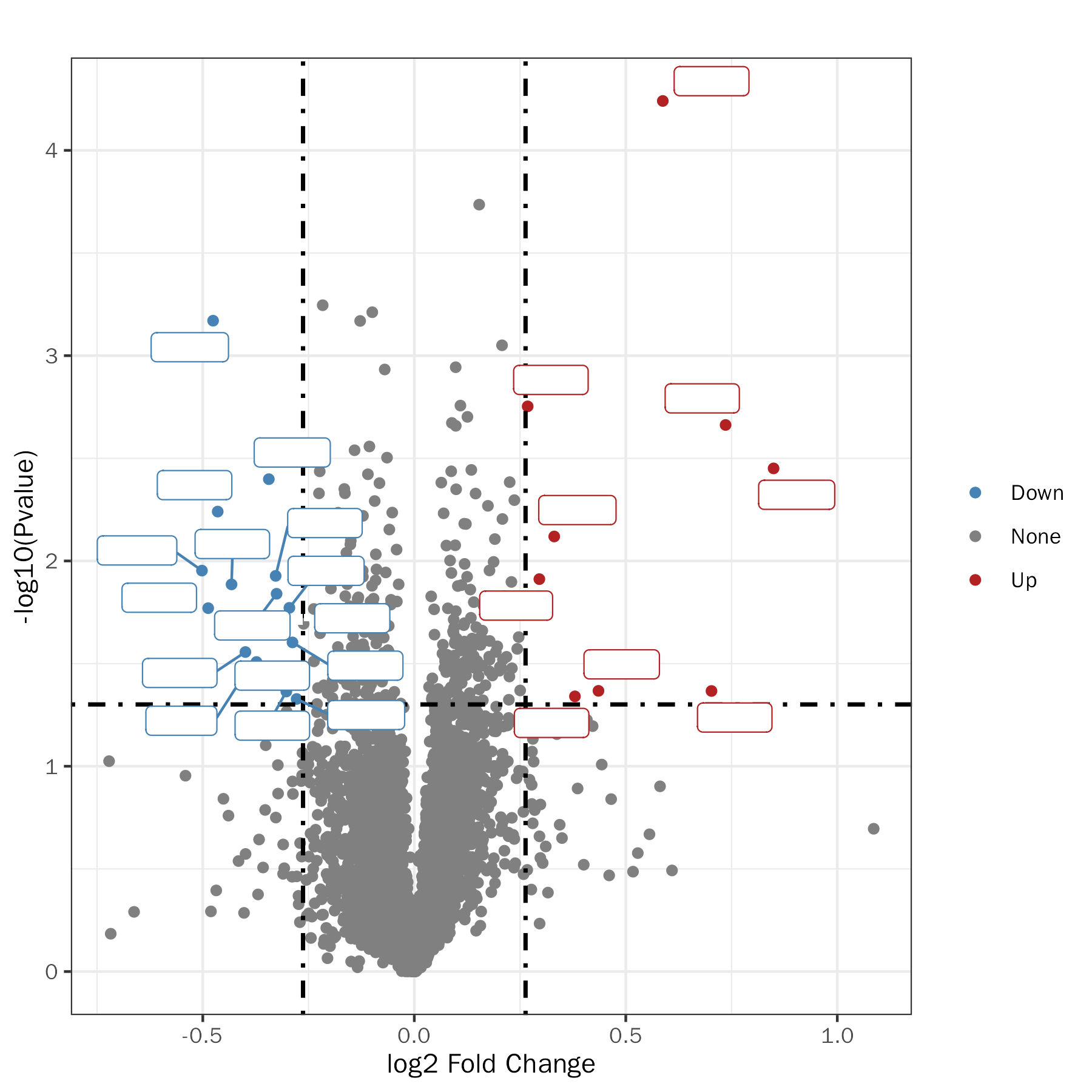
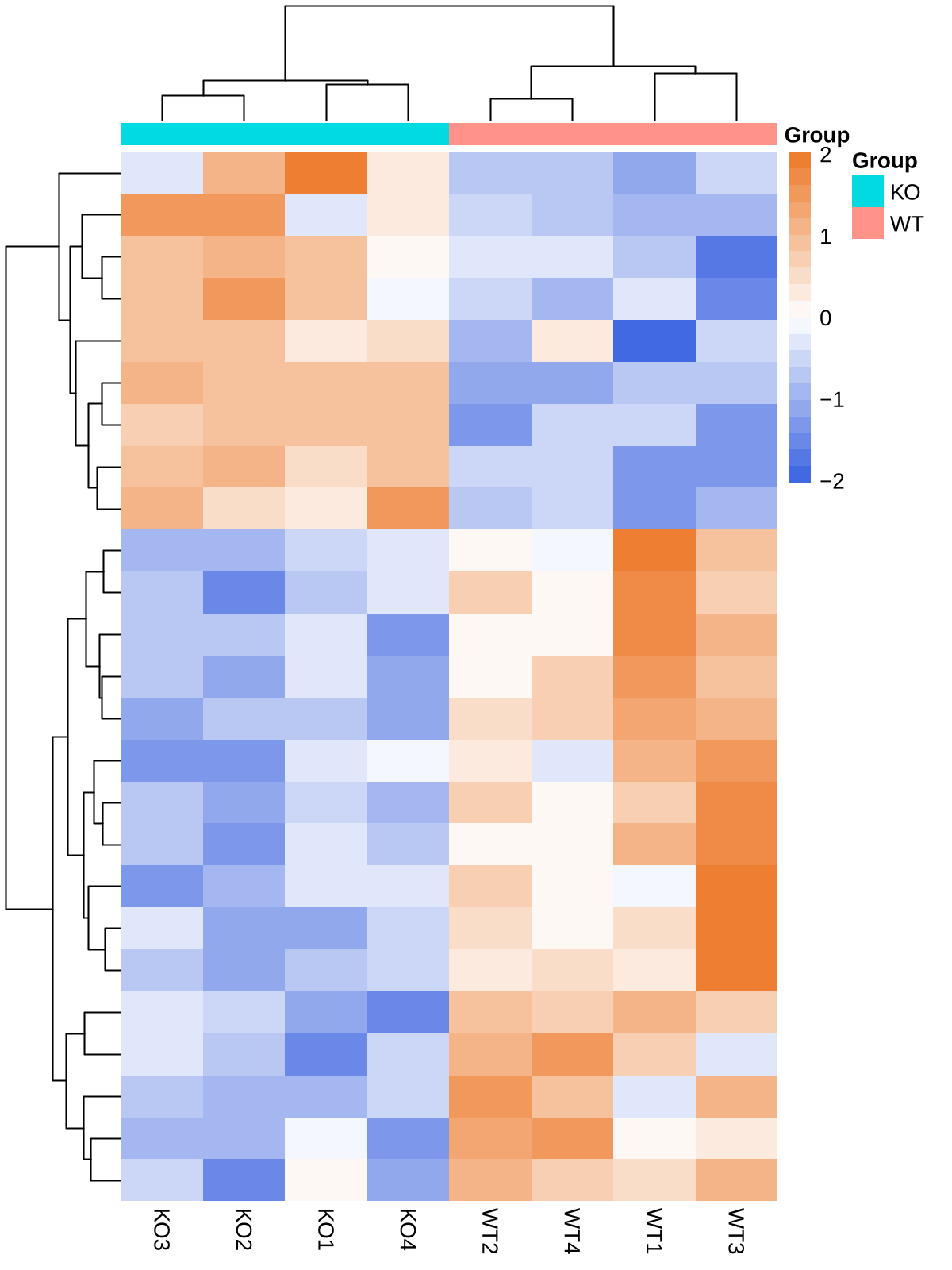
Volcano Plot of Differential Proteins