Tandem Mass Tag (TMT) Technology Service
MtoZ Biolabs provides Tandem Mass Tag (TMT) Technology Service for multiplexed relative protein quantification across defined experimental groups using isobaric labeling and LC-MS/MS.
Designed for treatment, phenotype, time-course, and other multi-group studies, with support from TMT labeling through protein identification and quantitative comparison.
- High-Resolution Orbitrap Platform for TMT Quantification
- Experienced Processing of Diverse and Challenging Samples
- Functional Bioinformatics and Multi-Omics Analysis Support
What Is Tandem Mass Tag (TMT) Technology
Tandem Mass Tags are isobaric chemical labels designed for multiplexed quantitative proteomics. Each TMT tag contains three functional regions: a peptide-reactive group, a mass balance group, and a reporter group. The peptide-reactive group attaches the tag to peptide primary amines, while the balance and reporter groups are designed so that different TMT labels have the same overall mass.
Peptides from different samples are labeled separately and then pooled for LC-MS/MS analysis. Because corresponding peptides carrying different TMT labels have equivalent overall mass, they can be detected together at the precursor level. During MS/MS fragmentation, the tags release sample-specific reporter ions. Differences in reporter-ion intensity provide quantitative information for the labeled samples. These signals are integrated with peptide and protein identification results to determine relative protein abundance across experimental groups.
This combination of isobaric labeling, reporter-ion detection, and multiplexed analysis makes TMT a useful strategy for structured comparative proteomics.
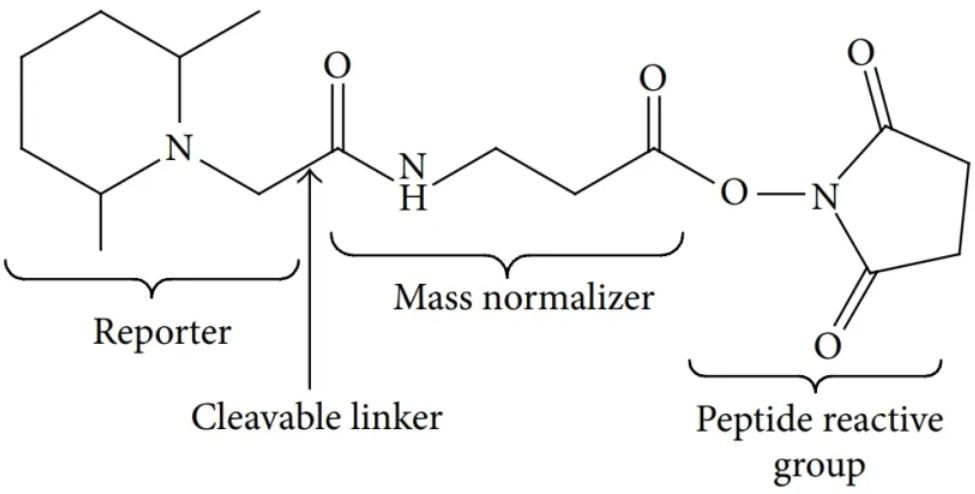
Figure 1. Chemical Structure of TMT Tags
When This Service Is a Good Fit
Tandem Mass Tag (TMT) Technology Service is particularly suitable for studies with clearly defined experimental groups and planned comparisons. Typical designs include:
1. Multiplex Comparative Proteomics
Suitable for coordinated relative quantification across multiple predefined biological groups.
2. Multi-Condition Perturbation Studies
Compare proteomic responses across treatments, doses, genetic perturbations, or environmental conditions.
3. Time-Resolved Proteome Profiling
Track dynamic protein abundance changes across multiple experimental time points.
4. Phenotype and Genotype Comparison
Compare protein abundance patterns across phenotypes, genotypes, strains, or engineered models.
5. Quantitative PTM Studies
Combine TMT labeling with appropriate enrichment workflows for relative PTM quantification.
6. Discovery-to-Follow-Up Studies
Screen differential proteins and prioritize candidates for subsequent targeted validation.
The suitability of TMT depends on factors such as sample number, group structure, available material, and the intended analytical outcome. These factors should be evaluated together to determine whether TMT is appropriate for a specific comparative proteomics study.
MtoZ Biolabs provides a Tandem Mass Tag (TMT) Technology Service using high-resolution Orbitrap mass spectrometry platforms, including Orbitrap Exploris 480 and Orbitrap Fusion Lumos, coupled with advanced LC separation systems. Supported by an experienced proteomics team, we provide TMT labeling, LC-MS/MS analysis, relative quantification, and downstream data interpretation for multi-group comparative studies, helping researchers achieve breakthroughs in complex scientific challenges.
Workflow of Tandem Mass Tag (TMT) Technology Service
MtoZ Biolabs delivers Tandem Mass Tag (TMT) Technology Service through a systematic and standardized workflow, ensuring precision and reproducibility at every stage:
1. Sample Preparation
Proteins are extracted from cells, tissues, or biological fluids, with each sample containing at least 50 μg of protein, verified by rigorous quantification protocols.
2. Enzymatic Digestion
Optimized trypsin digestion converts proteins into peptides under strictly controlled conditions to maintain peptide integrity and consistency.
3. TMT Labeling
Appropriate TMT tags are selected based on experimental design. Labeling efficiency and specificity are ensured through a robust labeling protocol and stringent quality control.
4. Sample Mixing
Labeled peptides are proportionally mixed to minimize variability and ensure uniformity, facilitating accurate downstream analysis.
5. Liquid Chromatography Fractionation
Peptides are fractionated using optimized HPLC methods, achieving high resolution for enhanced mass spectrometry analysis.
6. Mass Spectrometry Analysis
Advanced LC-MS/MS systems, such as the Thermo Fisher Orbitrap Fusion Lumos, perform high-sensitivity peptide identification and quantification, generating reliable data.
7. Data Analysis
Expert analysis using tools like Proteome Discoverer produces comprehensive quantitative reports, ensuring accurate interpretation of experimental results.
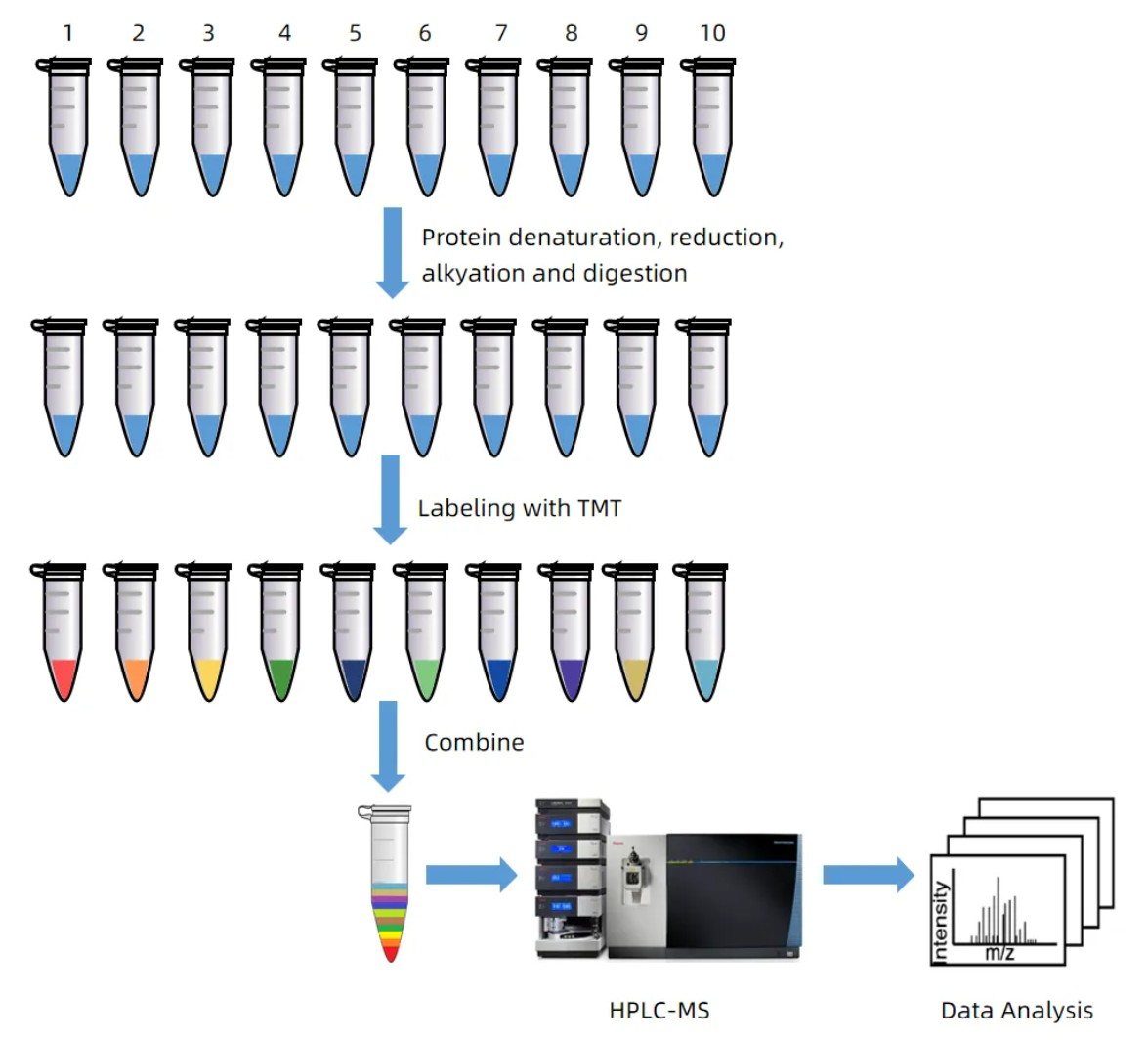
Figure 2. Workflow for Relative Quantification Using 10 plex TMT
Why Choose MtoZ Biolabs
1. Technical Advantages
- High Throughput: Analyze up to 10samples simultaneously in one experiment, significantly improving efficiency and speeding up analysis.
- High Sensitivity: Detect even low-abundance proteins with high sensitivity, ensuring comprehensive data coverage.
- Minimized Variation: Process all samples in the same mass spectrometry run to ensure consistent and comparable data.
- Precise Quantification: TMT tags enable accurate relative quantification through unique reporter ions in MS2 analysis.
- Wide Applicability: Suitable for diverse sample types, including cells, tissues, and biofluids, supporting various research needs.
2. Service Advantages
- Advanced Analysis Platform: MtoZ Biolabs established an advanced Tandem Mass Tag (TMT) analysis platform, guaranteeing reliable, fast, and highly accurate analysis service.
- Experience With Challenging Samples: We support diverse biological samples and have experience processing plant and animal tissues affected by polysaccharides, polyphenols, or high lipid content.
- High-Data-Quality: Deep data coverage with strict data quality control. AI-powered bioinformatics platform integrates all proteomics analysis data providing clients with a comprehensive data report.
- One-Time-Charge: Our pricing is transparent, no hidden fees or additional costs.
- Customized Service: Personalized workflows designed to fit project requirements and deliver reliable results.
Applications
MtoZ Biolabs’ Tandem Mass Tag (TMT) Technology Service supports a wide range of research applications, including:
1. Systems Biology
Quantitative proteome profiling across multiple conditions to support pathway- and network-level biological interpretation.
2. Functional Genomics
Compare proteomic consequences of gene knockout, knockdown, overexpression, or other genetic perturbations.
3. Pharmacoproteomics
Evaluate proteome-wide responses to compounds or treatment conditions and identify proteins associated with pharmacological effects.
4. Quantitative PTM Proteomics
Use TMT labeling together with modification-specific enrichment for comparative phosphorylation, acetylation, or other PTM studies.
5. Stress and Adaptation Research
Characterize proteomic responses to environmental, nutritional, chemical, or physiological stress conditions.
Sample Submission Suggestions
MtoZ Biolabs accepts a range of biological samples for Tandem Mass Tag (TMT) Technology Service. The following quantities are general recommendations for project planning.
|
Sample Type |
Recommended Quantity |
Minimum Quantity |
|
Animal Tissue |
20–100 mg |
10–50 mg |
|
Plant Tissue |
2–5 g |
1–2 g |
|
Cell Pellet |
1 × 10⁷ cells |
2 × 10⁶ cells |
|
Microbial Samples |
50 mg or 50 μL |
20 mg or 20 μL |
|
Serum/Plasma |
10–50 μL |
5–25 μL |
|
Urine |
1 mL |
0.5 mL |
|
Cerebrospinal Fluid |
0.1 mL |
0.05 mL |
|
Culture Supernatant |
10 mL |
5 mL |
|
FFPE Samples |
20 sections or 30 mg |
10 sections or 15 mg |
|
Extracted Protein Solution |
20 μL |
10 μL |
- Sample should be freezen and store at −80°C. Avoid repeated freeze–thaw cycles.
- Ship frozen samples on dry ice and maintain low temperature throughout transportation.
These are general recommendations rather than fixed requirements. Actual sample requirements may vary depending on sample type, available material, study design, and analytical objectives. Project-specific evaluation is recommended before sample submission. For extracted protein samples, information on protein concentration, volume, and sample composition should be provided in advance.
Deliverables
1. Protein Identification Results
Identification information generated from LC-MS/MS data.
2. Relative Quantification Results
Protein-level quantitative data across the submitted experimental samples.
3. Differential Protein Results
Differential protein lists with fold change, statistical significance, and comparison information.
4. Data Visualization
Project-relevant plots such as volcano plots, clustering heatmaps, and quantitative comparison figures.
5. Functional Analysis Results
GO and KEGG enrichment results, with additional database-supported analyses when applicable.
6. Project Report
Relevant QC information, experimental methods, processed results, figures, and analysis summaries.
7. Raw Data
Corresponding mass spectrometry data provided according to the agreed project scope.
FAQ
1. What factors can affect TMT quantitative results?
Sample quality, protein extraction, protein input, digestion, labeling consistency, sample complexity, and analytical batch structure can all influence quantitative comparability. Consistent sample preparation is therefore important for reliable interpretation.
2. Can TMT technology be used for non-model organisms?
Yes, when an appropriate reference protein database is available. Functional analyses such as KEGG enrichment or PPI network analysis may be limited when species annotation or database coverage is incomplete.
Start Your Project with MtoZ Biolabs
MtoZ Biolabs offers free project consultation for researchers planning TMT-based quantitative proteomics studies. Please provide the species, sample type, sample number, experimental groups, biological replicates, available sample or protein amount, planned comparisons, and main research objective.
We will evaluate sample suitability and analytical requirements and recommend an appropriate TMT-based strategy for your study.
