4D Label-free Quantitative Proteomics Analysis Service
MtoZ Biolabs provides 4D Label-Free Quantitative Proteomics using TIMS ion mobility separation and PASEF acquisition for global protein identification and relative quantification.
Designed for discovery and comparative proteomics, the service supports tissue, cell, microorganism, biofluid, and protein extract samples without isotopic or chemical labeling.
- TIMS-PASEF LC-MS/MS with ion mobility separation.
- l Protein ID, relative quantification, and differential analysis.
- Supports multiple biological sample types without labeling.
What Is 4D Label-Free Quantitative Proteomics?
4D Label-Free Quantitative Proteomics combines label-free relative quantification with TIMS (Trapped Ion Mobility Spectrometry). During LC-MS/MS analysis, TIMS separates peptide ions in the gas phase according to ion mobility and can provide collisional cross section (CCS) information as an additional ion property.
PASEF (Parallel Accumulation-Serial Fragmentation) allows ions to be accumulated in parallel and released sequentially for fragmentation, increasing MS/MS sampling efficiency. The resulting 4D data are commonly described by retention time, m/z, ion mobility, and signal intensity. Protein abundance is still evaluated using a label-free relative quantification strategy. TIMS-PASEF adds ion mobility separation and an additional acquisition dimension without introducing isotopic or chemical labels.
Services at MtoZ Biolabs
Using a high-resolution LC-MS/MS platform, MtoZ Biolabs integrates TIMS separation and PASEF acquisition into 4D Label-Free Quantitative Proteomics projects for global protein identification and relative quantification. MtoZ Biolabs can analyze tissue, cell, microorganism, biofluid, and protein extract samples and provide protein identification, relative abundance, differential protein results, and functional annotation when included in the project analysis plan.
When This Service Is a Good Fit
4D Label-Free Quantitative Proteomics is suitable for projects that need to:
- Compare global protein abundance across treatment groups, time points, genotypes, or other experimental conditions.
- Add ion mobility separation to improve peptide separation in complex proteomic samples.
- Analyze multiple sample groups without the channel-number constraints associated with isotopic or chemical labeling.
- Obtain protein identification, relative quantification, differential protein results, and project-specific functional analysis within one proteomics project.
4D Label-Free Quantitative Proteomics is primarily used for discovery and comparative proteomics. Targeted quantification of predefined proteins and multiplexed isobaric-label quantification require different quantitative approaches.
Workflow of 4D Label-Free Quantitative Proteomics
1. Sample Preparation and Protein Extraction
Prepare samples, extract proteins, and perform quality assessment according to sample type and project requirements.
2. Protein Digestion and Peptide Processing
Digest proteins and prepare peptides for LC-MS/MS analysis, including cleanup as required by the sample.
3. LC and TIMS Separation
Separate peptides by liquid chromatography and then by ion mobility in TIMS.
4. PASEF LC-MS/MS Acquisition
Acquire high-resolution MS and MS/MS data using PASEF acquisition.
5. Protein Identification and Label-Free Quantification
Identify peptides and proteins and calculate relative protein abundance from label-free mass spectrometric signals.
6. Differential and Functional Analysis
Compare protein abundance between experimental groups and perform differential protein statistics. Functional annotation and pathway analysis are included when specified in the project analysis plan.
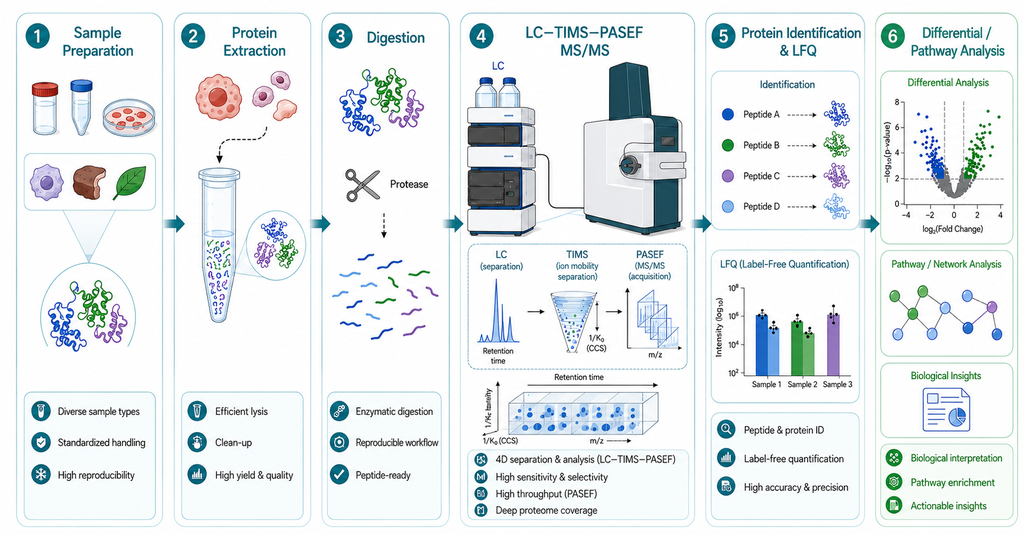
Figure 1. 4D Label-Free Quantitative Proteomics Workflow.
Why Choose MtoZ Biolabs?
1. TIMS-PASEF Analysis
TIMS ion mobility separation and PASEF acquisition are integrated into the 4D Label-Free LC-MS/MS workflow.
2. End-to-End Proteomics Workflow
MtoZ Biolabs supports sample processing, LC-TIMS-PASEF acquisition, protein identification, relative quantification, and differential analysis within one project.
3. Multiple Sample Types
Projects can be evaluated for animal tissue, plant tissue, microorganisms, cells, serum/plasma, urine, and protein extracts.
4. Project Data Delivery
Deliverables can include protein identification and quantification results, differential analysis, mass spectrometry parameters, project-specific functional analysis, and raw mass spectrometry data.
Sample Submission Suggestion
The following values are suggested submission amounts. Final requirements may vary with species, sample characteristics, sample preparation status, and project design.
|
Sample Type |
Suggested Amount |
|
Animal Tissue |
≥20 mg |
|
Plant Tissue |
≥2 g |
|
Microorganisms |
≥50 mg |
|
Cells |
≥1×10⁷ |
|
Serum/Plasma |
≥10 μL |
|
Urine |
≥1 mL |
|
Protein Extract |
≥20 μg |
For limited sample amounts, complex samples, or samples in which protein extraction has already been completed, provide the species, sample type, group design, biological replicates, sample amount, and existing sample-processing information before submission. The MtoZ Biolabs technical team will evaluate the sample conditions and project requirements.
Applications
1. Differential Protein Expression Studies
Compare relative protein abundance across treatment groups, disease models, developmental stages, or other experimental conditions.
2. Drug Response Studies
Evaluate protein abundance changes associated with drug treatment and identify proteins or pathways for subsequent investigation.
3. Genetic Perturbation Studies
Compare proteomic changes following gene knockout, overexpression, or other genetic perturbations.
4. Plant and Microbial Proteomics
Analyze protein abundance changes under different growth conditions, environmental stimuli, or stress treatments.
5. Biomarker Candidate Screening
Screen differential proteins as candidates for subsequent targeted validation or further research.
Deliverables
1. Experimental and Analytical Report
2. Mass Spectrometry Analysis Parameters and Related Data
3. Protein Identification and Relative Quantification Results
4. Differential Protein Statistical Analysis Results
5. Functional Annotation and Pathway Analysis Results (If Applicable)
6. Raw Mass Spectrometry Data
FAQ
Q1: What is the difference between 4D Label-Free and conventional Label-Free Quantitative Proteomics?
Both approaches use label-free relative quantification. 4D Label-Free adds TIMS ion mobility separation to LC-MS/MS and uses PASEF acquisition. The 4D data are commonly represented by retention time, m/z, ion mobility, and signal intensity.
Q2: How many sample groups can be analyzed by 4D Label-Free?
Label-free quantification is not constrained by isobaric labeling channel numbers. The appropriate number of groups and biological replicates depends on the research question, sample source, and statistical analysis requirements.
Q3: Can 4D Label-Free be used directly for post-translational modification quantification?
Standard 4D Label-Free projects focus on global protein identification and relative quantification. Quantification of PTMs such as phosphorylation, acetylation, or ubiquitination generally requires modification-specific enrichment and dedicated mass spectrometry workflows.
Q4: What information should be provided before project consultation?
Provide the species, sample type, group design, biological replicates, sample amount, existing sample-processing information, and research objective so that the technical team can evaluate sample preparation and the 4D Label-Free analysis plan.
For project consultation, provide species, sample type, group design, biological replicates, sample amount, sample-processing status, and research objective.
MtoZ Biolabs, an integrated chromatography and mass spectrometry (MS) services provider.
Related Services
Label-Based Protein Quantitative Service—iTRAQ, TMT, SILAC
Quantitative Peptidomics Service
Isotope Labeling-Based Quantitative Service
Demo for 4D Label-free Quantitative Proteomics Analysis Service
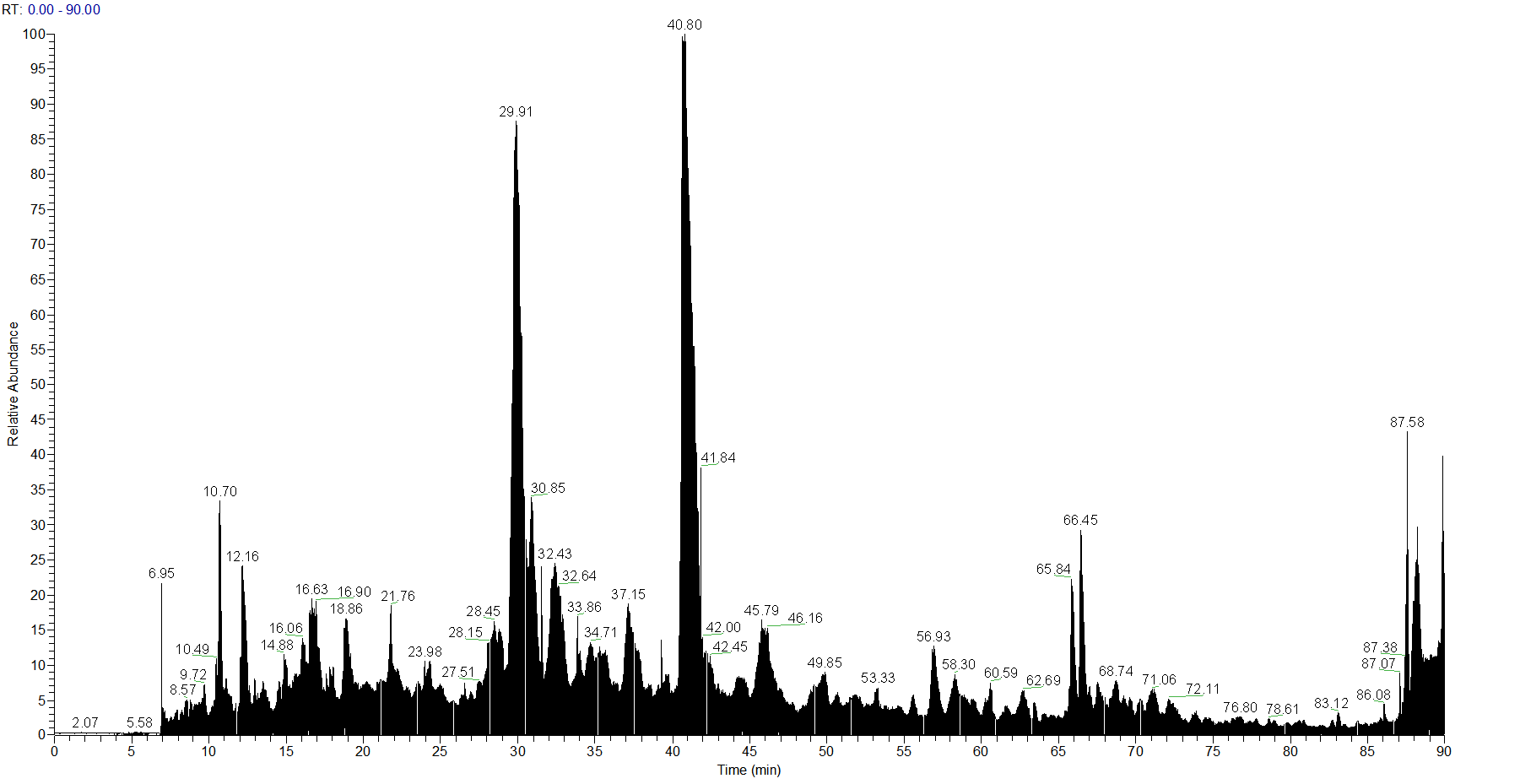
Total Ion Chromatogram
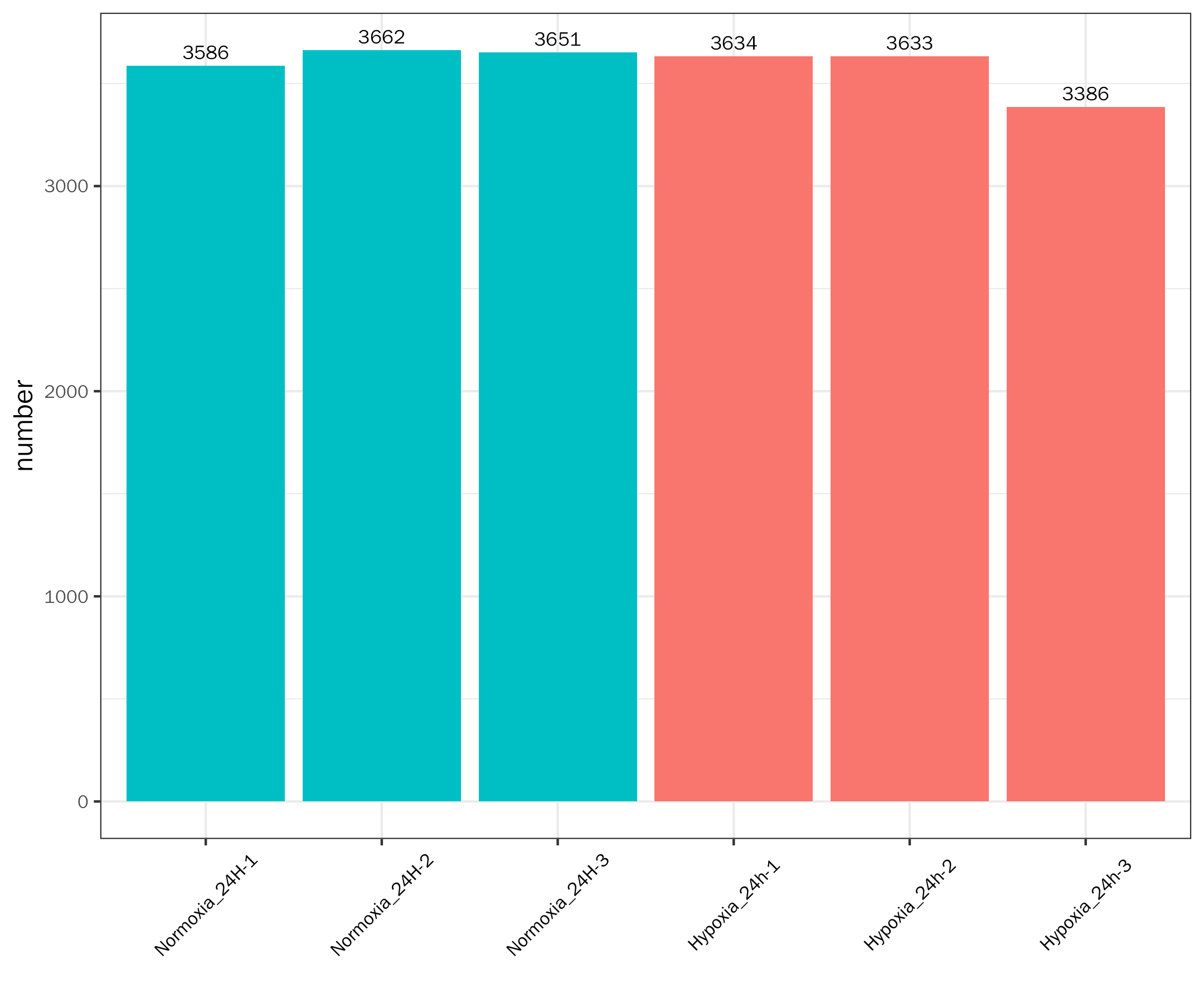
Protein Identification Summary
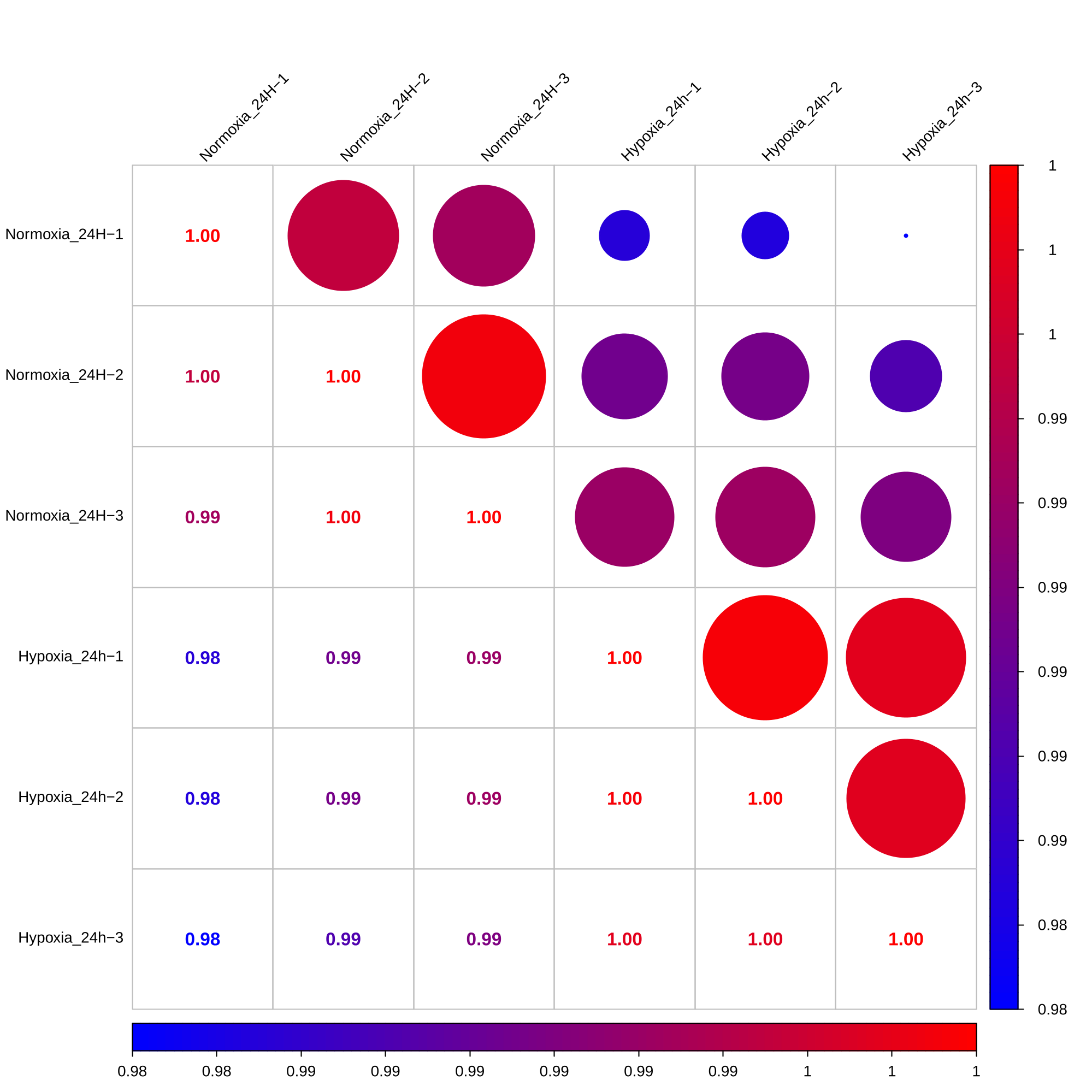
Pearson Correlation Analysis
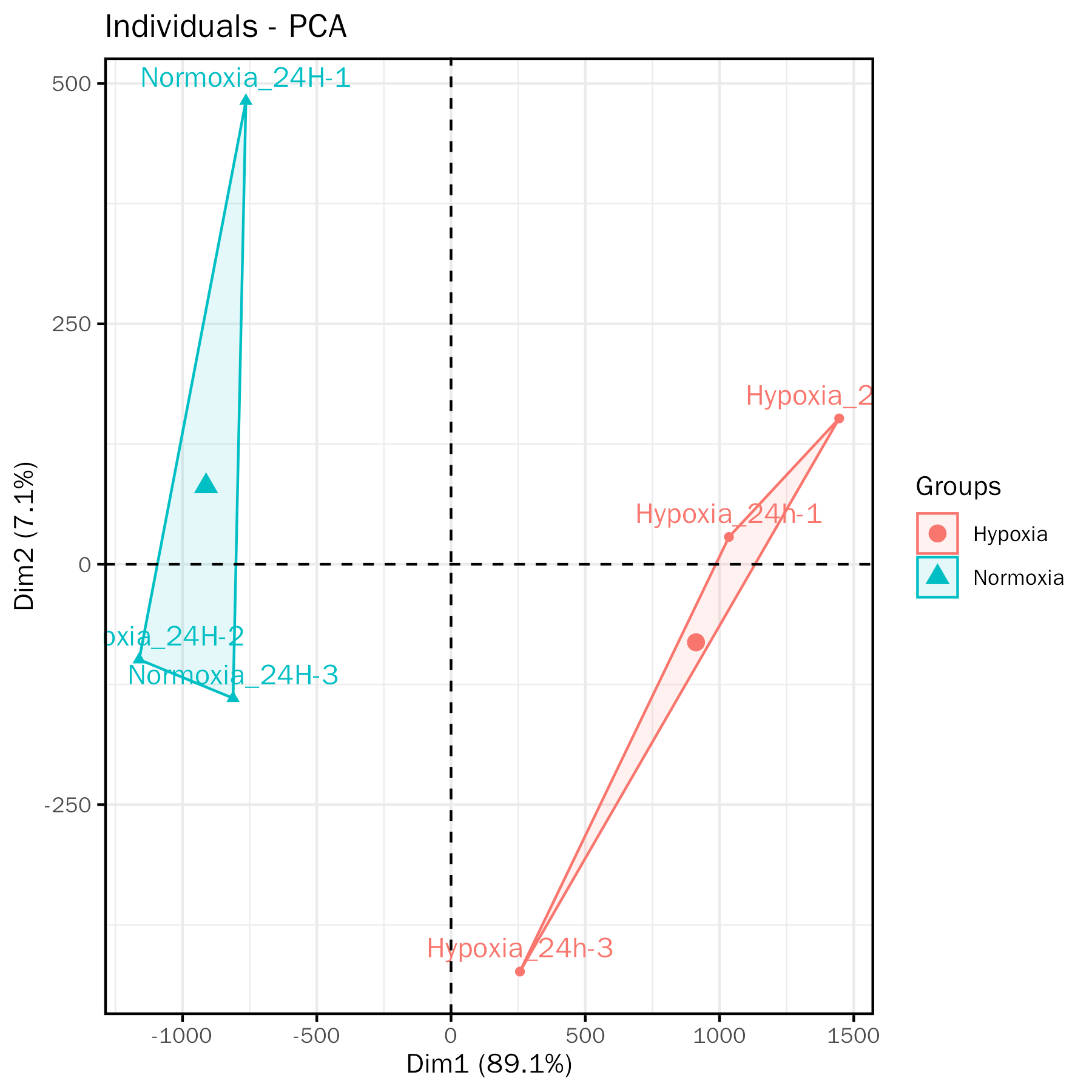
PCA Plot of Sample Grouping
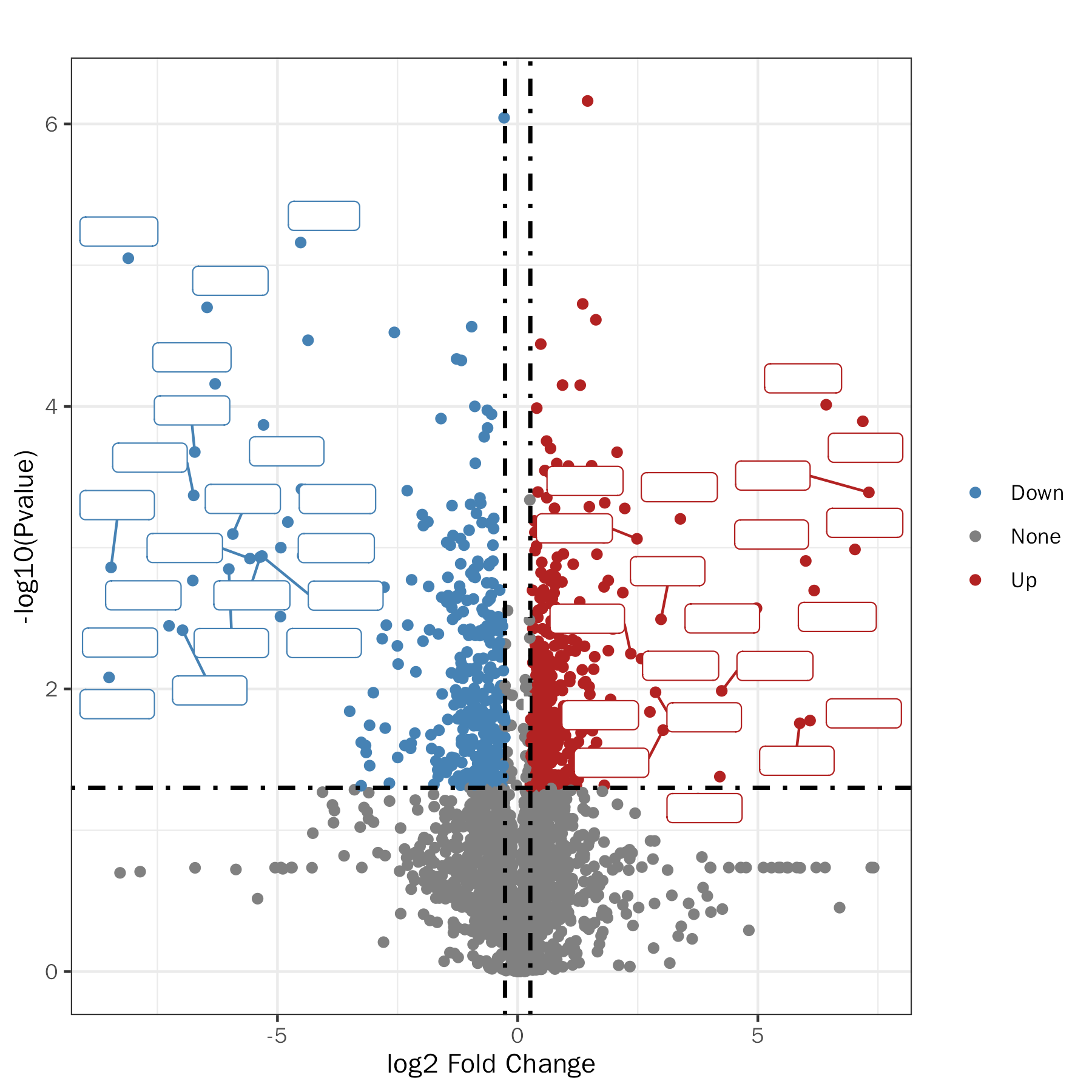
Volcano Plot of Differential Proteins