



Sixplex and 10-plex TMT proteomics are multiplex relative designs inside one isobaric kit size, not a ranked “10-level” accuracy ladder. Tandem mass tags (TMT) label digests with channel-specific tags so peptides from different samples share one precursor mass on liquid chromatography-tandem mass spectrometry (LC-MS/MS), then release reporter ions for within-plex ratios (Thompson et al. 2003). Classic TMT 6-plex and TMT 10-plex kits set how many channels exist in one mix; study design decides which biological samples, bridges, and quality control (QC) occupy those channels. Higher commercial plexes exist, but this guide centers comprehensive project framing for 6-plex and 10-plex scale work. It is not a claim that tags are routinely attached to intact proteins before digest, not a sensitivity contest between kit sizes, and not a promise that ten channels automatically beat six.
Ratio compression from co-isolated precursors remains a known MS2 limit; MS3 or synchronous precursor selection MS3 (SPS-MS3) can reduce that mixing on compatible instruments (Ting et al. 2011; McAlister et al. 2014). Unmatched extraction or protein load still breaks reporter biology after normalization (Bantscheff et al. 2012).
In MtoZ Biolabs quantitative offerings, 6-plex or 10-plex TMT work is scoped after channel map, matrix, relative claim, fractionation plan, and QC design are written in the brief. Service intake appears in TMT Quantitative Proteomics Analysis Service.
What 6-Plex and 10-Plex TMT Projects Must Cover
Four layers belong in the brief and stay separated.
Contrast layer freezes groups, replicates, and the relative claim inside the plex. Kit size is not a biological result.
Plex-and-channel layer names 6-plex versus 10-plex (or why a larger kit is out of scope), which samples occupy which tags, and bridge or reference channels if more than one plex is required. Moving from six to ten channels changes layout pressure, not the chemistry class.
Prep-and-label layer names matched extraction, digest, labeling completeness, quench, and amine-compatible buffers before N-hydroxysuccinimide (NHS) tagging.
Acquisition-and-report layer names MS2 versus MS3 reporters, fractionation if used, search settings, and whether named hits will later move to targeted verification.
A 10-plex mix holds more channels than a 6-plex mix. It does not create a higher “level” of proteomics by itself.
Broader TMT project framing appears in Protein Quantification Technology-TMT Labeling Quantitation. Extraction gates appear in Protein Extraction for TMT/iTRAQ. This page stays on comprehensive 6-plex / 10-plex design.
How Kit Size Changes Design Pressure, Not Claim Units
Six-plex and 10-plex share isobaric reporter logic and differ mainly in channel count.
Use 6-plex when the contrast fits six tags with room for a reference or QC channel, or when legacy methods and instrument methods are already locked to that kit.
Use 10-plex when more groups or replicates must share one chromatographic path without immediately splitting into multiple plexes. Ten channels still need randomization and, for multi-plex cohorts, bridges.
Neither kit reports absolute protein amount by default. Neither removes ratio compression. Choosing ten channels to “improve precision” without matched prep is a design error. When MS2 pilots show compression, MS3 planning matters more than buying another two tags; detail appears in TMT MS3 and SPS-MS3: How to Mitigate Ratio Compression and Enhance Quantitative Accuracy.
End-to-End Workflow for 6-Plex or 10-Plex TMT
A practical plex-centered spine usually runs as follows.
- Freeze contrast, biological n, and relative claim.
- Choose 6-plex or 10-plex from channel need, not from a marketing “level.”
- Draft the channel map, including reference or bridge tags if multiple plexes are required.
- Match extraction and protein load; digest under locked enzyme rules.
- Label each channel, quench, and mix; confirm labeling completeness on pilots.
- Fractionate when depth is required; keep the recipe matched across plexes.
- Acquire MS2 or MS3 reporter methods with isolation settings locked from the pilot.
- Extract reporters, normalize, and test only the predefined contrast.
- Stop and redesign the map if channels are overloaded, bridges fail, or compression erases contrasts.
Steps 1 through 5 protect the labeled sample record. Steps 6 through 9 produce the multiplex quantitative record.
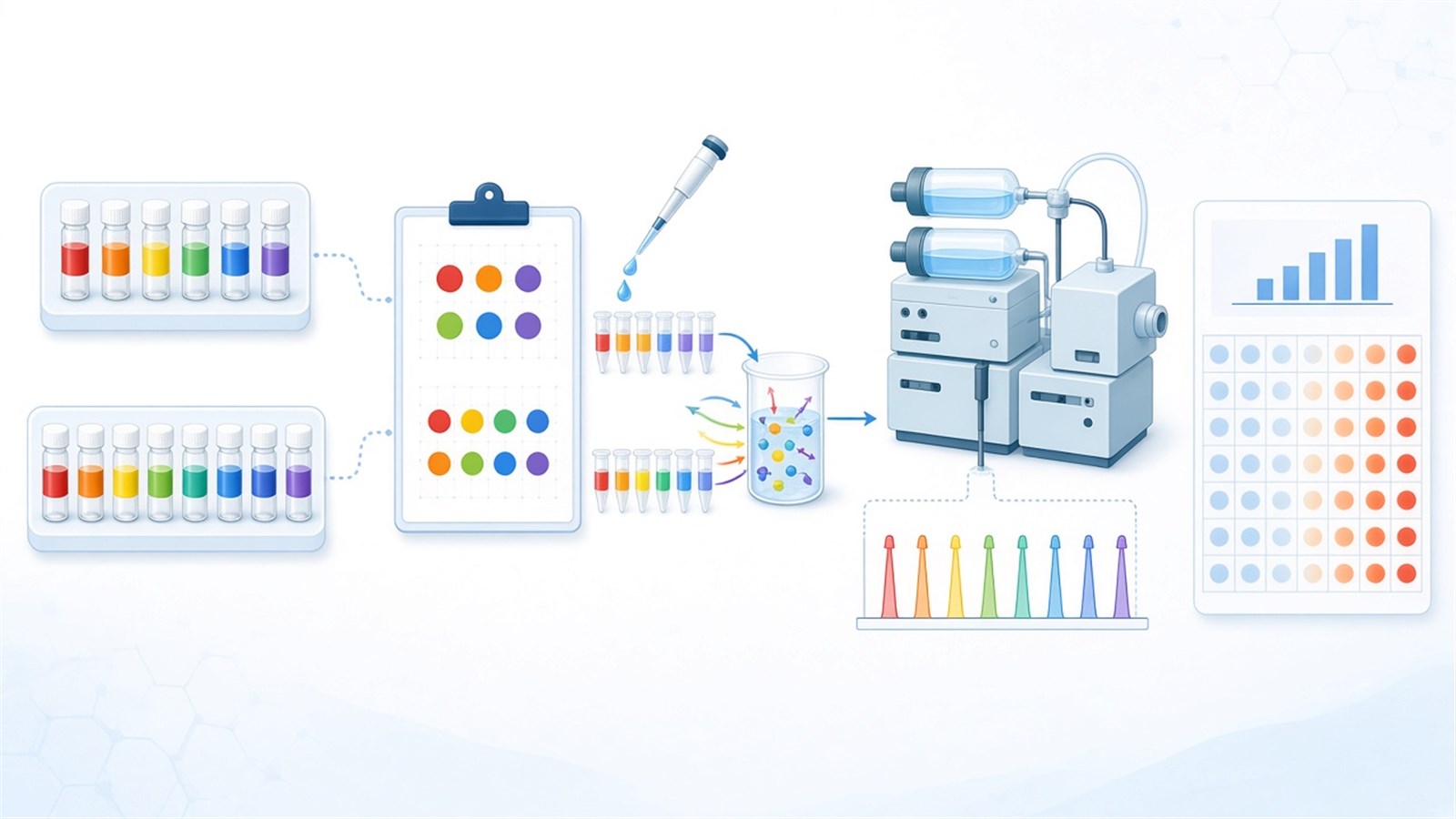
Figure 1. 6-plex and 10-plex TMT share one workflow spine; kit size only changes how many channels the map must fill.
Parameters That Must Be Locked for 6-Plex / 10-Plex TMT
Layer |
Parameter that must be declared |
Failure mode if ignored |
|---|---|---|
Kit |
6-plex vs 10-plex version |
Channels forced into wrong kit |
Channel map |
Sample-to-tag assignment |
Channel bias as biology |
Bridge |
Reference design across plexes |
Multi-plex batches not comparable |
Load |
Matched protein input |
Systematic reporter offset |
Labeling |
Completeness and quench |
Incomplete tags in some channels |
Isolation |
MS2 window or MS3 strategy |
Ratio compression |
Fractionation |
Recipe matched per plex |
Depth bias between batches |
QC |
Pools, bridges, blanks |
Undetected prep or MS drift |
Software |
Reporter extraction settings |
Irreproducible reprocessing |
Deliverable |
Channel map and method file |
Report rebuilt after acquisition |
Limits follow the same table. Duplicate “LC-MS/MS” and “mass spectrometry analysis” steps do not add information; one locked acquisition method does. HPLC fractionation reduces complexity; it does not replace matched prep. Clinical or time-course slogans need separate study design beyond the plex table.
How to Choose 6-Plex Versus 10-Plex TMT
Use channel need, bridge plan, claim unit, and compression risk together.
Project need |
Route that often fits |
Recheck before committing |
|---|---|---|
≤6 channels including QC/reference |
TMT 6-plex |
Buy 10-plex and leave tags empty without a plan |
7–10 channels in one mix |
TMT 10-plex |
Split awkwardly across two 6-plexes without bridges |
>10 samples with shared reference |
Multi-plex 10-plex (or larger kit) + bridges |
One 10-plex without a bridge design |
Strong MS2 compression on pilot |
Add MS3 / SPS-MS3 plan |
Add channels hoping precision appears |
Absolute amount on named peptides |
Targeted SIS methods |
Reporter height as concentration |
Expanding unlabeled cohort |
LFQ/DIA instead |
Force every new sample into one 10-plex |
Extraction recipe still drifting |
Fix prep first |
Lock either plex under changing loads |
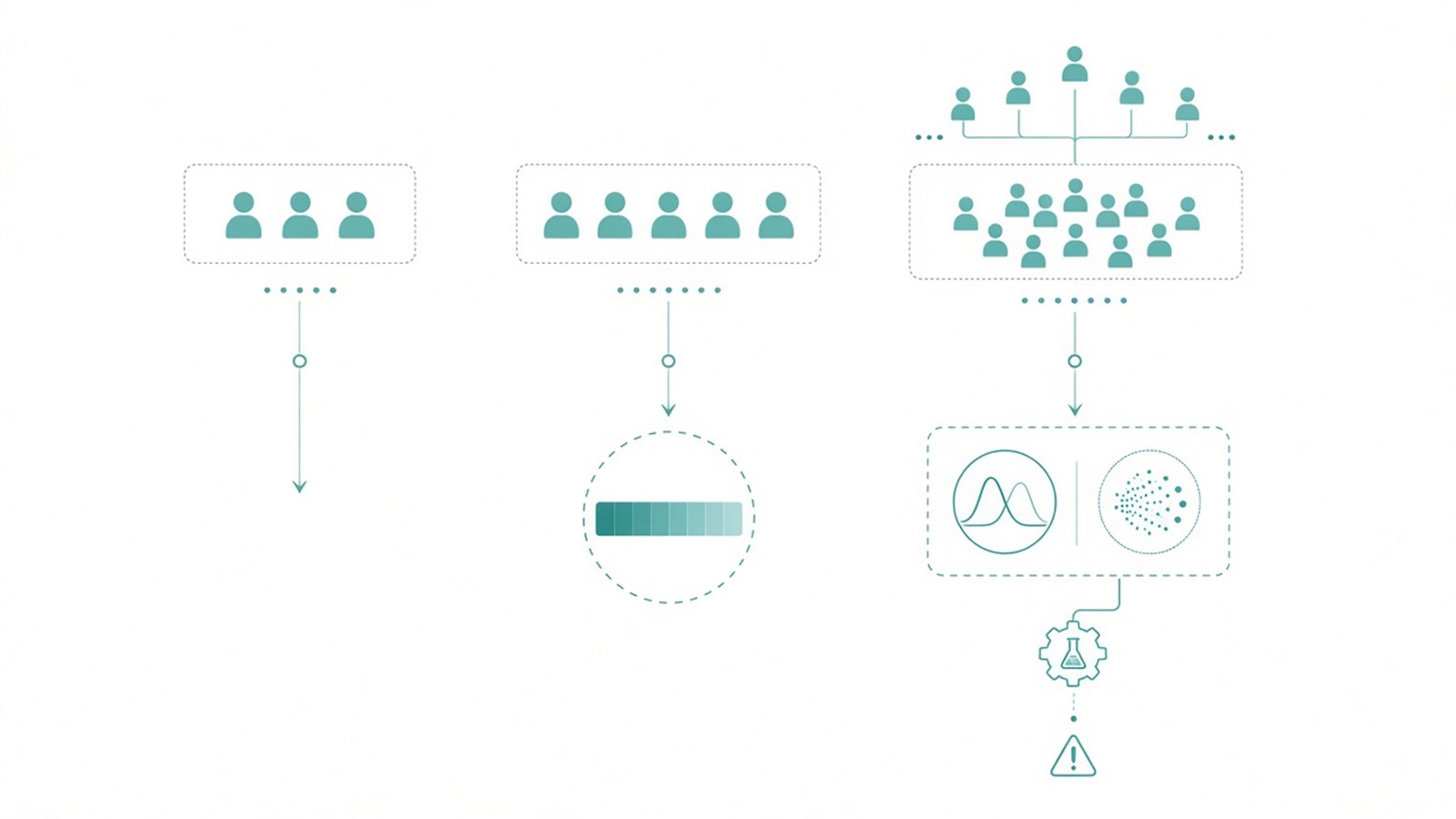
Figure 2. Choose kit size from the channel map; keep MS3 or label-free routes when compression or cohort growth changes the need.
Teams with 6-plex or 10-plex channel maps and matched-load plans can review MtoZ Biolabs TMT service entry when those fields are declared in the project record.
Frequently Asked Questions
1. Is “10-level TMT” a higher accuracy tier than 6-plex?
No. 10-plex means up to ten isobaric channels in one kit mix. Accuracy still depends on matched prep, isolation purity, and declared contrasts.
2. Are TMT tags attached to intact proteins or to peptides?
Standard discovery TMT workflows label peptides after digest. Calling both casually without stating the step confuses the method record.
3. Does a 10-plex run remove batch effects better than 6-plex?
Mixing reduces run-to-run variance inside that plex. Larger kits help only when the channel map actually fits the contrast; multi-plex studies still need bridges.
4. Can empty channels in a 10-plex replace a proper 6-plex design?
Empty tags can serve as controls, but leaving four channels unused is not automatically better than a planned 6-plex map.
5. When should projects skip both 6-plex and 10-plex TMT?
When samples must stay unlabeled and the cohort may grow beyond plex redesign, or when a closed targeted assay is the real claim.
MtoZ Biolabs can discuss 6-plex and 10-plex TMT scoping when channel maps, matrix, and contrast are documented.
If further evaluation of plex size, bridges, or MS3 options is needed, project details can be submitted for a feasibility review.
Reference
- A. Thompson, J. Schäfer, K. Kuhn, S. Kienle, J. Schwarz, G. Schmidt, T. Neumann, R. Johnstone, A.K. Mohammed, C. Hamon (2003). Tandem mass tags: a novel quantification strategy for comparative analysis of complex protein mixtures by MS/MS. Anal. Chem., 75, 1895-1904. https://doi.org/10.1021/ac0262560
- L. Ting, R. Rad, S.P. Gygi, W. Haas (2011). MS3 eliminates ratio distortion in isobaric multiplexed quantitative proteomics. Nat. Methods, 8, 937-940. https://doi.org/10.1038/nmeth.1714
- G.C. McAlister, D.P. Nusinow, M.P. Jedrychowski, M. Wühr, E.L. Huttlin, B.K. Erickson, R. Rad, W. Haas, S.P. Gygi (2014). MultiNotch MS3 enables accurate, sensitive, and multiplexed detection of differential expression across cancer cell line proteomes. Anal. Chem., 86, 7150-7158. https://doi.org/10.1021/ac502040v
- M. Bantscheff, S. Lemeer, H.U. Haab, B. Kuster (2012). Quantitative mass spectrometry in proteomics: a critical review. Anal. Bioanal. Chem., 404, 939-965. https://doi.org/10.1007/s00216-012-5892-4
