



Fecal Proteomics in Intestinal Research and Biomarker Discovery
Fecal proteomics characterizes intestinal host responses, investigates disease-associated protein changes, and identifies candidates for further research. Stool protein profiles can inform studies of immune and inflammatory responses, epithelial changes, and disease-related patterns. This article reviews intestinal applications and follow-up evaluation of discovery-stage candidates.
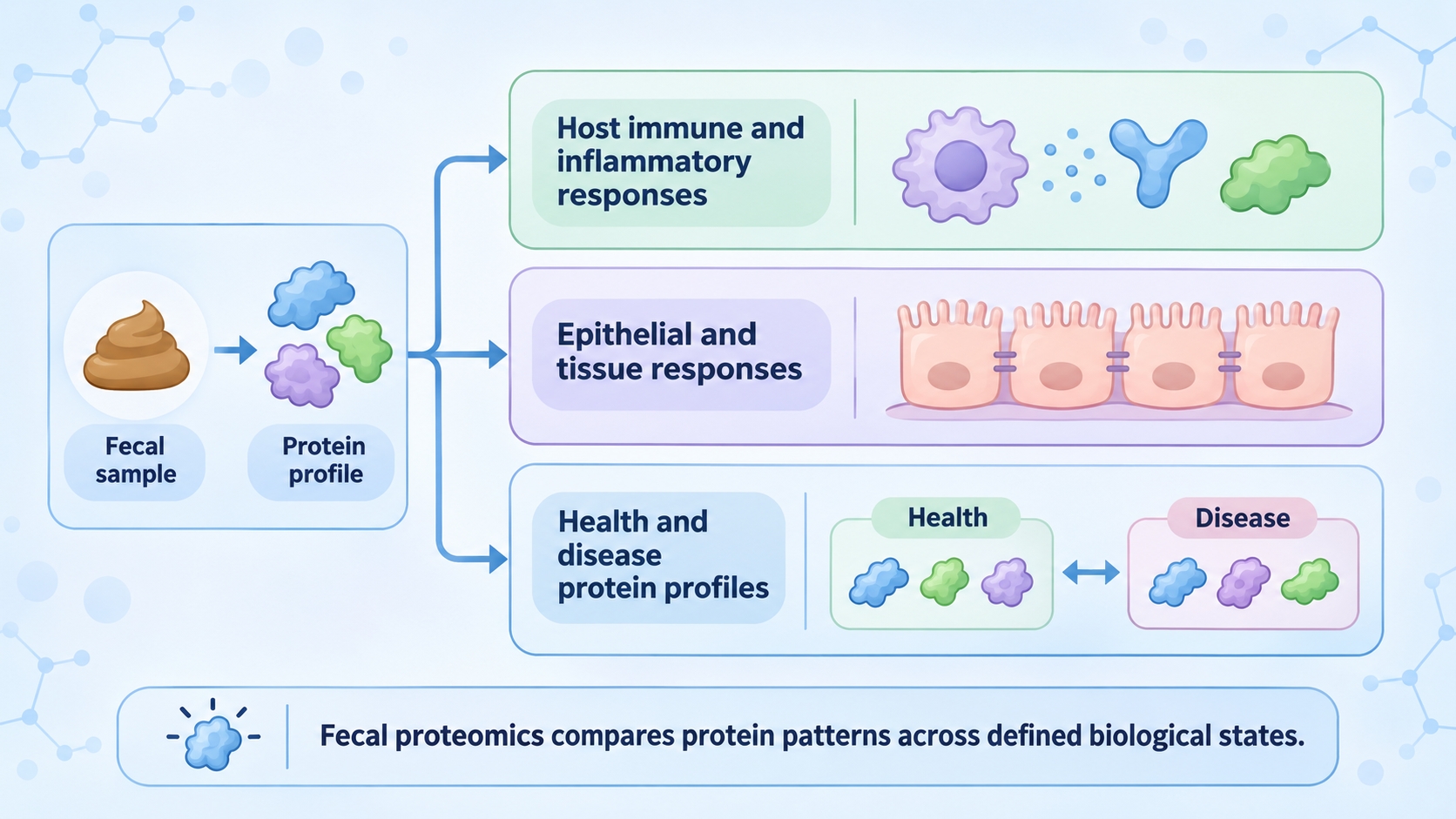
Figure 1. Major types of intestinal research information revealed by fecal proteomics.
What Can Fecal Proteomics Reveal in Intestinal Research?
Fecal proteomic profiles can provide information about host immune and inflammatory responses, epithelial and tissue-associated changes, and protein differences across healthy, disease-associated, or other defined study states.
1. Host Immune and Inflammatory Protein Profiles
Fecal proteomics profiles host proteins associated with immune activity, inflammation, mucosal defense, and antimicrobial activity. Comparing these proteins across study groups helps characterize host-response components represented in stool and how abundance patterns vary with the condition under study. Detected signals may relate to leukocyte activity, complement responses, antimicrobial defense, and the mucosal environment.
Related proteins are often more informative when considered together. Coordinated changes in immune, inflammatory, and mucosal-defense proteins can outline a broader host-response profile and help identify candidates for further investigation. In intestinal inflammation research, this combined view can show which aspects of the host response are most evident in fecal samples.
2. Epithelial Barrier and Intestinal Tissue Responses
Proteins associated with intestinal epithelial cells, mucosal maintenance, cell turnover, extracellular matrix, and tissue remodeling provide another view of host responses in fecal samples. Comparing these proteins across research groups can reveal epithelial- and tissue-associated patterns that vary with the condition under study. These findings can guide research into epithelial injury, mucosal renewal, and tissue responses alongside other measurements of epithelial integrity or tissue status.
3. Protein Profiles Across Health and Disease States
Comparative fecal proteomics examines protein profiles across healthy, disease-associated, or other predefined biological states. The analysis can identify recurring signals, group-associated proteins, and patterns observed across more than one condition. These observations help define protein features relevant to the research question and provide a starting point for disease-focused investigation.
Broad profile comparisons help identify candidate signals, while interpretation of individual proteins requires biological context. For a focused discussion of host- and microbial-derived protein information, see Host and Microbial Protein Profiles in Fecal Proteomics.
Applications in Intestinal Disease Research
Disease-focused studies use fecal proteomics to investigate host-response patterns associated with intestinal conditions and identify protein changes for further study. Inflammatory bowel disease (IBD) and colorectal neoplasia are two research areas in which stool protein profiles can support disease-related investigation and candidate discovery.
1. Intestinal Inflammation and IBD Research
IBD studies use fecal proteomics to characterize host protein responses associated with intestinal inflammation and investigate variation among Crohn's disease, ulcerative colitis, and control samples. Researchers can examine groups of proteins related to immune activity, mucosal defense, epithelial responses, and tissue remodeling, rather than relying on one inflammation-associated protein.
Fecal proteomics can contribute to several IBD research aims:
- Characterizing inflammatory responses: profiling coordinated immune- and inflammation-associated protein changes in IBD samples relative to controls.
- Investigating disease subtypes: examining whether Crohn's disease and ulcerative colitis show different combinations of immune, mucosal-defense, or epithelial-associated proteins, helping explore IBD heterogeneity.
- Examining intervention-associated changes: comparing samples collected before and after an intervention, or across treatment and control groups, to investigate changes in fecal host-response profiles.
These analyses can define candidate targets for further IBD research. Group selection and comparison plans should follow the research question; see Experimental Design for Fecal Proteomics Studies for guidance on study groups and comparisons.
2. Colorectal Cancer and Adenoma Research
In colorectal neoplasia research, fecal proteomics can investigate protein changes associated with adenomas and colorectal cancer. Studies may compare stool samples from control, adenoma, and cancer groups to identify protein signals associated with different lesion categories and characterize profiles represented in fecal material.
Common research aims include:
- Adenoma-focused profiling: identifying fecal proteins associated with adenoma samples relative to controls, to investigate protein changes represented in early colorectal lesions.
- Cancer-associated profiling: examining protein patterns in colorectal cancer groups and identifying signals that distinguish cancer-associated profiles from non-neoplastic or adenoma-associated profiles.
- Candidate selection across lesion groups: prioritizing proteins with reproducible patterns in adenoma, cancer, or both groups for evaluation in additional samples.
These applications support research into colorectal disease-associated protein profiles and candidate selection for follow-up. Interpretation should reflect the sample groups and study design.
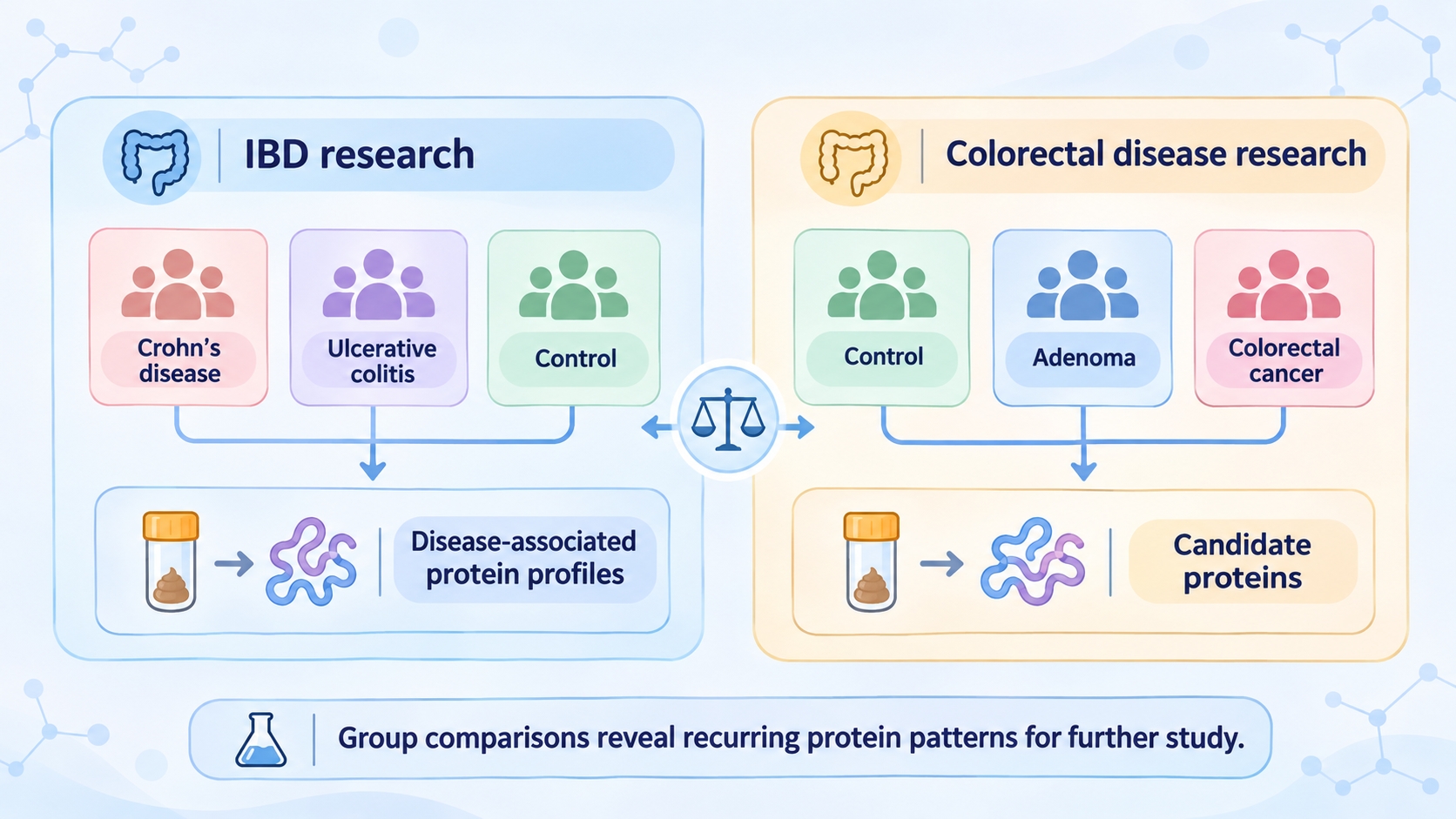
Figure 2. Representative disease-related applications of fecal proteomics in intestinal research.
Candidate Biomarker Discovery from Fecal Proteomic Profiles
Candidate discovery narrows a broad fecal proteomic dataset to proteins that address the research question and warrant focused follow-up. The aim is to prioritize research candidates, not to treat every statistically different protein as equally informative.
1. Discovery of Candidate Fecal Protein Biomarkers
Candidates may emerge from several types of discovery-stage evidence:
- Reproducible abundance differences across samples in a defined disease-related or experimental comparison.
- Coordinated changes among related proteins that provide a broader view of an immune, inflammatory, epithelial, or tissue-associated response.
- Protein signals that connect directly with the intestinal research question being investigated.
2. Evaluating Candidate Proteins for Further Research
Candidate prioritization combines several types of evidence rather than relying on one ranking measure or the size of an abundance change alone. The following dimensions provide a practical basis for evaluating whether a protein merits further investigation.
|
Evaluation factor |
What to examine |
|
Research relevance |
Whether the protein directly addresses the original intestinal or disease-related question |
|
Pattern consistency |
Whether the direction of change is reproduced across relevant samples rather than driven by a few specimens |
|
Change profile |
Whether the observed direction and magnitude provide a meaningful signal for follow-up |
|
Biological context |
Whether existing biological knowledge supports a plausible relationship to the research question |
|
Independent support |
Whether previous studies or additional datasets provide supporting evidence |
Candidates supported across several dimensions provide a stronger basis for follow-up than proteins selected only for a large abundance difference. A moderate change that recurs across relevant samples and fits the research question may deserve closer attention than a larger change driven by a small subset. The candidate list should reflect the purpose of the next study and the evidence available for each target.
Follow-Up Validation of Candidate Fecal Proteins
Follow-up studies examine whether discovery-stage candidates remain informative beyond the original dataset and whether selected proteins are suitable for targeted measurement. Independent sample sets and parallel reaction monitoring (PRM) provide complementary approaches for further candidate evaluation.
1. Validation in Independent Sample Sets
An independent sample set examines candidate patterns beyond the discovery samples. The evaluation focuses on whether a candidate remains detectable and whether its direction and relative abundance pattern recur. This is useful when the original cohort is limited or a candidate needs assessment in a separate sample set.
Interpretation should consider candidate detectability, reproduction of the abundance pattern, and comparability of sample origin, group characteristics, and disease definitions. Recurrent patterns in an independent set strengthen the evidence for further research and help determine whether targeted follow-up is warranted.
2. Targeted Validation with PRM
PRM is a targeted mass spectrometry approach for selected candidate proteins. After candidate proteins and suitable peptides are identified, PRM monitors selected precursor and fragment-ion signals across additional samples. The targeted design focuses measurement on a defined candidate list rather than surveying the full proteome.
MtoZ Biolabs supports PRM targeted validation for suitable fecal protein candidates. Candidate suitability depends on target detectability, peptide suitability, sample condition, and the research objective. PRM can provide focused peptide-level evidence when the next research question concerns a limited set of proteins, such as comparing selected candidates across additional study samples.
PRM is one possible follow-up approach rather than a required step for every discovery-stage candidate. The decision to use targeted measurement should follow the discovery evidence and the question the next study is designed to address.
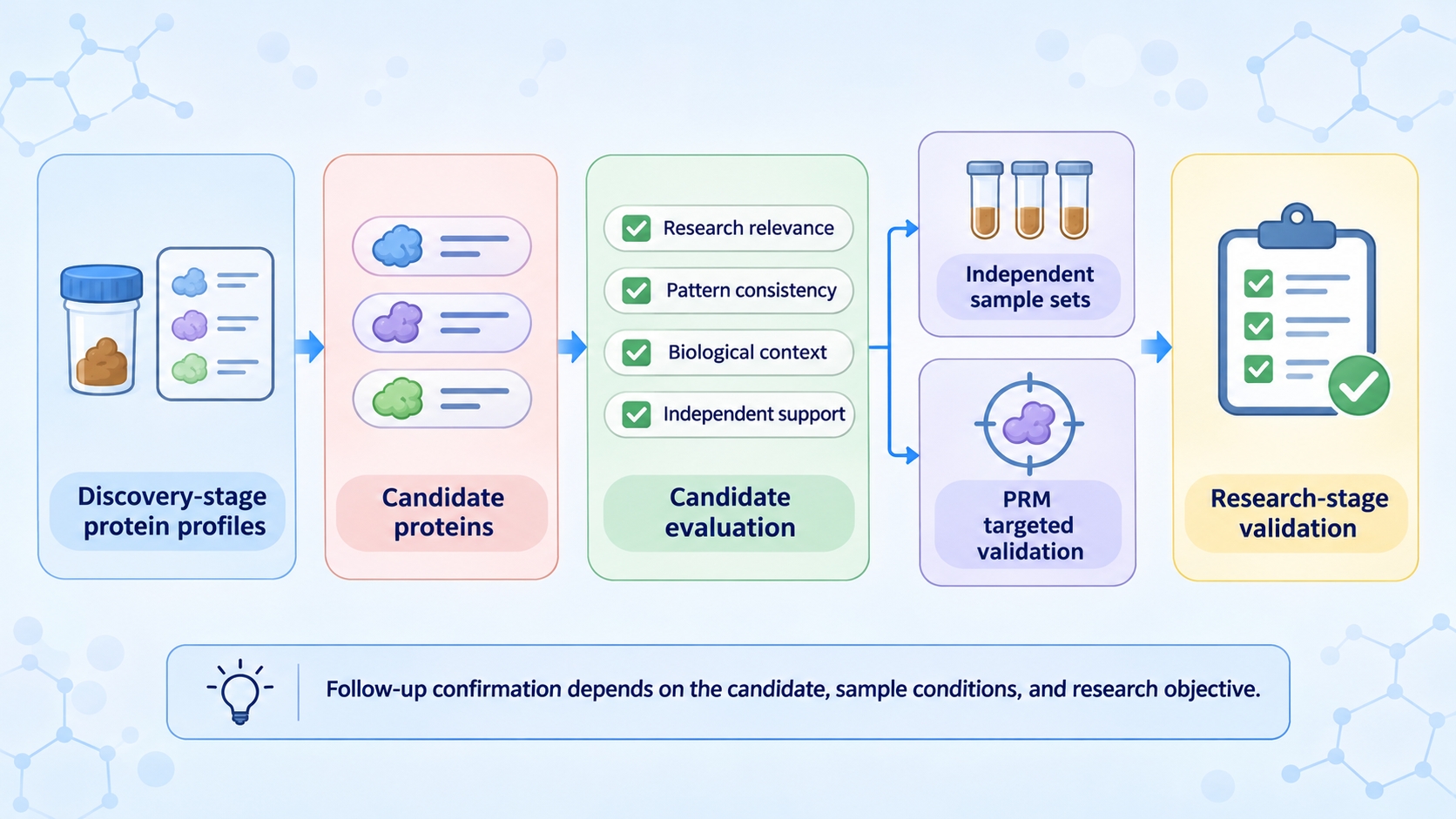
Figure 3. Follow-up evaluation and validation of candidate fecal proteins.
Frequently Asked Questions
1. Can fecal proteomics focus on host proteins?
Yes. A study can focus on host proteins associated with intestinal immune responses, inflammation, epithelial biology, or tissue changes. Whether microbial proteins are included should follow the research question.
2. Can fecal proteomics be used to investigate intervention-associated changes?
Yes. Researchers can compare samples collected before and after an intervention, or treatment and control groups, to examine changes in fecal protein profiles. The comparison plan should follow the study objective.
3. Can a candidate biomarker consist of a protein panel rather than a single protein?
Yes. A project may evaluate one protein or a panel with complementary information. A panel can represent multiple aspects of an intestinal host response when selected proteins show relevant, reproducible patterns.
4. Does every candidate protein need PRM follow-up?
No. PRM is useful when a candidate is suitable for targeted measurement and focused peptide-level evidence is needed. Other candidates may first be evaluated in independent samples or may not be suitable for PRM.
Conclusion
Fecal proteomics can support intestinal research by identifying host-response and disease-associated protein patterns and by providing candidate proteins for further study. Candidate value becomes more convincing when the observed change remains relevant to the original research question, is reproduced across samples, and is supported by biological or independent evidence.
For a broader overview of fecal proteomics research applications, see Fecal Proteomics: Sample Preparation, Analysis, and Applications. For projects with defined fecal samples, intestinal research questions, or candidate proteins requiring follow-up assessment, MtoZ Biolabs provides Fecal Proteomics Solutions, including project-specific evaluation of fecal proteomics and suitable PRM validation strategies.
