



Host and Microbial Protein Profiles in Fecal Proteomics
Fecal samples contain proteins from the host, gut microorganisms, and dietary material. Host-derived proteins provide information about host-associated processes in the intestinal environment, whereas microbial-derived proteins provide information about proteins expressed by microorganisms represented in the sample. The two protein groups address different research questions and offer complementary perspectives on the intestinal environment. Understanding their origins and research value helps researchers decide whether a fecal proteomics study should focus on host proteins, microbial proteins, or both.
Host-Derived Proteins in Fecal Proteomics
1. Major Sources of Host-Derived Proteins in Stool
Host-derived proteins in stool originate from biological materials associated with the intestinal environment. Major sources include intestinal epithelial cells, mucosal secretions, and immune-related cellular components. Proteins from these sources enter the intestinal lumen through secretion, cell shedding, and the release of cellular material.
The fecal host protein profile therefore represents host-associated proteins recovered from stool. The profile provides a view of proteins reaching the intestinal lumen, rather than a complete representation of protein expression in intestinal tissue. The amount detected in stool is influenced by protein release, intestinal transit, and protein stability.
2. What Host-Derived Proteins Can Reveal About Intestinal Host Responses
Host-derived protein profiles are relevant to studies of intestinal immune responses, inflammation-associated changes, epithelial biology, and mucosal processes. Protein identification can reveal which host-associated proteins are represented in a fecal sample, while relative quantification allows researchers to compare protein abundance patterns across study conditions.
For example, differences in immune-related proteins may provide clues about changes in host responses. Variation in epithelial- or mucosal-associated proteins can help characterize changes in the local intestinal environment. When several related proteins show a consistent pattern, the combined profile can help researchers identify host-associated processes for further investigation.
For disease-focused research applications and candidate protein discovery, see Fecal Proteomics in Intestinal Research and Biomarker Discovery.
Microbial-Derived Proteins in Fecal Proteomics
1. Major Sources and Characteristics of Microbial-Derived Proteins
Microbial-derived proteins originate from microorganisms represented in fecal material. The detected proteins may include enzymes, transport-related proteins, structural proteins, and proteins involved in other microbial cellular processes. The profile reflects the microbial proteins present in the sample and provides a protein-level view of microbial functions represented in the intestinal environment.
Protein identification shows which microbial proteins are detected, while relative quantification compares their abundance patterns across samples or experimental conditions. The measured profile is influenced by the microorganisms represented in the sample, their protein expression, and the persistence of proteins in the fecal environment.
2. What Microbial Protein Profiles Can Reveal
Microbial protein profiling is useful when a research question concerns the functional proteins represented by gut microorganisms. Detected proteins associated with nutrient utilization, metabolism, transport, and stress responses can provide information about microbial cellular functions in fecal samples.
For example, differences in enzymes involved in nutrient processing may indicate changes in the microbial functional protein profile across study conditions. Proteins involved in transport or stress responses can provide additional information about microbial processes represented in the sample. Protein-level findings complement studies of microbial genes or community composition by showing which proteins are detected.
Key Differences Between Host- and Microbial-Derived Proteins
Host-derived and microbial-derived proteins can both be detected in fecal samples, but the two groups represent different biological sources and research interests. The comparison below summarizes the main distinctions.
|
Comparison |
Host-derived proteins |
Microbial-derived proteins |
|
Biological origin |
Host cells, tissues, and secreted material represented in stool |
Microorganisms represented in fecal material |
|
Main research focus |
Intestinal host responses, immune-related changes, epithelial and mucosal processes |
Microbial protein expression and associated cellular or metabolic functions |
|
Protein-level evidence |
Identification and relative abundance patterns of host-associated proteins |
Identification and relative abundance patterns of microbial functional proteins |
|
Biological interpretation |
May reflect differences in host-associated responses or host material entering stool |
May reflect changes in the representation of microbial functional proteins |
|
Main interpretation limitation |
Fecal protein abundance does not directly represent expression in the source tissue |
Protein abundance does not directly measure organism abundance or metabolic activity |
The biological meaning of an abundance change depends on protein origin. A change in a host-derived protein profile may reflect variation in host-associated material entering the intestinal lumen. A change in microbial-derived proteins may reflect differences in the microbial proteins represented in the sample. Interpreting the two profiles separately helps keep the research conclusion aligned with the biological source of each protein.
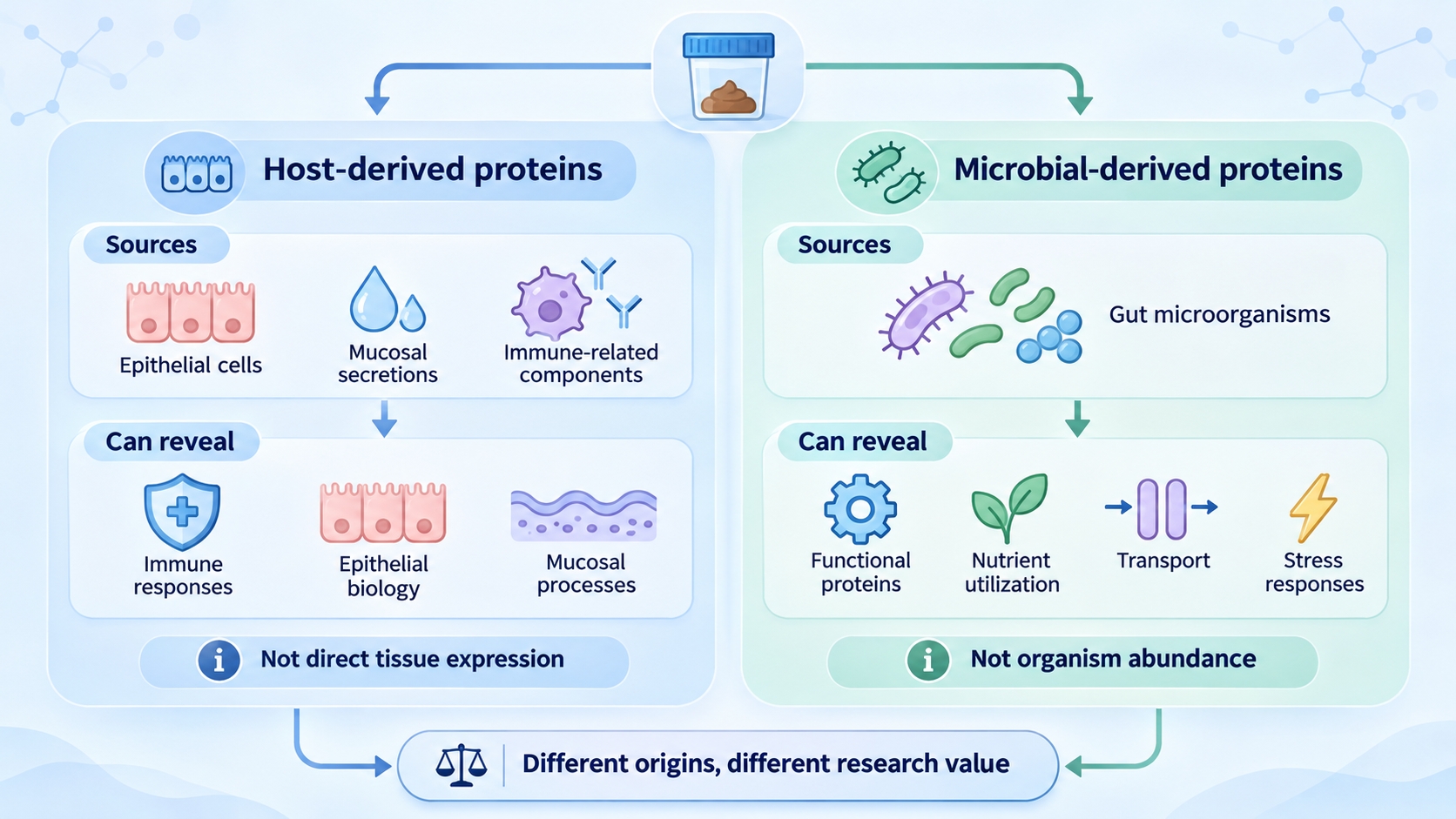
Figure 1. Different origins and research value of host-derived and microbial-derived proteins in fecal proteomics.
Why Consider Both Host- and Microbial-Derived Proteins?
Host and microbial protein profiles describe complementary components of the intestinal environment. Examining both profiles can help researchers consider host-associated responses alongside microbial functional proteins under the same study conditions. The combined perspective is useful when the research question involves changes in both the host and the gut microbial community.
For example, a study may examine changes in host immune-related proteins together with changes in microbial enzymes involved in nutrient processing. Considering the two protein groups together can help researchers identify patterns that may be less apparent when either group is examined alone. The findings can provide a basis for exploring relationships between host responses and microbial protein expression.
The value of the combined perspective lies in the additional biological context, rather than simply increasing the number of proteins identified. Researchers can compare whether host-associated and microbial protein patterns vary under the same conditions and identify associations that warrant further study.
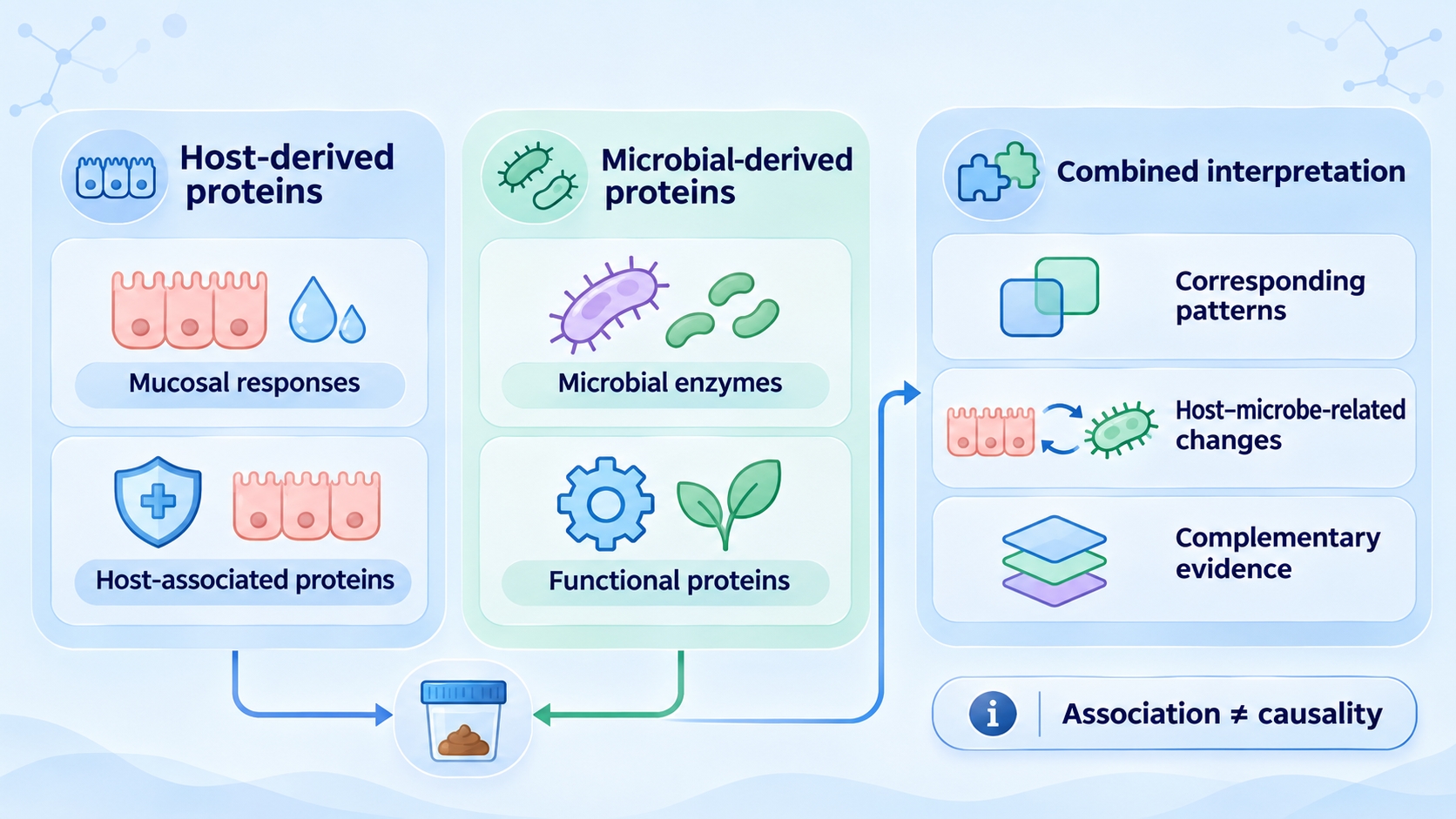
Figure 2. Combined interpretation of host-derived and microbial-derived protein profiles in fecal proteomics.
Choosing the Protein Focus for Your Research
The appropriate protein focus depends on the central research question and the type of protein-level evidence needed. Host-derived proteins are relevant when the study focuses on intestinal host responses. Microbial-derived proteins are relevant when the study examines microbial protein functions. Both sources may be considered when the study aims to explore how host-associated and microbial protein patterns vary together.
|
Research objective |
Recommended protein focus |
Protein-level evidence to examine |
|
Investigate intestinal host responses |
Host-derived proteins |
Identification and relative abundance patterns of host-associated proteins |
|
Examine microbial metabolic or cellular functions |
Microbial-derived proteins |
Identification and relative abundance patterns of microbial proteins |
|
Explore relationships between host and microbial profiles |
Both protein sources |
Corresponding changes in host-associated and microbial protein profiles |
A study focused on host responses does not necessarily need an extensive analysis of microbial proteins. Likewise, a study of microbial functions may not require detailed characterization of host-derived proteins. The choice should be guided by the primary research objective and the information needed to address the study question.
When both protein sources are relevant, researchers should define the expected contribution of each source before finalizing the project scope. A clearly defined target helps align the analysis with the intended biological interpretation.
After defining the protein focus, researchers can translate the study objective into group comparisons and a sampling plan. See Experimental Design for Fecal Proteomics Studies.
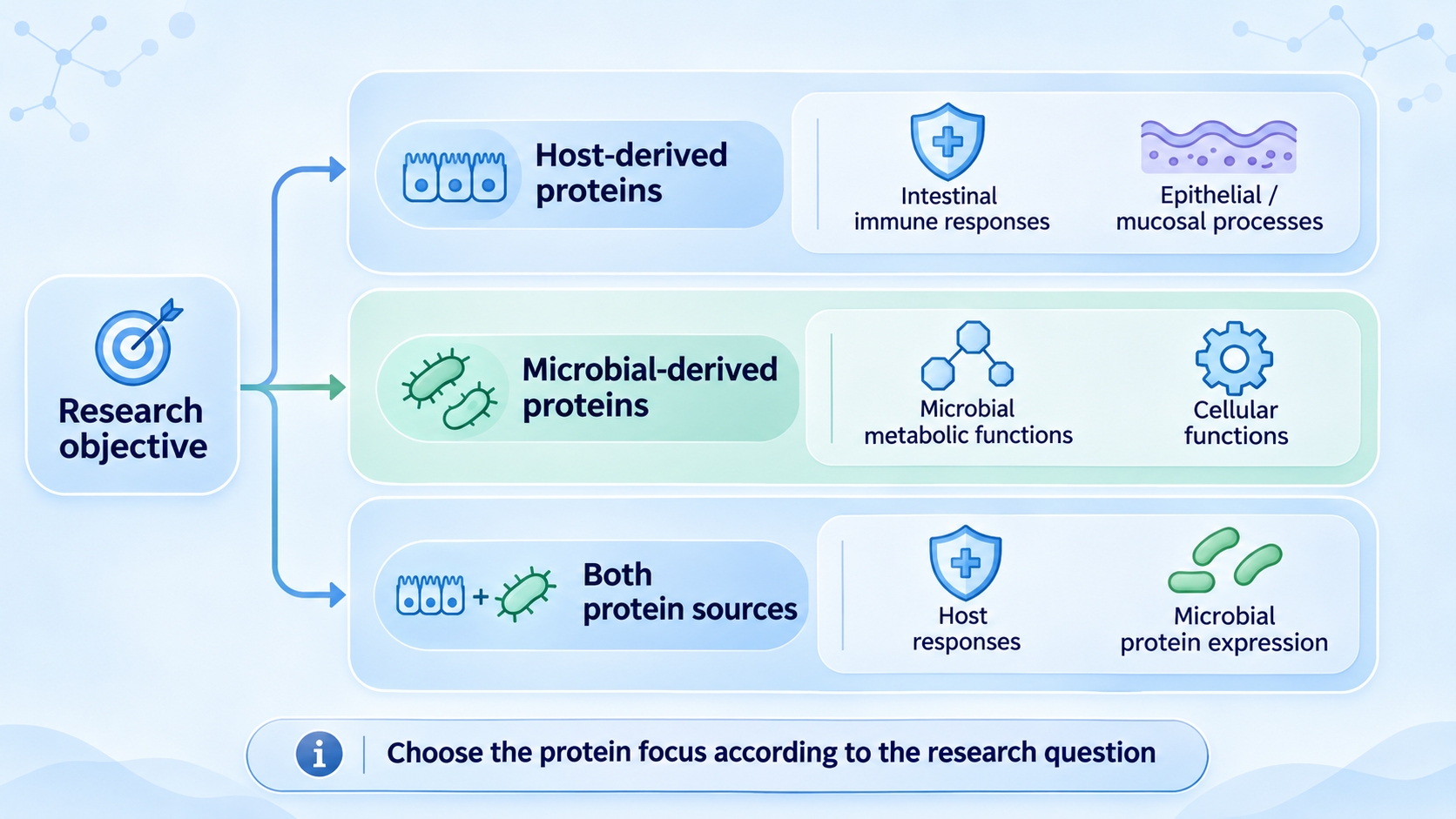
Figure 3. Choosing the protein focus in fecal proteomics according to the research objective.
Frequently Asked Questions
1. Can dietary proteins appear in fecal protein profiles?
Yes. Some dietary proteins may remain in fecal material after digestion and can be present alongside host-derived and microbial-derived proteins. The amount of dietary protein represented in a sample can vary with diet and digestion. Identification of a dietary protein depends on the peptide evidence available for the analysis.
2. Why can some proteins be difficult to assign to a host or microbial source?
Protein-source assignment depends on the specificity of the identified peptide sequences and the reference protein information available. Conserved or shared sequences may occur in proteins from different biological sources. When detected peptides cannot distinguish among potential origins, the assignment remains uncertain, limiting source-specific interpretation.
3. Can fecal host proteins identify the exact intestinal location of a biological response?
Not reliably. Host proteins detected in stool may originate from different intestinal regions and cellular sources. Their presence provides information about host-associated components represented in the sample but does not establish the anatomical site of protein release or the location of a biological response. More specific localization requires additional evidence.
4. Can fecal protein profiles be examined alongside metagenomic or metabolomic data?
Yes. Metagenomic data provide information about microbial genetic potential, while metabolomic data describe measured metabolites. Examining these datasets alongside fecal protein profiles may reveal associations between microbial genetic information, functional proteins, and metabolic characteristics. Such relationships remain associations unless supported by additional evidence. The scope and feasibility of combined analysis should be confirmed for each project.
Conclusion
Host-derived and microbial-derived proteins provide different but complementary information in fecal proteomics. Host proteins inform studies of intestinal host-associated processes, while microbial proteins provide insight into functional proteins represented by gut microorganisms. Comparing the two profiles can broaden the biological context of a study, particularly when the research question involves both host responses and microbial protein functions.
The choice of protein focus should follow the central research question and the evidence needed to address it. For a broader overview of fecal proteomics, see Fecal Proteomics: Sample Preparation, Analysis, and Applications. MtoZ Biolabs supports fecal proteomics projects targeting host-derived or microbial-derived proteins. Researchers can discuss the intended protein target and project scope through Fecal Proteomics Solutions.
