Deep DIA Proteomics Service
MtoZ Biolabs provides Deep DIA proteomics for studies requiring greater proteome depth, consistent quantitative data, and efficient analysis across complex biological samples.
Orbitrap Astral-based narrow-window DIA combines rapid MS/MS acquisition with more selective precursor isolation to support deep, scalable label-free proteome profiling.
- Enhanced coverage for complex proteomes
- Scalable for multi-sample studies
- Flexible depth and throughput balance
- Integrated differential and pathway analysis
Overview
Deep DIA proteomics is a data-independent acquisition strategy designed to extend proteome depth through rapid MS/MS acquisition and narrow precursor isolation windows. Narrow-window DIA (nDIA) reduces precursor co-isolation and MS/MS spectral complexity, supporting more selective peptide analysis while retaining the systematic acquisition characteristics of DIA.
The high MS/MS acquisition speed of the Orbitrap Astral platform makes narrow-window sampling practical at useful analytical throughput. Deep DIA is therefore particularly valuable when broader protein coverage is needed alongside consistent quantitative analysis across multiple biological samples.
Deep DIA vs. Routine DIA
Routine DIA already provides reproducible protein identification and relative quantification across multiple samples. Deep DIA places greater emphasis on extending proteome depth by combining narrow precursor isolation with rapid MS/MS acquisition.
Published nDIA benchmarks on the Orbitrap Astral platform have demonstrated more than 100 complete yeast proteomes analyzed per day and approximately 10,000 human protein groups identified within a 30-minute LC-MS/MS analysis. In a controlled three-species proteome benchmark, more than 14,000 protein groups were quantified in a single 30-minute run.
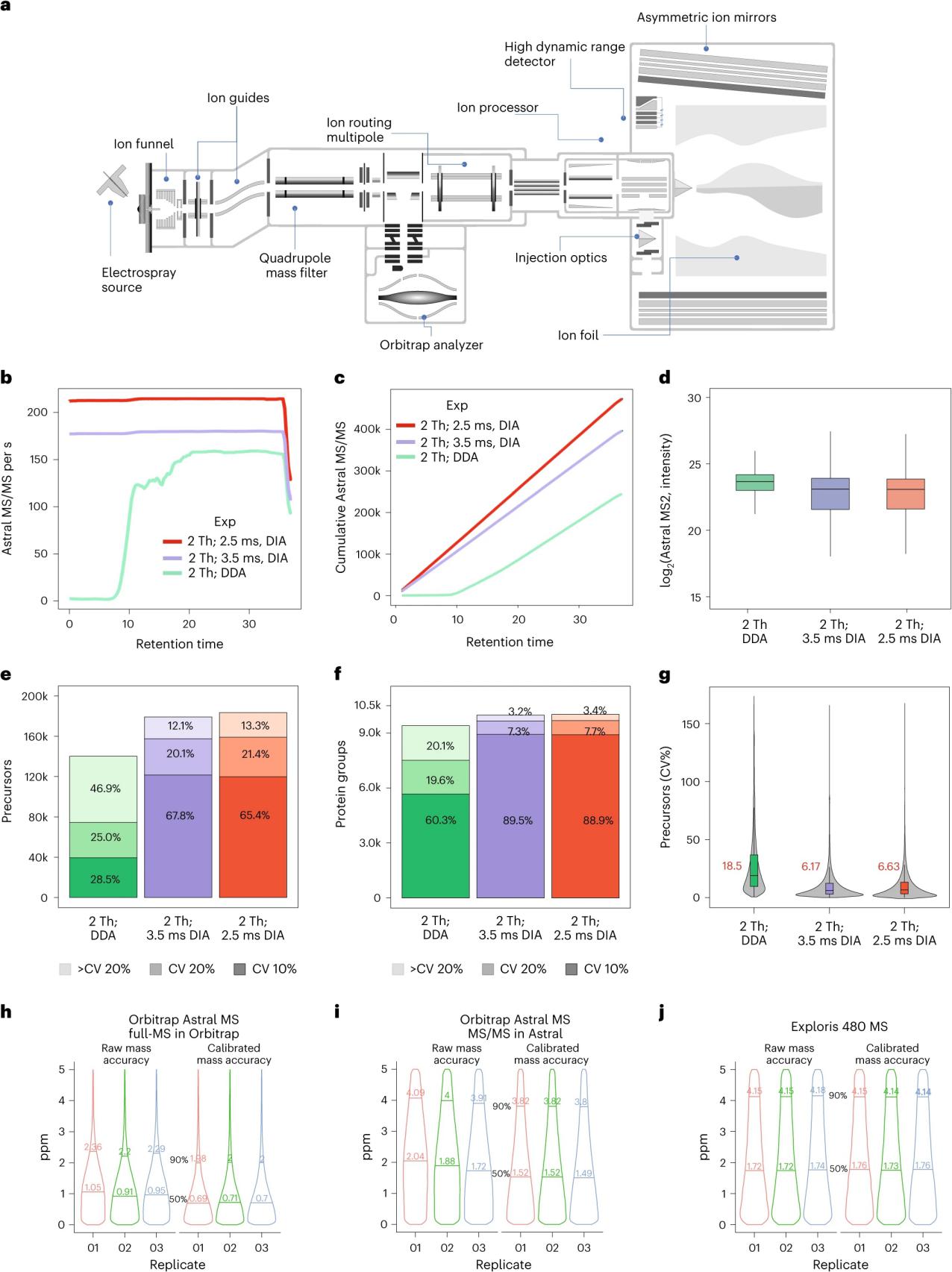
Figure 1. Benchmarking of nDIA against DDA
Service at MtoZ Biolabs
MtoZ Biolabs provides the Deep DIA Proteomics Service using Orbitrap Astral-based LC-MS/MS workflows for deep protein identification and label-free relative quantification. The service supports cells, tissues, biological fluids, microbial samples, extracted proteins, and other compatible biological materials. Acquisition conditions are selected according to sample complexity, study size, desired proteome depth, and comparison design.
Quantitative datasets can be further analyzed through differential protein analysis, clustering, functional annotation, enrichment analysis, and pathway-level interpretation. Candidate proteins identified during discovery can also be prioritized for subsequent PRM or MRM analysis when focused quantification is required.
When This Service Is a Good Fit
The Deep DIA Proteomics Service is particularly suitable when additional proteome coverage is expected to contribute directly to the research objective.
Typical study scenarios include:
- deep profiling of cellular and tissue proteomes;
- discovery studies involving medium- and lower-abundance proteins;
- multi-group quantitative proteomics studies;
- cohort studies requiring broad and reproducible proteome coverage;
- investigation of subtle proteome changes across experimental conditions;
- candidate discovery before targeted proteomics follow-up.
Analysis Workflow
1. Study Design and Sample Evaluation
Sample type, biological groups, replicate design, sample number, and required analytical depth are evaluated before acquisition conditions are selected.
2. Sample Preparation
Proteins are extracted, quality assessed, enzymatically digested, and prepared for LC-MS/MS analysis using procedures appropriate for the sample matrix.
3. Deep DIA LC-MS/MS
Peptides are separated by liquid chromatography and analyzed using an Orbitrap Astral-based DIA workflow configured for the required proteome depth and analytical throughput.
4. Protein Identification and Quantification
DIA data are processed to generate peptide- and protein-level identification and relative quantitative matrices across the sample set.
5. Comparative and Biological Analysis
Quantitative data can be evaluated through statistical comparison, clustering, functional enrichment, pathway analysis, and other downstream analyses according to the study design.
Why Choose MtoZ Biolabs?
- High Detection Depth: Detects over 10,000 proteins in conventional plant and animal tissues, meeting the demands for complex sample analysis.
- Rapid Turnaround Time: Capable of processing hundreds of samples daily, significantly enhancing experimental efficiency.
- Data Stability: Ensures result consistency and repeatability, providing reliable data for future studies.
- Cost Efficiency: Optimizes analysis workflows through advanced algorithms, reducing resource usage and enhancing data analysis efficiency.
FAQ
Q1. What is the difference between Deep DIA and standard DIA proteomics?
Both approaches use data-independent acquisition for systematic peptide fragmentation and relative quantification. Deep DIA places greater emphasis on extending proteome depth through acquisition strategies such as narrow-window DIA. Standard DIA may be sufficient when routine proteome coverage and higher sample throughput are the main priorities.
Q2. Does Deep DIA always identify more proteins than standard DIA?
Not necessarily. Proteome coverage depends on sample type, protein dynamic range, sample preparation, LC separation, acquisition conditions, and data processing. Deep DIA is designed to increase analytical depth, but a fixed protein identification number cannot be expected across different biological samples.
Q3. Is Deep DIA suitable for low-abundance protein discovery?
Deep DIA can improve access to lower-abundance regions of the proteome by increasing analytical depth and reducing spectral complexity. However, detectability remains strongly dependent on sample matrix and protein dynamic range. Highly complex biofluids may require additional preparation or enrichment when very low-abundance proteins are the primary targets.
Contact Us
MtoZ Biolabs provides the Deep DIA Proteomics Service for studies requiring deeper proteome profiling together with consistent quantitative comparison.
Contact our technical team with your sample type, sample number, comparison design, and analytical goals to determine whether Deep DIA, conventional DIA, or a targeted proteomics strategy is the better fit for your study.
MtoZ Biolabs, an integrated chromatography and mass spectrometry (MS) services provider.
Related Services
Data-Dependent Acquisition Service
Demo for DIA Proteomics Analysis
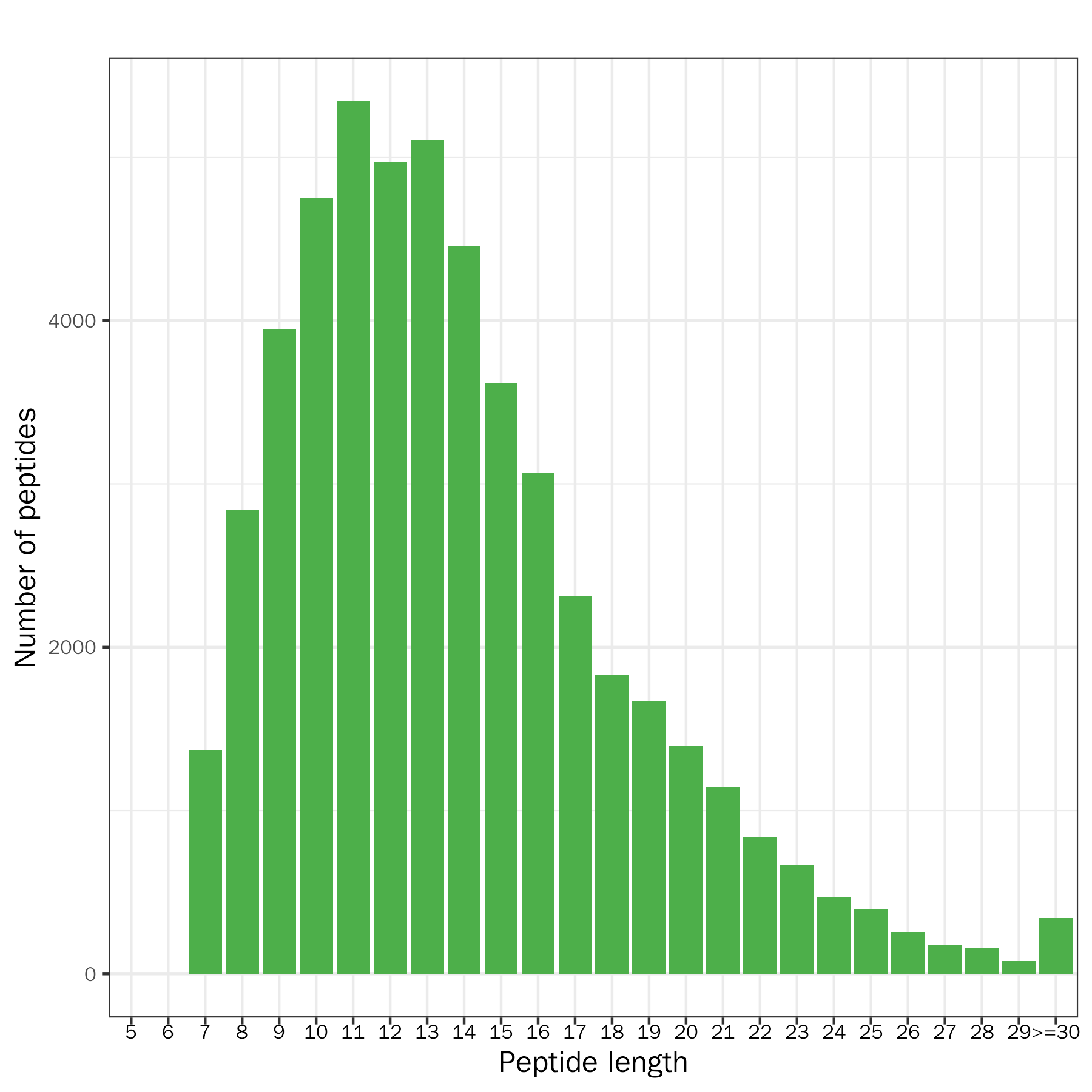
Peptide Length Distribution
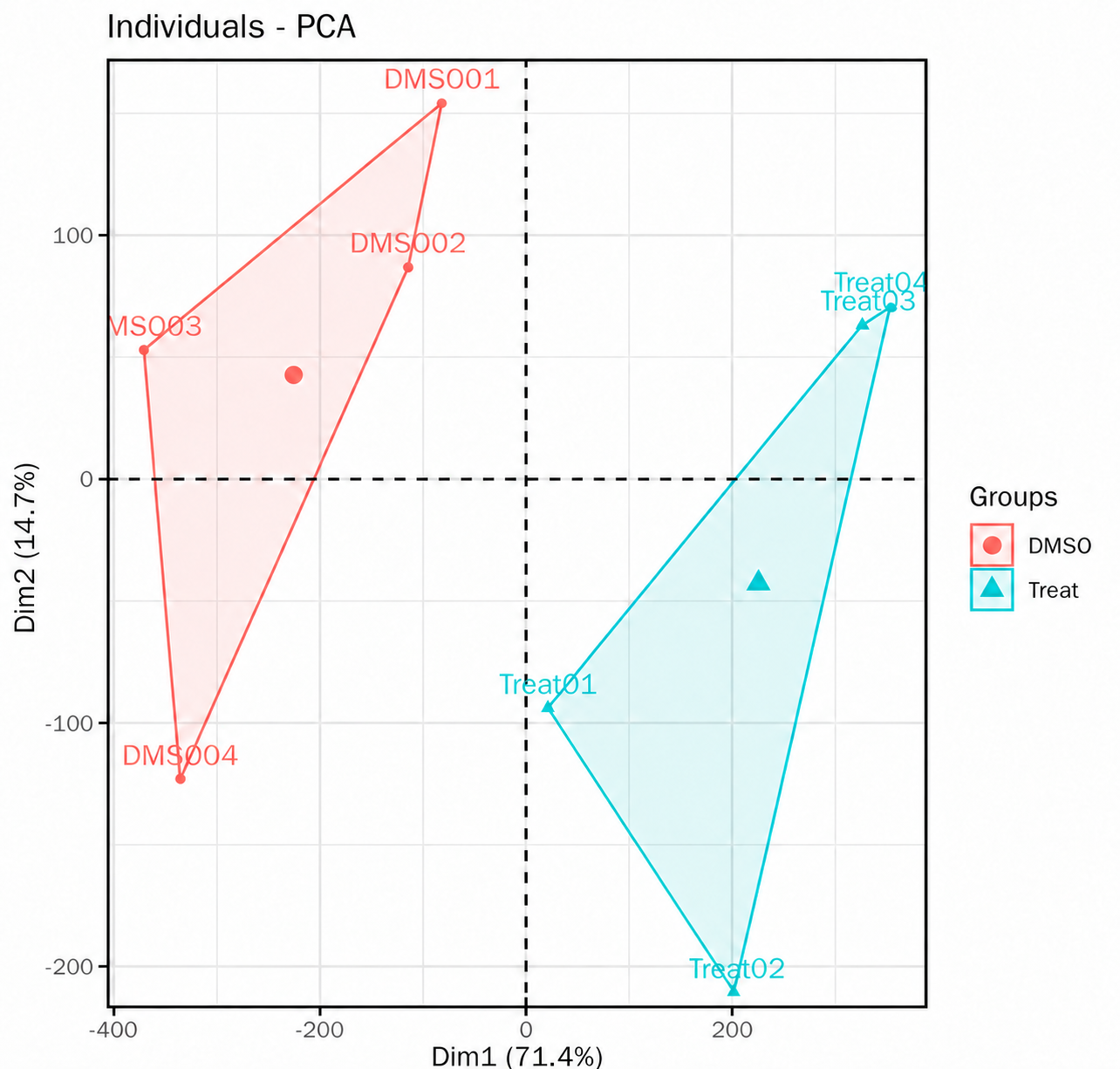
PCA Plot of Sample Grouping
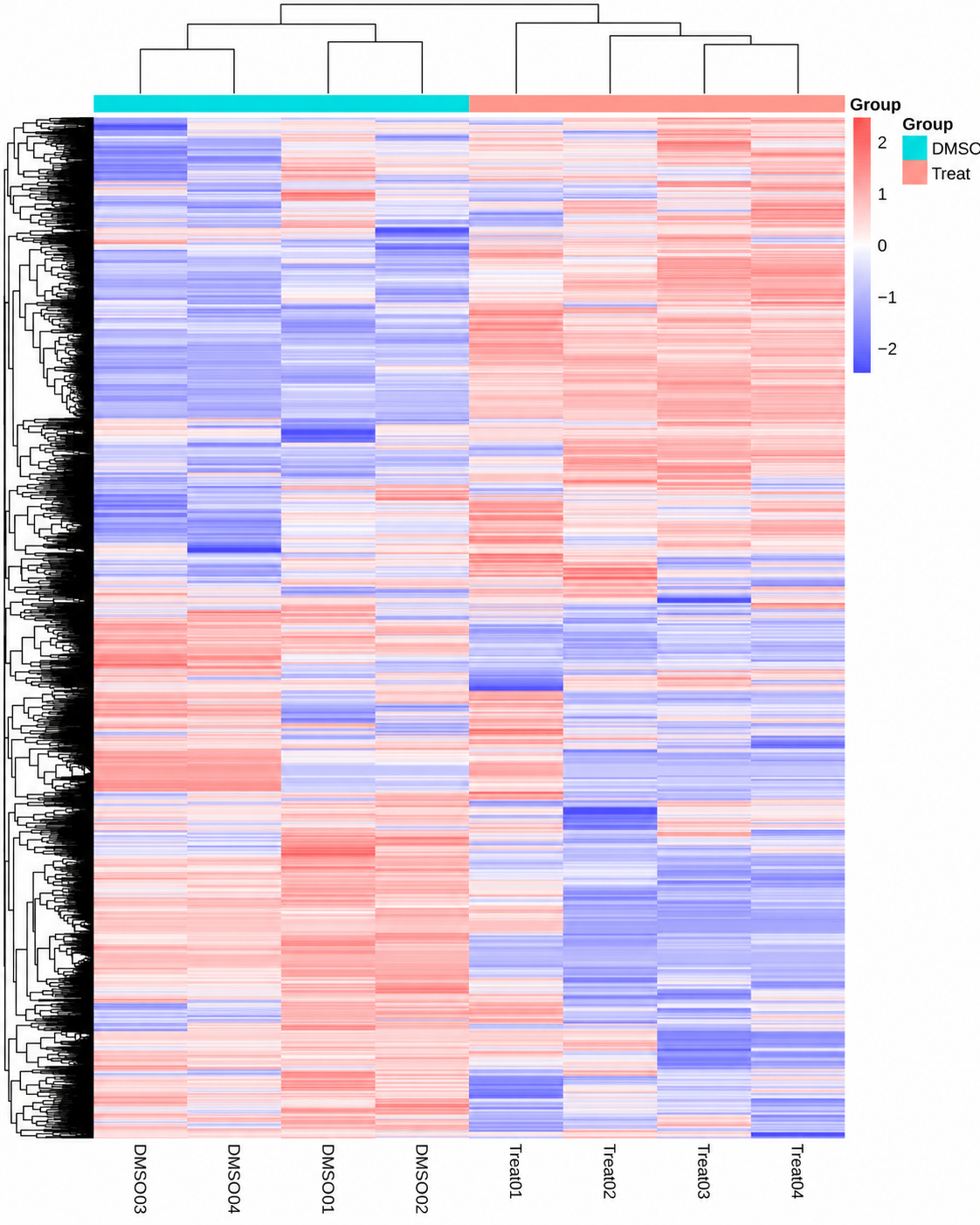
Hierarchical Clustering of Protein Abundance