Sweat Quantitative Proteomic Solutions
MtoZ Biolabs provides Sweat Quantitative Proteomic Solutions for LC-MS/MS-based protein identification, relative quantification, and differential protein analysis in sweat samples.
The analysis is designed for low-abundance sweat proteins and supports comparative studies across research groups, treatment conditions, time points, or physiological states.
- LC-MS/MS profiling and relative quantification of sweat proteins.
- Sample preparation adapted to low-protein sweat matrices.
- Comparative analysis across research groups and conditions.
What Is Sweat Quantitative Proteomics?
Sweat is a body fluid secreted by sweat glands and collected from the skin surface. Sweat contains protein components that can be used for proteomics research. Sweat quantitative proteomics uses LC-MS/MS to identify proteins in sweat and compare relative protein abundance. Proteins in sweat are typically present at relatively low concentrations, and sweat protein composition may also be affected by collection method, collection site, sweating or stimulation conditions, collection duration, skin-surface components, and storage procedures. Comparative studies should therefore maintain consistent collection and processing conditions as much as possible.
After protein extraction, necessary concentration or purification, and enzymatic digestion, LC-MS/MS can provide peptide and protein identification information. Suitable quantitative strategies can then be used to compare relative protein abundance across samples or experimental groups. Differential protein results can be further used for candidate protein screening and related biological research.
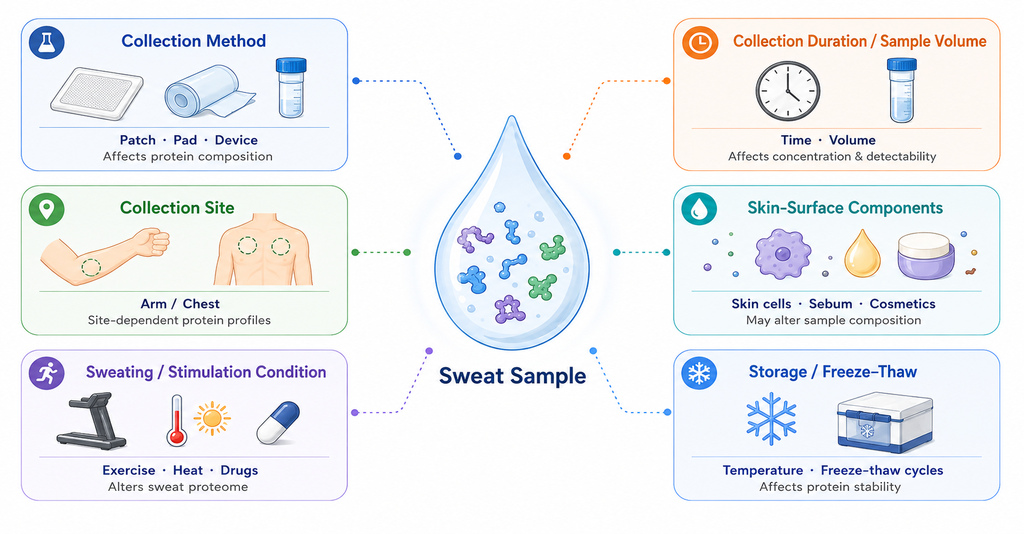
Figure 1. Factors Affecting Sweat Proteomics.
Service at MtoZ Biolabs
MtoZ Biolabs provides Sweat Quantitative Proteomic Solutions covering sweat sample information evaluation, protein extraction, necessary concentration or purification, enzymatic digestion, LC-MS/MS acquisition, and quantitative data analysis. The analysis can provide sweat protein identification, relative quantification, and differential protein results, with between-group comparisons performed according to the study design. Extended analyses such as functional annotation can be included where applicable.
When This Service Is a Good Fit
- Sweat samples have already been collected, and changes in protein abundance need to be compared across experimental groups, time points, or physiological conditions.
- The study involves low-protein-concentration sweat samples that require protein extraction, concentration, or purification appropriate for the sweat matrix before LC-MS/MS analysis.
- Relatively consistent sweat collection methods and storage conditions are used to support proteomic comparisons across groups.
- Differential proteins or candidate proteins need to be screened from the sweat proteome for subsequent research analysis.
Analysis Workflow
1. Sample Information Evaluation
Record the sweat collection method, collection site, sweating or stimulation conditions, if applicable, available sample amount, storage method, group design, and research objectives.
2. Protein Extraction and Sample Processing
Perform protein extraction according to the condition of the sweat samples and evaluate whether concentration or purification is needed based on the low protein concentration and sample background.
3. Protein Digestion
Complete protein processing and enzymatic digestion to obtain peptides suitable for LC-MS/MS analysis.
4. LC-MS/MS Acquisition
Separate peptides by liquid chromatography and acquire mass spectrometry data for protein identification and quantitative analysis.
5. Protein Identification and Relative Quantification
Complete peptide and protein identification and use a suitable quantitative strategy to obtain relative protein abundance results across samples.
6. Differential Analysis and Result Organization
Perform differential protein analysis according to the experimental groups and organize the results. Extended analyses such as functional annotation can be included where applicable.
Why Choose MtoZ Biolabs?
1. Extensive Team Experience
The MtoZ Biolabs team has experience in proteomics analysis and can evaluate analytical approaches based on the sweat collection method, sample condition, available sample amount, and study design.
2. High-Resolution LC-MS/MS
MtoZ Biolabs performs sweat protein identification and quantitative analysis using high-resolution LC-MS/MS.
3. One-Stop Analysis
Sample evaluation and protein preprocessing can be integrated with LC-MS/MS acquisition, protein quantification, differential analysis, and result organization.
4. Quantitative Strategy Selection
Suitable quantitative analysis approaches, including DIA, can be evaluated according to sample number, group design, and comparison objectives.
Sample Submission Requirements
|
Sample Status |
Suggested Information |
|
Collected Sweat Samples |
Collection method, collection site, collection time/duration, stimulation method if applicable, available volume or total amount, storage conditions, freeze-thaw history, and group design. |
|
Sweat Samples Containing Collection Buffer or Additives |
In addition to the information above, provide information on the buffer, stabilizer, or other additives and the approximate proportions/concentrations. |
|
Samples with Completed Protein Extraction |
Provide the protein extraction method, buffer system, protein concentration/total amount, storage conditions, and group design. |
Sweat protein concentration and available sample amount can be affected by collection methods, individual variation, and sample-processing conditions. A single fixed sample submission amount is therefore not recommended for a general service page. Providing the actual sample condition and collection information during consultation helps evaluate protein extraction, concentration, and LC-MS/MS analysis conditions.
Applications
1. Physiological Response Research
Compare changes in sweat proteins under different physiological states or experimental conditions to investigate associations between sweat protein composition and physiological responses.
2. Exercise and Heat-Stress Research
Analyze changes in sweat proteins during exercise, heat exposure, or recovery to provide data for research on exercise- and stress-related proteins.
3. Immune and Inflammation Research
Compare the relative abundance of immune-related or inflammation-related proteins across different research groups.
4. Metabolic Research
Investigate changes in sweat protein expression under different metabolic states or experimental conditions and screen candidate proteins associated with metabolism.
5. Biomarker Candidate Research
Screen candidate proteins from changes in the sweat proteome to provide candidates for subsequent targeted validation and further research.
Deliverables
1. Experimental Workflow and LC-MS/MS Analysis Parameters
2. Raw Mass Spectrometry Data
3. Peptide and Protein Identification and Relative Quantification Results
4. Differential Protein Statistics and Quality-Control Results
5. Functional Annotation or Related Extended Analysis Results(If Applicable)
6. Processed Data Files and Analysis Report
FAQ
Q1: Can samples collected using different sweat collection methods be compared directly?
Different collection methods may affect sweat volume, protein concentration, and sample background. Collection methods should therefore be kept as consistent as possible for between-group comparisons. If samples were obtained using different collection methods, collection conditions should be documented before analysis and potential technical differences should be evaluated.
Q2: Can low protein concentration in sweat affect LC-MS/MS analysis?
The total protein amount in sweat is generally lower than the total protein amount in tissue or cell samples. Insufficient available protein may affect protein identification depth and quantitative stability. During sample evaluation, the actual sample volume, protein condition, and analytical objectives can be used to determine whether concentration or other preprocessing is needed.
Q3: How can the influence of skin-surface components on sweat proteomics results be reduced?
Pre-collection preparation, collection site, collection materials, and sample storage conditions can all affect sweat sample background. A consistent collection procedure should be used as much as possible within the same study, and conditions that may affect sample composition should be recorded for subsequent quality control and result interpretation.
Q4: Are biological replicates needed for sweat samples?
Sweat protein composition may show substantial individual and collection-related variation. For statistical comparisons across groups, an appropriate number of biological replicates should be determined according to the study design and sample variability. Sampling time, collection conditions, and storage procedures should also be kept as consistent as possible.
For sweat quantitative proteomics analysis, information on the sweat collection method, collection site, available sample amount, storage conditions, group design, biological replicates, and research objectives can be provided during consultation. The MtoZ Biolabs technical team will evaluate protein preprocessing, LC-MS/MS acquisition, and quantitative analysis arrangements according to the sample condition and study design.
MtoZ Biolabs, an integrated chromatography and mass spectrometry (MS) services provider.
Related Services
Quantitative Proteomics Service
Exosome Quantitative Proteomics Service
FFPE Quantitative Proteomics Service
