FFPE Quantitative Proteomics Service
MtoZ Biolabs provides FFPE Quantitative Proteomics Service for protein identification and relative quantification from formalin-fixed, paraffin-embedded tissue sections by LC-MS/MS.
The workflow addresses paraffin removal, formalin-induced crosslinking, and limited tissue input to support consistent proteomic comparison across FFPE tissue groups.
- FFPE-specific protein extraction and low-loss sample preparation
- High-resolution LC-MS/MS for relative protein quantification
- Comparative proteomics across FFPE tissue groups
What Is FFPE Quantitative Proteomics?
FFPE (Formalin-Fixed Paraffin-Embedded) tissue preserves tissue morphology through formalin fixation and paraffin embedding and is a common sample format in histopathology research. FFPE Quantitative Proteomics uses deparaffinization, crosslink treatment, protein extraction, and low-loss sample preparation to convert proteins from fixed tissue into peptides suitable for LC-MS/MS analysis, enabling protein identification and relative quantification across groups.
Compared with fresh or frozen tissue, FFPE analysis is more affected by protein crosslinking, residual paraffin, reduced protein solubility, and differences in fixation and storage conditions. These factors can influence protein recovery, digestion efficiency, and identification depth. FFPE samples therefore generally require specialized sample preparation, and quantitative results should be interpreted together with fixation, sectioning, storage, and group-design information.
When This Service Is a Good Fit
- FFPE tissue sections are available, and relative protein abundance needs to be compared across research groups, treatment conditions, or tissue states.
- Broad protein identification and relative quantification are required in FFPE tissue rather than measurement of only a few predefined target proteins.
- Formalin fixation and paraffin embedding affect the samples, requiring FFPE-specific protein extraction and low-loss sample preparation.
- Consistent protein identification and quantitative data are needed across multiple FFPE samples for between-group comparisons.
- Differential proteins or candidate proteins need to be screened from the FFPE proteome to support subsequent research or targeted validation.
FFPE Quantitative Proteomics Service at MtoZ Biolabs
Based on high-resolution mass spectrometry platforms and advanced FFPE sample processing technologies, MtoZ Biolabs provides FFPE Quantitative Proteomics Service for protein identification and relative quantification of formalin-fixed, paraffin-embedded tissue sections. The analysis can provide peptide and protein identification, relative protein abundance, between-group differences, and quality-control results, supporting comparison of protein expression profiles among tissue samples or research groups and providing a data foundation for subsequent candidate protein research.
For different tissue types, section thicknesses, available tissue amounts, sample numbers, and group designs, the technical team can adjust FFPE sample preparation and quantitative analysis arrangements to improve processing consistency and strengthen the interpretability of between-group comparisons. Functional annotation or other extended analyses can be arranged according to the research objectives.
Analysis Workflow
1. Sample and Study Design Evaluation
Confirm the species, tissue type, number and thickness of FFPE sections, fixation and storage information, group design, biological replicates, and research objectives.
2. Deparaffinization and Crosslink Treatment
Remove paraffin and apply conditions suitable for FFPE tissue to improve the release of fixed proteins and compatibility with subsequent digestion.
3. Protein Extraction and SP3 Sample Preparation
Extract proteins from FFPE tissue and use a low-loss SP3 workflow for purification and subsequent sample processing.
4. Protein Digestion and Peptide Preparation
Digest proteins into peptides and perform necessary cleanup and quality control to prepare samples for LC-MS/MS analysis.
5. LC-MS/MS Acquisition
Separate peptides by liquid chromatography and use a mass spectrometry acquisition strategy suitable for the study design to generate data for protein identification and relative quantification.
6. Protein Identification and Between-Group Comparison
Perform peptide and protein identification, relative quantification, quality control, and statistical comparison between groups. Differential proteins and related results are organized according to the research objectives, and extended functional analyses are performed according to the project plan.
Sample Submission Suggestions
|
Item |
Recommendation |
|
Sample Type |
FFPE tissue sections |
|
Section Thickness |
5–10 μm |
|
Recommended Number |
15–20 sections |
|
Minimum Number |
10 sections |
|
Shipping and Storage |
Place sections on glass slides and ship at room temperature under dry conditions |
|
Information Recommended for Consultation |
Species, tissue type, section number and thickness, sample condition, group design, biological replicates, and research objectives |
If FFPE sections show obvious mold contamination, contain very little tissue, or include bone tissue that has not been decalcified, provide the actual sample information before submission for feasibility evaluation. When FFPE samples from different batches or fixation conditions are compared, fixation methods, section information, and sample condition should also be documented as completely as possible to support sample processing and between-group comparison design.
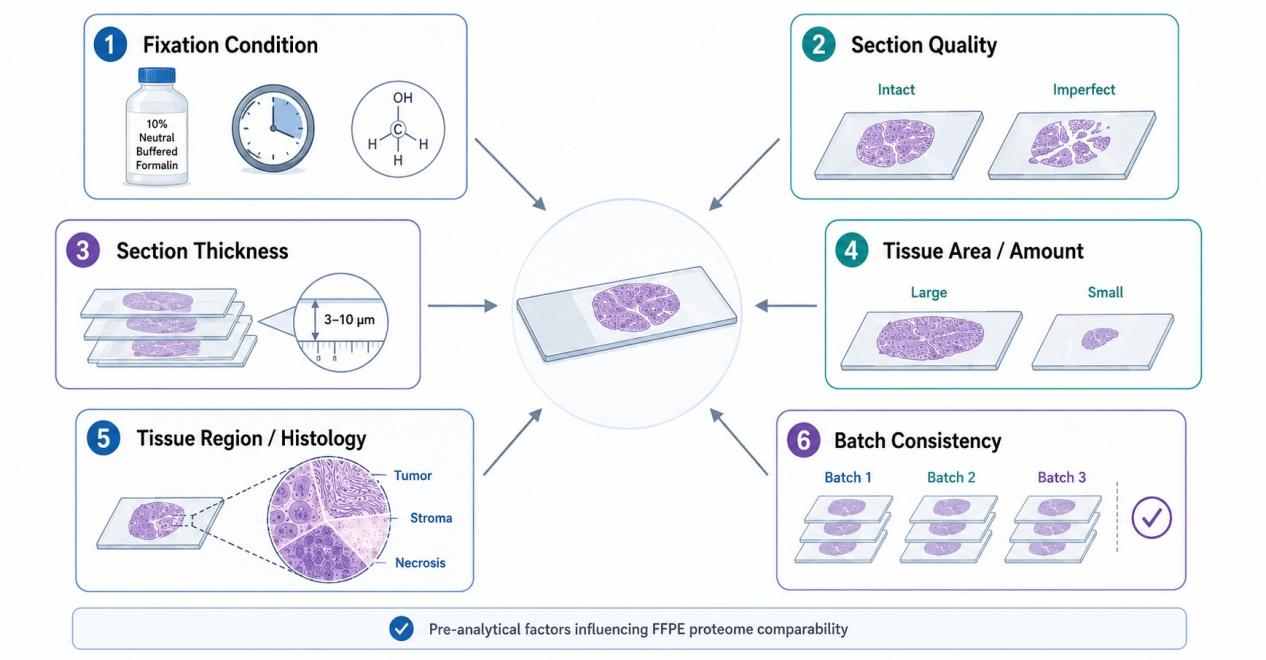
Figure 1. Key Factors Affecting FFPE Samples.
Why Choose MtoZ Biolabs?
1. High-Resolution Mass Spectrometry
High-resolution mass spectrometry is used to obtain peptide and protein identification and relative quantitative data, providing a reliable data foundation for proteomic comparison of FFPE tissues.
2. Flexible Analysis Workflow
Sample preparation, mass spectrometry acquisition, and analysis arrangements can be adjusted according to tissue type, section condition, sample number, and research objectives to match the specific study design.
3. Transparent Pricing
Service scope and corresponding costs are defined before project initiation. After the quotation is confirmed, no additional charges are added within the agreed service scope, supporting clear project budget management.
4. Low-Input Sample Analysis
Low-input strategies can be evaluated for FFPE samples with limited section material to minimize sample loss during preparation and support subsequent mass spectrometry analysis.
Applications
1. Cancer and Disease Research
Compare proteomic profiles of tumor tissues and other disease-related tissues to investigate protein changes among different tissue states or research groups.
2. Biomarker Research
Screen candidate proteins associated with research groups or tissue characteristics from FFPE tissue proteomics data.
3. Drug and Treatment Research
Compare protein expression changes in tissue samples under different drug treatments, interventions, or experimental conditions.
4. Tissue Biology Research
Investigate protein composition and changes across different tissue types, tissue regions, or biological states.
5. Translational Proteomics Research
Integrate histological information with proteomics data to provide protein-level evidence for translational research.
Deliverables
1. FFPE Sample Processing and Experimental Workflow Information
2. Liquid Chromatography and Mass Spectrometry Acquisition Parameters
3. Raw Mass Spectrometry Data
4. Peptide and Protein Identification Results
5. Protein Quantification Results
6. Statistical Results and Related Visualizations for Differential Proteins Between Groups
7. GO, KEGG, PPI, and Other Functional Analysis Results (If Applicable)
8. Processed Data Files and Analysis Report
FAQ
Q1: Are antibodies required for FFPE Quantitative Proteomics analysis?
No. FFPE Quantitative Proteomics uses LC-MS/MS for broad protein identification and relative quantification and does not depend on antibodies against individual target proteins. If antibody-based validation of specific candidate proteins is required later, the corresponding validation experiment should be designed separately.
Q2: Can FFPE sections from different tissue regions be compared directly within the same group?
Differences in tissue region and cellular composition can produce substantial differences in protein composition. Sections used for between-group comparison should have tissue regions and histological characteristics that are as consistent as possible. Clear regional differences should be incorporated into the group design rather than treated as ordinary technical variation.
Q3: Can FFPE samples be quantitatively compared directly with fresh or frozen tissue?
Differences in fixation, embedding, and sample preparation can introduce systematic variation. FFPE tissue and fresh or frozen tissue therefore should not be treated as fully equivalent quantitative materials. If a study requires comparison across different sample-processing methods, sample sources and processing workflows should be defined during study design, and differences introduced by pre-analytical conditions should be interpreted cautiously.
Q4: Are biological replicates required for FFPE proteomics?
Appropriate biological replicates should be included when statistical comparisons between groups are required. FFPE tissue can also exhibit tissue heterogeneity, and suitable biological replication helps distinguish true biological differences from sample-to-sample variation.
Q5: Can every identified protein provide a stable quantitative result?
Stable quantification cannot be guaranteed for every identified protein. Protein abundance, peptide detectability, sample complexity, sample-preparation recovery, and data completeness can all affect quantitative coverage. The number of proteins suitable for between-group comparison may therefore be lower than the total number of identified proteins.
Q6: What information is needed if the samples come from a species with limited annotation?
Conventional quantitative proteomics depends on an appropriate reference protein sequence database for peptide and protein identification. For species with limited annotation or without a reliable reference database, accurate species information should be provided before project initiation so that the technical team can first evaluate database suitability.
Start Your Project with MtoZ Biolabs
If the tissue type, sample number, section thickness, and group design of the FFPE sections have been determined, the information can be submitted directly to MtoZ Biolabs for project evaluation. The technical team will review the available sample amount and research objectives to confirm sample submission arrangements, comparison design, and pricing, and provide a project consultation.
MtoZ Biolabs, an integrated chromatography and mass spectrometry (MS) services provider.
Related Services
Quantitative Proteomics Service
Exosome Quantitative Proteomics Service
Sweat Quantitative Proteomic Solutions
