Deep Blood 4D-DIA Proteomics Service
MtoZ Biolabs' Deep Blood 4D-DIA Proteomics Service combines nanoparticle-assisted protein enrichment with ion mobility-based 4D-DIA LC-MS/MS to improve proteome depth in serum and plasma and increase access to low- and medium-abundance proteins.
The service supports complex blood proteome profiling, multi-sample quantitative comparisons, and candidate biomarker discovery, while providing robust data for downstream differential analysis, biological interpretation, and targeted protein verification.
- Nanoparticle-assisted enrichment for deeper blood proteome coverage
- 4D-DIA with ion mobility for complex serum and plasma samples
- Built for low-abundance protein discovery and cohort comparison
What Is Deep Blood 4D-DIA Proteomics?
Deep Blood 4D-DIA proteomics is more than applying standard DIA to blood samples. It combines blood-specific sample preparation with ion mobility-enabled DIA to address the exceptionally wide dynamic range of serum and plasma proteins.
When nanoparticles interact with serum or plasma, proteins bind differentially to their surfaces according to their physicochemical properties, forming a protein corona. This interaction redistributes the proteins entering MS analysis and can improve the detectability of proteins that are otherwise masked by highly abundant plasma proteins.
During MS acquisition, TIMS on the timsTOF platform provides gas-phase ion mobility separation, while DIA systematically records fragment-ion information across predefined acquisition windows. Retention time, m/z, ion mobility, and signal intensity collectively support peptide identification and relative quantification, improving signal separation and cross-sample analysis in complex blood-derived peptide mixtures.
The value of Deep Blood 4D-DIA Proteomics Service therefore comes from combining enhanced blood sample preparation with multidimensional MS acquisition to expand proteome coverage and improve access to low- and medium-abundance proteins.
When This Service Is a Good Fit
1. Deeper Blood Proteome Coverage
Deep Blood 4D-DIA is well suited for studies that need to go beyond abundant circulating proteins such as albumin, immunoglobulins, and complement proteins to investigate lower-abundance regulatory, secreted, or disease-associated proteins.
2. Serum or Plasma Biomarker Discovery
The workflow can support comparisons between disease and control groups, disease stages, treatment-response groups, or other phenotypes, helping generate deeper quantitative protein matrices for candidate biomarker discovery.
3. Multi-Sample and Cohort Comparisons
DIA is well suited for consistent quantitative analysis across multiple samples. Standardized sample preparation, MS acquisition, and batch quality control can support cohort studies, multi-group comparisons, and longitudinal designs.
4. When Conventional Blood Proteomics Lacks Sufficient Depth
If previous plasma or serum proteomics results are dominated by higher-abundance proteins, Deep Blood 4D-DIA can provide a more intensive workflow for expanding measurable proteome coverage.
Service at MtoZ Biolabs
Based on nanoparticle-assisted blood protein processing, Nano-LC separation, and high-resolution timsTOF Pro 2 MS, MtoZ Biolabs provides Deep Blood 4D-DIA Proteomics Service for deep protein identification, relative quantification, differential analysis, and downstream bioinformatics in serum and plasma.
Workflows can be adapted according to sample type, cohort size, comparison design, and research objectives. Candidates identified during discovery can also be followed by PRM or MRM targeted proteomics for focused quantitative verification.
Why Choose MtoZ Biolabs?
1. Advanced Mass Spectrometry Platforms
MtoZ Biolabs uses high-resolution platforms including Bruker timsTOF Pro 2, Orbitrap Exploris 480, and Fusion Lumos. timsTOF Pro 2 supports TIMS and dia-PASEF for added ion mobility separation, while Orbitrap platforms can support standard DIA and downstream PRM verification.
2. Rigorous Quality Control
Quality control is implemented from sample preparation through data analysis. BCA assays and SDS-PAGE are used to assess protein quantity and quality, while peptide length distributions, identification scores, and related metrics are evaluated during data processing.
3. In-Depth Bioinformatics Analysis
In addition to standard differential, functional, and pathway analyses, MtoZ Biolabs provides customized bioinformatics support. Dedicated bioinformatics specialists can assist with multi-omics integration and customized result visualization based on research objectives.
Analysis Workflow
1. Study Design and Sample Evaluation
Sample type, collection method, storage condition, biological replicates, group design, and key comparisons are reviewed before analysis.
2. Serum/Plasma Preparation
Blood-derived samples are processed using nanoparticle-assisted strategies designed to expand access to medium- and low-abundance proteins.
3. Protein Processing and Digestion
Proteins are extracted, quantified, reduced, alkylated, digested, and purified before LC-MS/MS analysis.
4. Nano-LC–4D-DIA-MS/MS
Peptides are separated by Nano-LC and analyzed on timsTOF Pro 2 using ion mobility separation and DIA acquisition.
5. Protein Identification and Relative Quantification
DIA data are processed for peptide identification, FDR control, protein inference, signal extraction, normalization, and quantitative matrix generation.
6. Differential and Bioinformatics Analysis
Correlation analysis, PCA, clustering, differential protein analysis, GO, KEGG, PPI, and other customized analyses can be performed according to study objectives.
Sample Submission Requirements
Blood sample quality directly affects proteomics performance. Hemolysis, repeated freeze-thaw cycles, and prolonged room-temperature storage should be minimized.
|
Sample Type |
Recommended Amount |
Key Considerations |
|
Whole blood |
≥50 μL |
Confirm anticoagulant type and plasma preparation strategy |
|
Serum |
≥50 μL |
Avoid significant hemolysis; store at −80°C |
|
Plasma |
≥50 μL |
Use an appropriate anticoagulant and avoid repeated freeze-thaw cycles |
For limited or valuable samples below the recommended volume, feasibility can be evaluated based on sample condition and study goals.
Applications
1. Blood Biomarker Discovery
Compare serum or plasma protein profiles across study groups to identify differential proteins and prioritize candidate biomarkers for further investigation.
2. Disease Mechanism Research
Analyze circulating protein changes across disease states, stages, or phenotypes and connect differential proteins with pathways and interaction networks.
3. Drug Response and Mechanism Studies
Compare blood proteome changes before and after treatment or across response groups to investigate drug-responsive proteins and related biological pathways.
4. Cohort and Translational Research
Support multi-group, longitudinal, or larger-cohort serum and plasma studies using standardized quantitative proteomics workflows.
5. Multi-Omics Integration
Integrate blood proteomics data with transcriptomics, metabolomics, clinical variables, or other molecular datasets for broader biological interpretation.
Deliverables
1. Protein and Peptide Identification Results with Relative Quantitative Matrices
2. Quality Control, Sample Consistency, and Differential Protein Analysis Results
3. PCA, Clustering, Volcano Plots, Heatmaps, and Other Data Visualizations
4. GO, KEGG, PPI, and Other Bioinformatics Results with a Complete Analysis Report
FAQ
Q1. What Is the Difference Between Deep Blood 4D-DIA and Conventional DIA Blood Proteomics?
The main difference is the depth of blood-specific sample preparation. Conventional DIA typically analyzes routinely processed serum or plasma, whereas Deep Blood 4D-DIA adds nanoparticle-assisted processing before ion mobility DIA to improve access to low- and medium-abundance proteins.
Q2. Can Hemolyzed or Repeatedly Frozen Blood Samples Still Be Analyzed?
Feasibility depends on sample condition. Significant hemolysis, repeated freeze-thaw cycles, or improper storage may alter protein composition and increase technical variability. Sample collection and storage history should therefore be provided before analysis.
Q3. How Long Does Deep Blood 4D-DIA Proteomics Service Take?
Standard turnaround is approximately 3–4 weeks. Expedited analysis may be completed in about 3 weeks depending on instrument availability. Sample QC, large-cohort processing, and customized analysis may affect the final timeline.
Start Your Project with MtoZ Biolabs
If your study focuses on low-abundance serum or plasma proteins, circulating biomarker discovery, or multi-sample blood proteome comparisons, provide MtoZ Biolabs with the sample type, sample number, group design, and research objectives. Our team can help determine whether conventional DIA or Deep Blood 4D-DIA Proteomics Service is better suited to your study and define an appropriate sample preparation, MS acquisition, and data analysis workflow.
MtoZ Biolabs, an integrated chromatography and mass spectrometry (MS) services provider.
Related Services
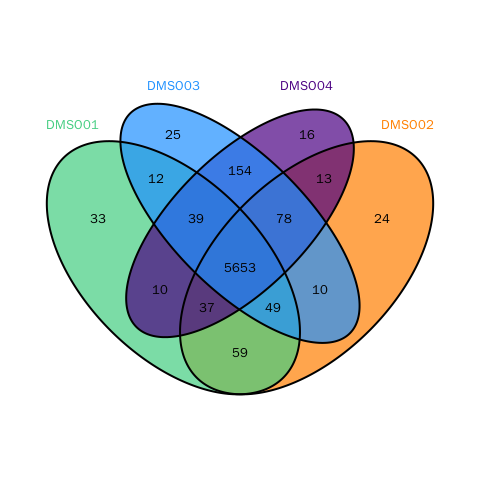
Demo for DIA Proteomics Analysis
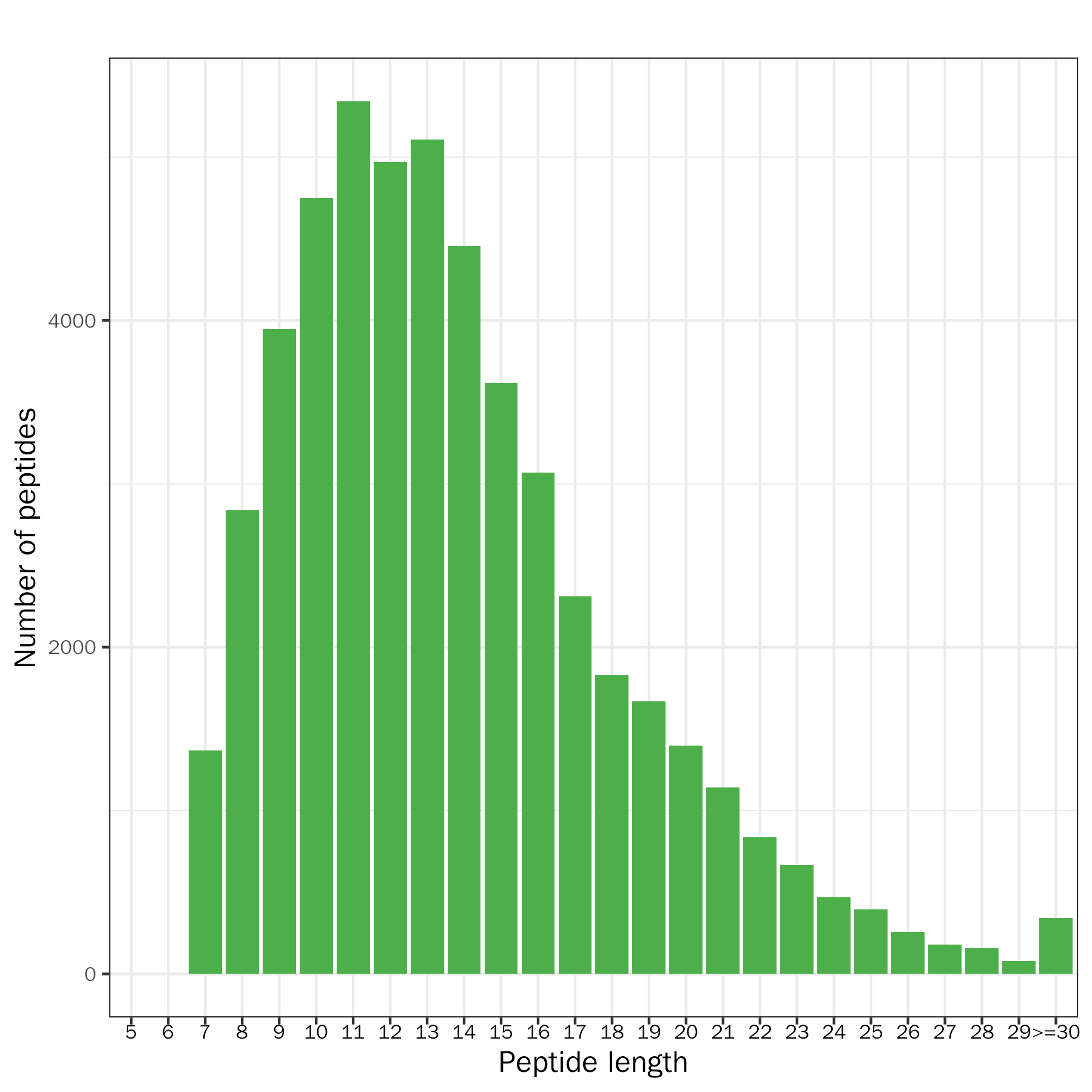
Peptide Length Distribution
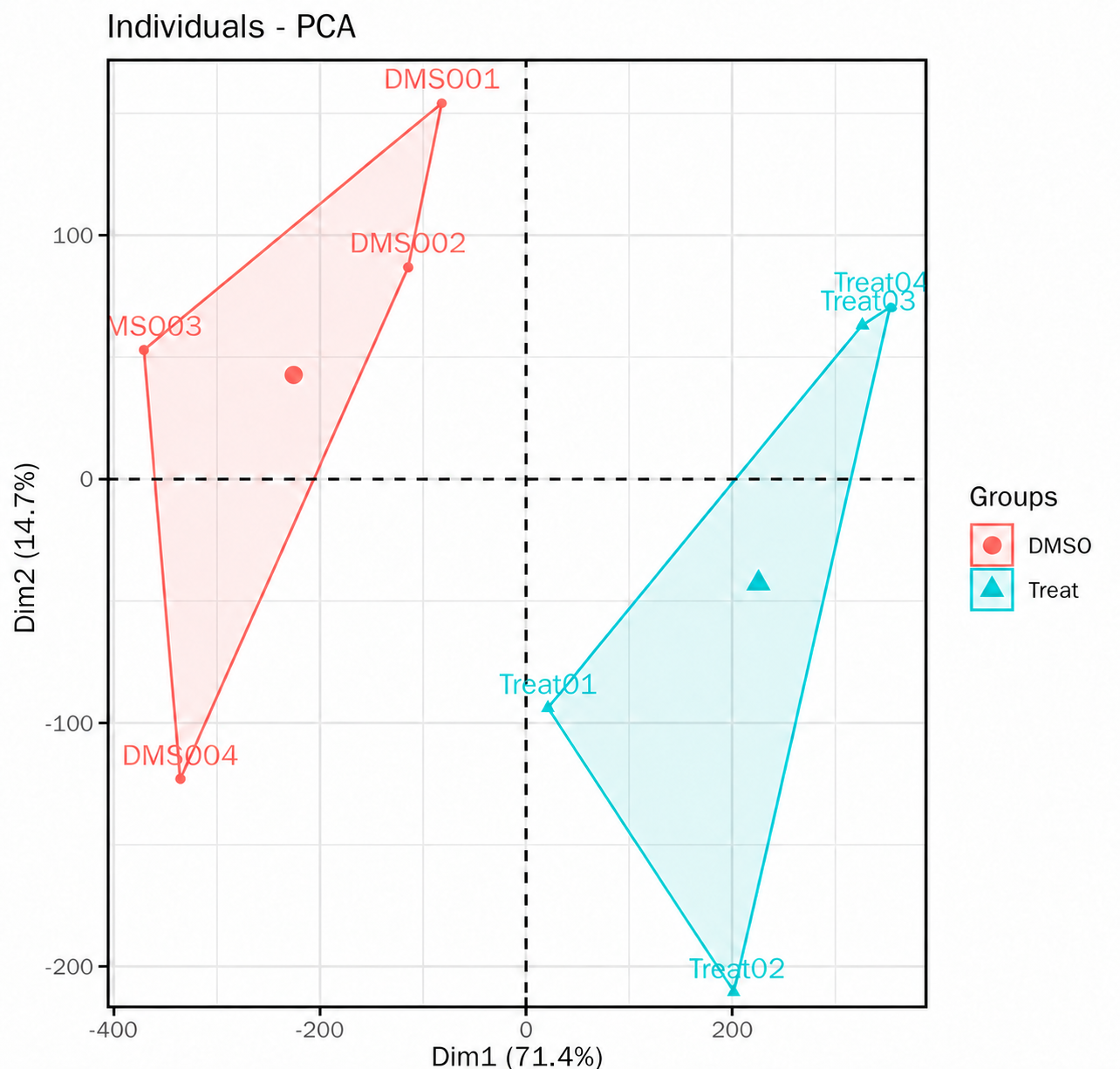
PCA Plot of Sample Grouping
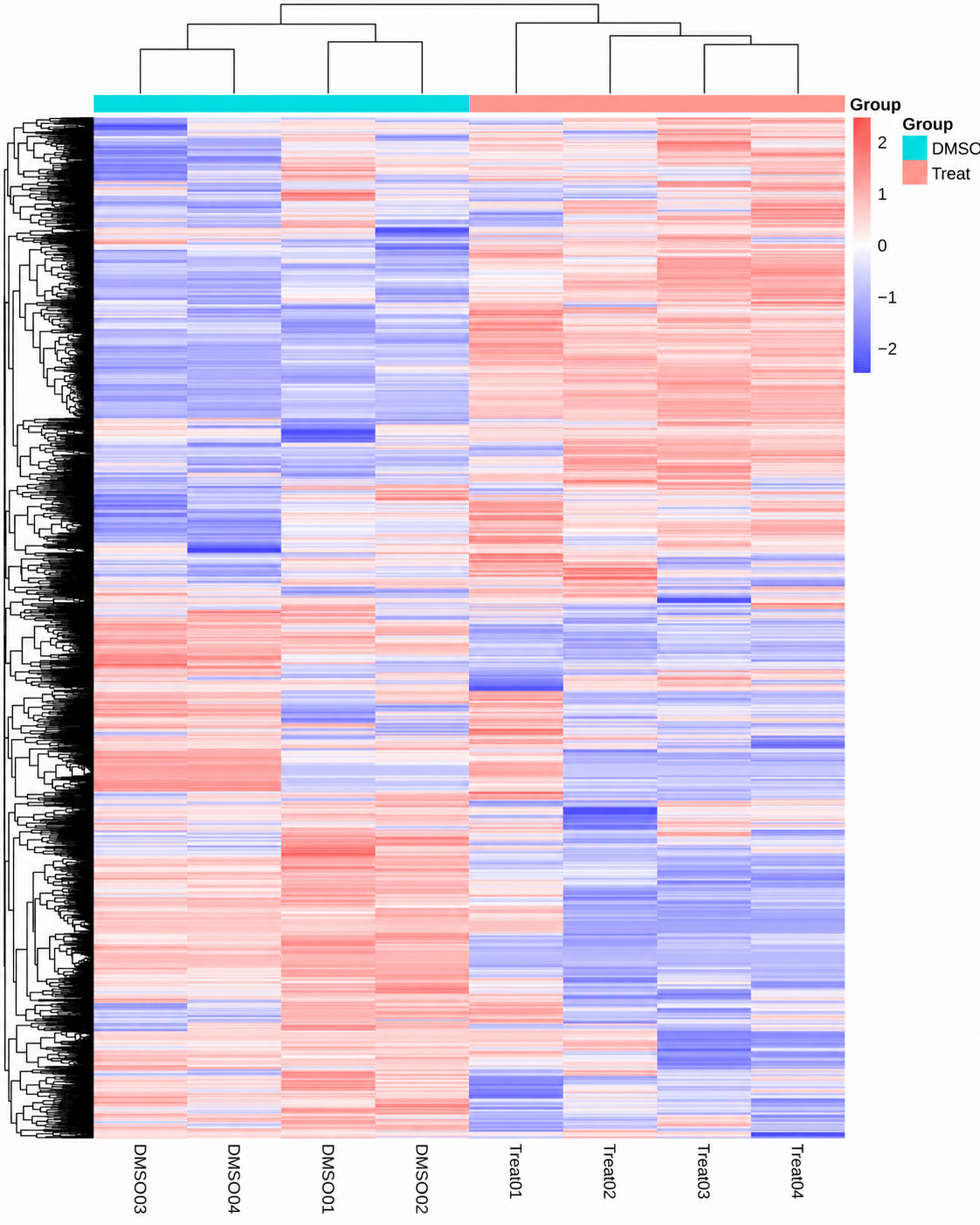
Hierarchical Clustering of Protein Abundance