



Fecal Proteomics Sample Requirements, Collection, and Handling
Fecal samples are valuable for studying biological processes in the intestinal environment and provide material for protein-level research. Because stool composition and physical characteristics vary, collection and handling can affect the quality of proteomic data. This guide explains the accepted sample forms, collection practices, additives to avoid, and storage and shipment requirements before fecal proteomics analysis.
Fecal Sample Types for Proteomics
MtoZ Biolabs accepts human and animal fecal samples without specific species restrictions. Fresh stool, stool stored at −80°C, fecal supernatant, and previously extracted fecal proteins can all be considered for project assessment. Each material form has different preparation and documentation requirements, so identify the submitted material clearly before shipment.
1. Fresh and Frozen Stool Samples
Both freshly collected stool and previously frozen stool can be submitted. Fresh material should be collected after defecation, transferred into a labeled centrifuge tube, and frozen promptly according to the handling sequence described below. Avoid leaving fresh stool at room temperature while preparing the sample for storage.
For previously frozen stool, provide the sample source and species, storage temperature, and known freeze–thaw history. If specimens have different storage histories, record the information separately for each sample ID. Keep frozen samples frozen before shipment and use the specified dry-ice shipping method.
2. Fecal Supernatant Samples
Fecal supernatant can be submitted when the liquid fraction has already been separated from the original stool. Because the submitted material is a prepared liquid fraction rather than intact stool, provide the available volume, the separation or preparation method, and the storage conditions before shipment.
A fixed minimum or recommended volume has not been established for fecal supernatant. The available volume should therefore be reviewed in relation to the intended analysis. Identify the material as fecal supernatant in the sample inventory rather than recording it as intact stool.
3. Previously Extracted Fecal Proteins
Previously extracted fecal proteins are also accepted for assessment. Since the stool has already undergone extraction, the composition of the protein solution is important. Provide the extraction or lysis buffer composition and the names and composition of any additives remaining in the solution. Record the protein quantity according to the requirements in the sample-amount section.
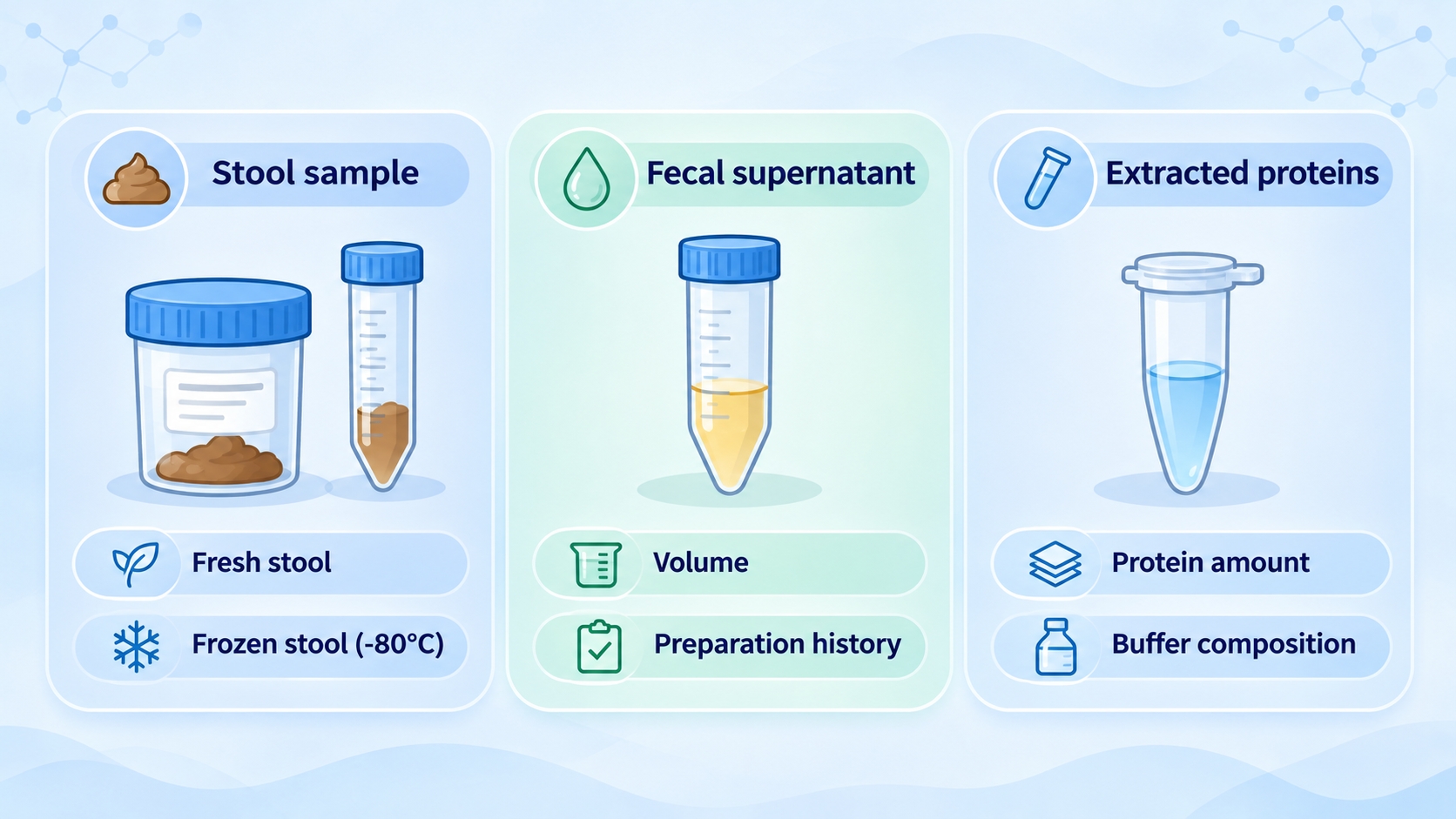
Figure 1. Accepted sample forms for fecal proteomics.
Fecal Sample Amount Requirements
The required amount depends on the intended project and the material being submitted. Use the project-specific quantities below when preparing intact stool or previously extracted proteins. For material submitted in another form, provide the available quantity so the project requirements can be reviewed.
|
Project / material type |
Recommended amount |
Minimum amount |
Notes |
|
Routine proteomics (host proteins) |
200 mg stool |
100 mg stool |
For routine host-protein analysis. |
|
Metaproteomics |
5 g stool |
2 g stool |
Confirm the intended analysis target before submission. |
|
Previously extracted proteins |
100 μg protein |
50 μg protein |
Provide extraction / lysis buffer composition. |
|
Peptidomics |
200 mg stool |
100 mg stool |
Confirm the project type when arranging submission. |
|
Low-input samples |
— |
Below 100 mg stool |
Requires individual assessment; low input may affect identification numbers and quantitative stability. |
The quantities refer to different project types and are not interchangeable. Record the amount for each specimen using the appropriate unit: stool weight for intact fecal material and protein mass for extracted protein. State the intended analysis when preparing the sample inventory.
Collecting a Representative Fecal Sample
1. Stool Collection and Sample Transfer
Collect stool after defecation using a sampling spoon. Take material from the middle portion of the stool and transfer it into a clearly labeled centrifuge tube. During collection, avoid including intestinal epithelial tissue or accidentally introducing blood and other foreign material.
If blood is naturally present in the specimen, identify the sample as bloody and disclose the condition before submission. Each specimen should have a unique sample ID that remains consistent across collection, storage, and shipment records. Clear identification helps link the sample to its source and handling history.
2. Multi-Site Sampling for Better Representativeness
Stool composition may vary between different portions of the same specimen. Collecting material from several locations and mixing the portions can provide a more representative sample than relying on a single collection point. Use the same collection and mixing approach for specimens within the same project whenever possible.
If different collection procedures cannot be avoided, document the differences against the affected sample IDs. When visible undigested food residue is present, mix the specimen and collect portions from multiple locations to reduce variation caused by uneven distribution within the stool.
For study-level decisions involving group comparisons and sampling consistency, see Experimental Design for Fecal Proteomics Studies.
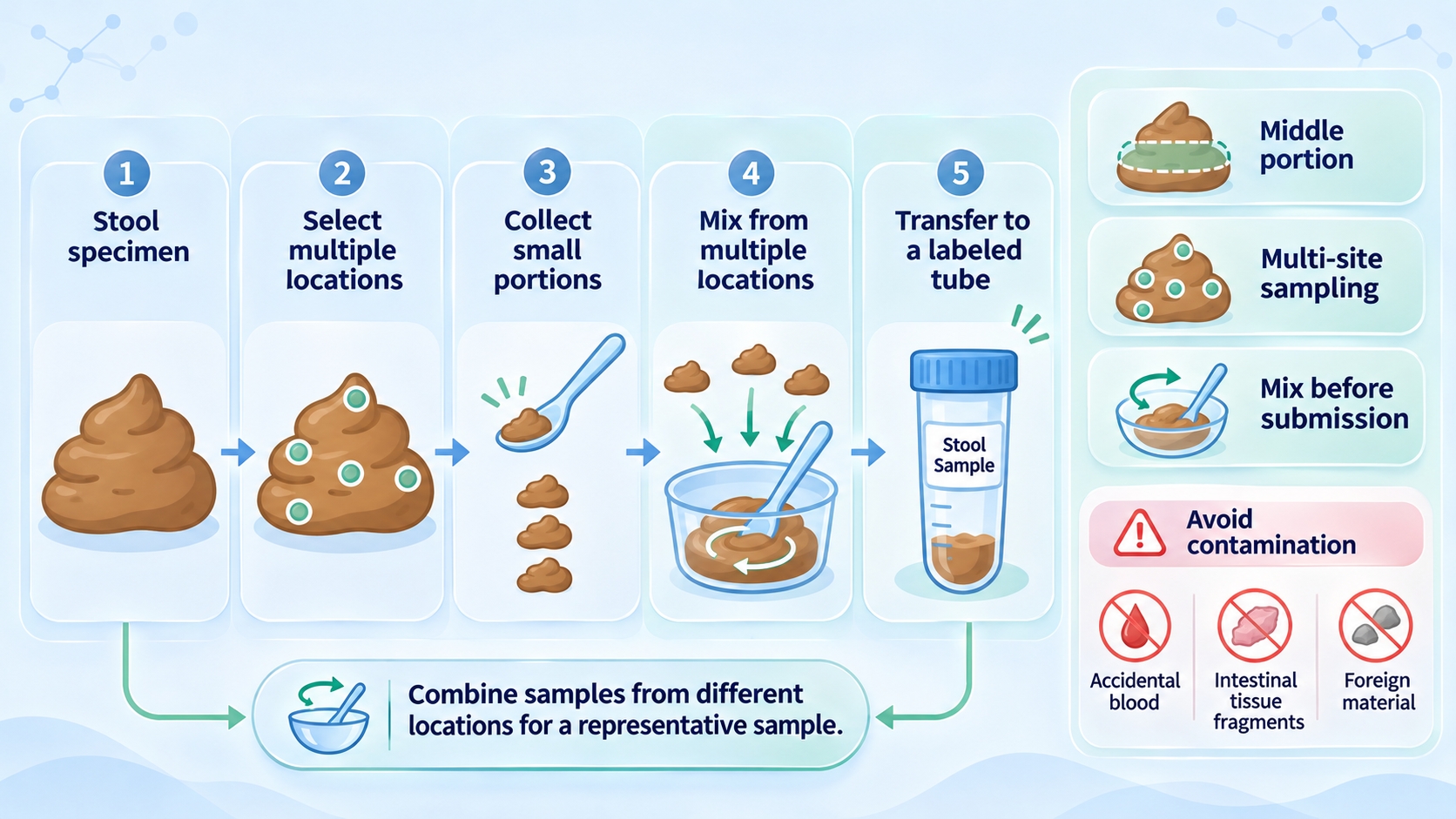
Figure 2. Representative sampling of fecal material for proteomics.
Additives and Preservatives to Avoid
1. Preservatives and Stabilizers During Stool Collection
Stool collection fluids, preservation solutions, and stabilizers are not recommended for fecal proteomics samples. For samples intended for protein analysis, collection without added preservatives is preferred unless the use of a specific reagent has been confirmed before collection.
PBS should be reported if it has been used. Additives other than PBS, including nucleic-acid preservation reagents and chemical fixatives, may affect proteomics analysis and should not be used without prior compatibility confirmation.
2. Handling Samples That Already Contain Additives
Samples that have already been mixed with a collection fluid, preservative, stabilizer, or other reagent require review before shipment. Provide the reagent name, available composition, and information about when and how the reagent was added. Compatibility depends on the actual formulation rather than the general description of the collection method.
Samples containing incompatible fixatives or strong preservation solutions are not accepted. Other treated samples may require individual assessment. For commercial stool collection kits, provide the reagent composition for review; the kit name alone does not establish compatibility with proteomics analysis.
Freezing, Storage, and Shipping
1. Immediate Freezing and Frozen Storage
Immediately after collection, snap-freeze fecal samples in liquid nitrogen for 10 minutes and then store the samples at −80°C. Room-temperature exposure should not exceed 2 hours, and freeze–thaw cycles should not exceed two. Freezing should begin as soon as possible rather than using the full permitted room-temperature period.
Record the collection time, freezing and storage conditions, and any known thawing events for each sample. When specimens have different storage histories, link each record to the corresponding sample ID. If a sample has experienced extended room-temperature exposure or repeated thawing, report the actual handling history before shipment.
2. Shipping Frozen Stool Samples
Ship frozen fecal samples on dry ice and keep the specimens frozen during transportation. Sample tubes should be clearly labeled and matched to the accompanying sample inventory. If a temperature excursion or thawing event has occurred during storage or transportation, identify the affected sample IDs and provide the available handling information before analysis.
Samples with handling deviations may be assessed based on the sample condition and QC gel. Samples showing obvious protein degradation should be recollected. Specimens with severe storage abnormalities may not be accepted. A maximum storage duration at −80°C has not been established; provide the available storage records for archived samples.
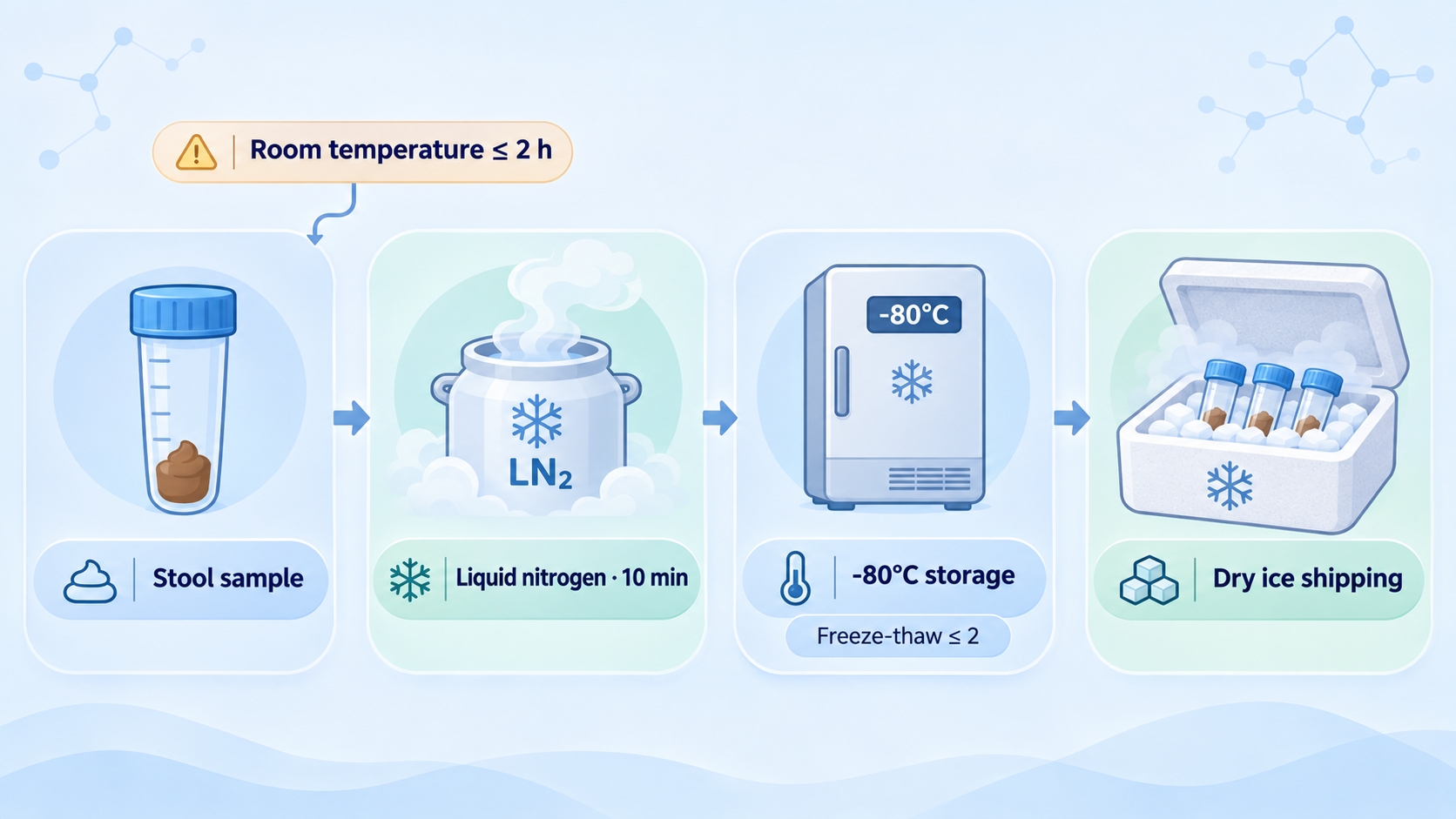
Figure 3. Freezing, storage, and shipping of fecal samples.
Information to Provide Before Submission
1. Sample Details and Handling Records
Prepare a sample inventory linking each specimen to its source, material form, available quantity, and handling history. Provide information for individual samples rather than a general description of the collection batch. The following checklist summarizes the information needed for sample review.
|
Information category |
Details to provide |
|
Sample identification |
Unique sample ID, source, and species. |
|
Submitted material and quantity |
Stool, fecal supernatant, or extracted protein; stool weight, supernatant volume, or protein mass. |
|
Collection information |
Collection date and time; sampling location within the stool; whether portions from multiple locations were mixed. |
|
Additives and solution composition |
Names and composition of collection fluids, preservatives, stabilizers, extraction buffers, or other reagents used. |
|
Storage history |
Storage temperature, room-temperature exposure, and known freeze–thaw events. |
|
Stool characteristics |
Watery, mucus-containing, bloody, unusually hard stool, or visible undigested food residue. |
|
Biosafety information |
Known infectious diarrhea, bacterial or viral pathogen status, and whether required inactivation has been completed. |
When collection or storage conditions differ among specimens, link each difference to the corresponding sample ID. Mark unavailable information as unknown rather than estimating collection dates, storage temperatures, or thawing events. Complete records help distinguish documented sample conditions from details that still need clarification.
2. Stool Characteristics and Biosafety Information
Watery, mucus-containing, bloody, and hard stool samples can be considered for analysis, but the sample characteristics must be disclosed before submission. Visible undigested food residue should also be recorded because the residue may affect the representativeness of the collected portion. Record unusual characteristics against the corresponding sample IDs.
Samples associated with infectious diarrhea or known bacterial or viral pathogens require prior biosafety evaluation and, in principle, must be inactivated before submission. Uninactivated high-risk samples are not accepted. Severely contaminated or decomposed samples are also not accepted.
For an explanation of how fecal composition, unusual stool characteristics, sample heterogeneity, and protein degradation can affect analysis, see Sample-Related Challenges in Fecal Proteomics.
Frequently Asked Questions
1. Does the name of a commercial collection kit confirm that the sample is suitable for proteomics?
No. Compatibility depends on the reagents in the kit, not the product name alone. Provide the collection-fluid or preservative name, its composition, and how it was used. Kits containing incompatible fixatives or strong preservation solutions are not accepted.
2. Can archived fecal samples be reviewed if some collection or storage records are missing?
Yes, the available information can be submitted for an initial review. Identify missing details clearly and do not estimate unknown storage temperatures or thawing events. Sample suitability can then be assessed using the records and the available sample condition.
3. Does meeting the minimum sample amount guarantee that a specimen can be analyzed?
No. Sample quantity is one consideration in the assessment. The material form, sample condition, storage history, and intended analysis are also reviewed. Contact MtoZ Biolabs before shipment if the specimen is close to the minimum amount or has unusual handling conditions.
4. Does inactivation automatically qualify a pathogen-positive sample for submission?
No. Samples associated with infectious diarrhea or known pathogens require prior biosafety evaluation. Disclose the pathogen information and the inactivation procedure before shipment. Uninactivated high-risk samples are not accepted, and suitability should be confirmed before arranging submission.
Conclusion
Preparing fecal samples for proteomics requires attention to the material submitted, the way the specimen is collected, and the conditions maintained before shipment. Representative sampling, clear disclosure of additives and unusual sample characteristics, and consistent storage and transportation records help the laboratory understand the condition of each specimen. A complete sample inventory also makes it easier to identify information that needs clarification before analysis.
For a broader overview of fecal proteomics, including sample preparation, analytical approaches, and research applications, see Fecal Proteomics: Sample Preparation, Analysis, and Applications. Researchers with existing samples or defined research objectives can contact MtoZ Biolabs through Fecal Proteomics Solutions to review sample suitability and confirm project-specific submission requirements.
