Definitive Screening Design for Library-Free DIA-MS
MtoZ Biolabs provides library-free DIA-MS method optimization services using systematic acquisition parameter evaluation and Definitive Screening Design (DSD) approaches when customized DIA workflow development is required.
The workflow supports quantitative proteomics and peptidomics studies without requiring separately acquired experimental spectral libraries, with acquisition strategies optimized according to sample characteristics and analytical objectives.
- Library-free DIA-MS method optimization
- Systematic DIA acquisition parameter evaluation
- Customized workflows for proteomics and peptidomics studies
Service Overview
Data-independent acquisition mass spectrometry (DIA-MS) is widely used for quantitative proteomics and peptidomics studies due to its reproducible and comprehensive data acquisition strategy. However, DIA performance depends on multiple factors, including sample complexity, chromatographic conditions, acquisition parameters, and analytical objectives.
Library-free DIA-MS enables peptide and protein analysis without requiring a separately acquired experimental spectral library. This workflow allows DIA data analysis without additional experimental library generation while supporting quantitative comparison across experimental conditions. For projects requiring customized DIA workflow development, Definitive Screening Design (DSD), a Design of Experiments (DoE) approach, can be applied to systematically evaluate multiple acquisition parameters and identify suitable DIA conditions.
MtoZ Biolabs provides Definitive Screening Design for Library-Free DIA-MS services by integrating DIA method evaluation, parameter optimization, LC-MS/MS acquisition, and quantitative data analysis.
Technical Principles
1. Definitive Screening Design for DIA Method Optimization
Definitive Screening Design (DSD) is a Design of Experiments approach that can be applied during DIA method development to systematically evaluate multiple acquisition parameters. By assessing multiple variables within a structured experimental design, DSD helps identify factors that influence DIA performance and supports selection of suitable acquisition conditions for specific analytical objectives.
2. Library-Free DIA-MS Analysis
Library-free DIA-MS enables peptide and protein analysis without requiring a separately acquired experimental spectral library. This workflow can be considered when experimental library generation is not preferred or when project-specific analytical requirements require a customized DIA strategy.
When This Service Is a Good Fit
This service may be suitable for projects where:
- A customized DIA workflow is required for a new or challenging sample type
- Multiple DIA acquisition parameters need systematic evaluation before analysis
- Available sample material is limited and additional experimental library generation is undesirable
- Existing DIA workflows require further optimization for a specific analytical objective
- A tailored DIA strategy is needed for specialized proteomics or peptidomics studies
For routine DIA projects with established workflows, additional method optimization may not always be necessary.
Analysis Workflow
1. Project Evaluation
Sample characteristics, analytical objectives, experimental design, and available sample amount are reviewed to determine whether customized DIA optimization is required.
2. Optimization Design
Relevant acquisition parameters and evaluation criteria are selected according to project requirements.
3. DIA Parameter Screening
A structured optimization strategy is applied to evaluate selected parameters and determine suitable DIA acquisition conditions.
4. Library-Free DIA-MS Acquisition
The optimized DIA workflow is applied to study samples for peptide or protein identification and quantitative analysis.
5. Quantitative Data Analysis
DIA data are processed according to project requirements to generate quantitative proteomic or peptidomic results.
Service Advantages
1. Systematic DIA Method Optimization
DSD-based experimental design enables structured evaluation of multiple DIA-related variables for customized method development.
2. Reduced Requirement for Experimental Libraries
Library-free DIA workflows reduce dependence on separately acquired experimental spectral libraries, helping minimize additional sample and instrument requirements.
3. Customized Acquisition Strategies
DIA acquisition parameters are selected and optimized according to sample characteristics, analytical objectives, and study requirements.
4. Data-Driven Method Selection
Optimization decisions are supported by predefined analytical criteria, helping identify suitable DIA conditions for specific research projects.
Deliverables
Depending on project requirements, deliverables may include:
- DIA method optimization summary
- Method evaluation results
- Protein or peptide identification results
- Quantitative data matrix
- Differential analysis results when applicable
- Functional annotation and pathway analysis when included
- Final project report
Applications
Library-free DIA-MS method optimization can support research areas including:
1. Biomarker Research
Supporting quantitative profiling of candidate proteins or peptides in biomarker-related studies.
2. Disease Mechanism Studies
Enabling comparative molecular analysis to investigate protein or peptide changes associated with biological processes.
3. Drug Discovery and Development
Supporting evaluation of molecular responses and treatment-related changes in pharmacological research.
4. Neuroscience and Neuropeptide Research
Facilitating quantitative analysis of neuropeptides and related molecular changes.
5. Systems Biology and Multi-Omics Research
Providing quantitative proteomic information for integration with other omics datasets.
FAQ
Q1: Does every DIA project require DSD optimization?
No. Many routine DIA projects can be performed using established acquisition workflows. DSD is mainly considered when customized method development or systematic parameter evaluation is required.
Q2: What are the advantages of library-free DIA-MS?
Library-free DIA-MS does not require a separately acquired experimental spectral library, which can reduce additional sample and instrument requirements associated with library generation.
Q3: Can library-free DIA-MS be applied to peptidomics studies?
Yes. Library-free DIA-MS can be applied to peptidomics studies when the acquisition strategy and data analysis workflow are appropriately designed for the target peptides and sample characteristics.
Contact Us
Library-free DIA-MS method optimization should be matched to sample characteristics, analytical objectives, and available resources.
Share your project details with MtoZ Biolabs, and our technical team can help evaluate whether an established DIA workflow or customized method optimization strategy is appropriate. Free project consultation is available.
MtoZ Biolabs, an integrated chromatography and mass spectrometry (MS) services provider.
Related Services
Data-Dependent Acquisition Service
DIA Quantitative Proteomics Analysis Service
DIA MS (Data-Independent Acquisition Mass Spectrometry)-Based Quantitative Service
Demo for DIA Proteomics Analysis
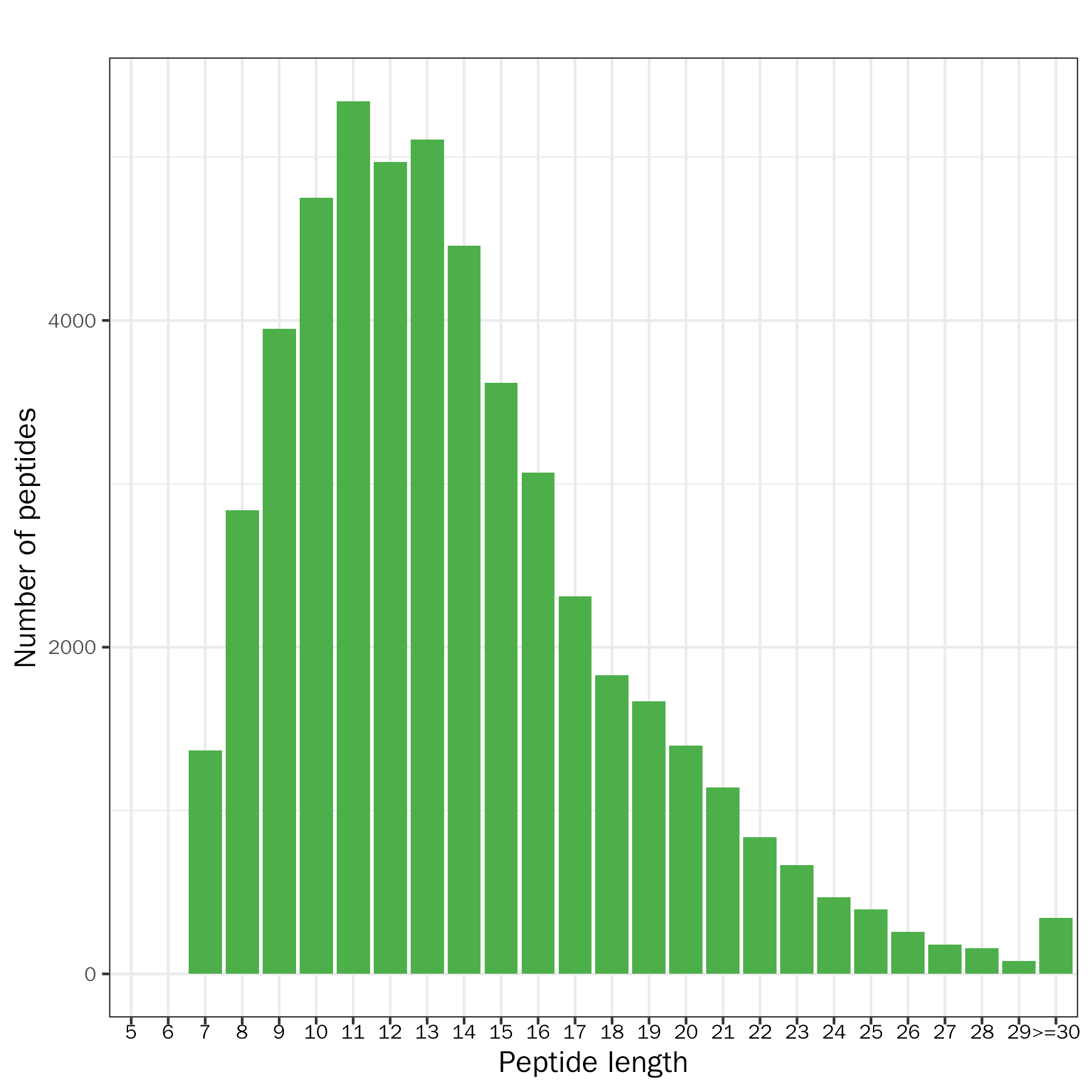
Peptide Length Distribution
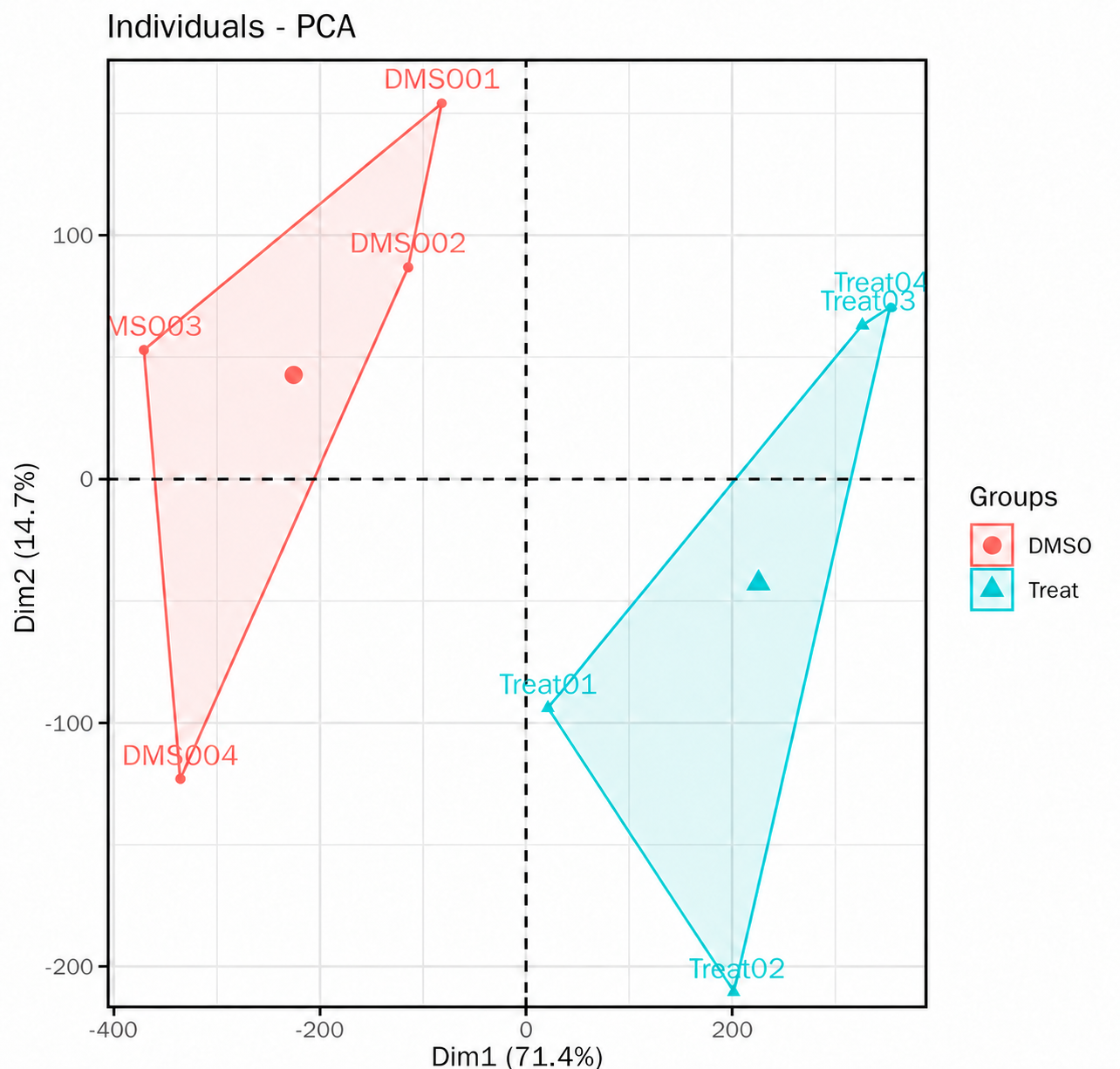
PCA Plot of Sample Grouping
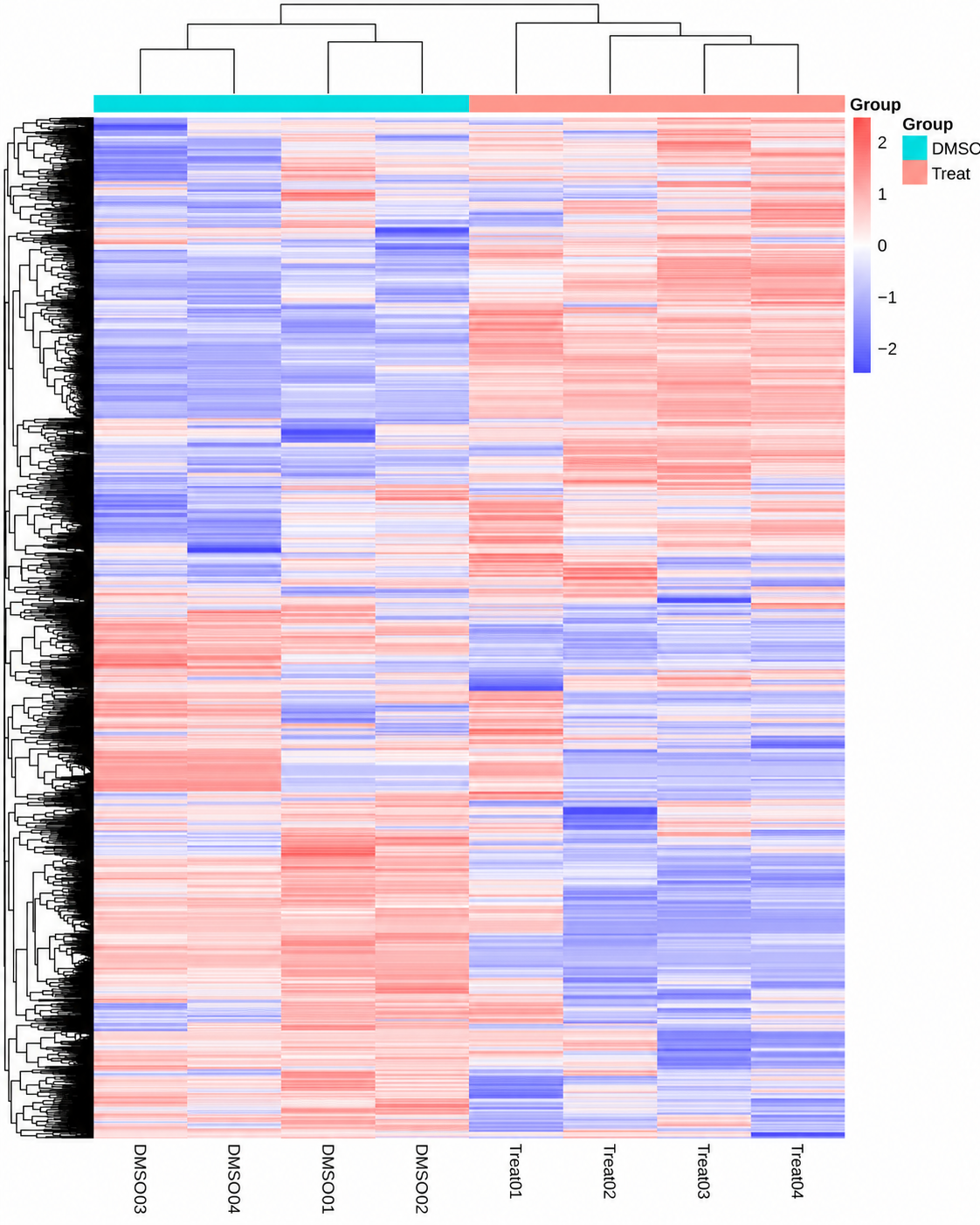
Hierarchical Clustering of Protein Abundance