



Protein-protein interaction analysis asks which proteins remain with a bait after capture and matched controls. CUT&Tag technology applications do not answer that question. They ask which genomic regions are occupied by a named chromatin protein or histone mark after antibody-guided tagmentation, IgG or no-primary contrast, and peak ranking. The path fits cells or nuclei when a CUT&Tag-competent antibody exists and the claim is occupancy, not protein-protein contact or functional regulation (Kaya-Okur et al. 2019). Prefer this application when the written question is a chromatin occupancy map. Reassess when the antibody is Western-only, IgG is missing, or an application paragraph is written as a PPI or disease mechanism.
Researchers who already have a named chromatin target, antibody status, and a written occupancy claim can also review the MtoZ Biolabs CUT&Tag Analysis Service for application-specific feasibility.
Which Experimental System Can Support a CUT&Tag Application
A CUT&Tag application is a protein-chromatin occupancy use case. An antibody binds a histone mark or a chromatin-associated protein in permeabilized cells or nuclei. A protein A/G-Tn5 fusion then tagments nearby DNA. Sequencing ranks those fragments. That is the only application class this method can carry. It is not a more complete protein-protein interaction method, and it is not a substitute for recovering proteins on a protein bait.
The system is readable when three things are named before any disease or pathway sentence is added. First, the target is a chromatin feature. Second, the antibody is plausible under CUT&Tag conditions. Third, cells or nuclei can be permeabilized without destroying the epitope. What the method itself is asking is covered in What Is CUT&Tag? Principles, Workflow, and Advantages Explained. A histone-mark map is one named application, not a general chromatin-biology review, and is judged in Histone Modification CUT&Tag: Occupancy Maps and Limits.
When the written sentence is which proteins remain with a protein bait, use Protein-Protein Interaction Analysis instead of applying CUT&Tag.
The system is a poor application when no CUT&Tag-competent antibody exists, when the material cannot yield intact nuclei, when the binding is too transient for this capture class, or when the claim is reconstituted protein-protein binding. ChIP-seq remains the better first path for some weak transcription-factor targets. Single-cell isolation is an added system constraint, not a broader application.
A CUT&Tag application reports candidate chromatin occupancy in a named system. It does not certify a protein-protein contact.
Negative Controls Before Any Application Result Is Kept
Negative controls belong to every application, including low-input, histone-mark, transcription-factor, and single-cell use cases. They are not optional after one disease figure looks clean.
IgG or no-primary arms show antibody-independent tagmentation. They must see the same permeabilization, Tn5 activation, and library recipe as the target antibody. A longer wash on the target only, or a different activation window on the control, makes the application unreadable. Input DNA from a ChIP-seq notebook is not automatically a CUT&Tag control. Beads-only from an IP-MS notebook does not replace IgG.
A no-Tn5 or killed-enzyme arm, when used, shows carryover DNA that was not created by targeted tagmentation. Spike-in can compare batches. It does not replace IgG. A second disease group is not a negative control unless that comparison is the written occupancy question.
System check |
What a pass looks like |
What the analysis cannot say |
|---|---|---|
Experimental system |
Named chromatin target, CUT&Tag-competent antibody, intact cells or nuclei |
A PPI bait recovered from a lysate |
Negative control |
IgG or no-primary on the same Tn5 recipe |
Every remaining peak is target-specific |
Candidate screening |
Occupancy ranked versus those controls |
An unfiltered application table as a network |
Result boundary |
Candidate occupied regions under those arms |
Protein-protein contact or gene regulation |
A practical path is:
- Write the occupancy sentence the application must support.
- Confirm the antibody recovers the intended chromatin target in a pilot.
- Process IgG or no-primary with the same tagmentation recipe.
- Rank only regions that pass that contrast.
- Keep a shortlist for an orthogonal RNA, motif, or perturbation assay.
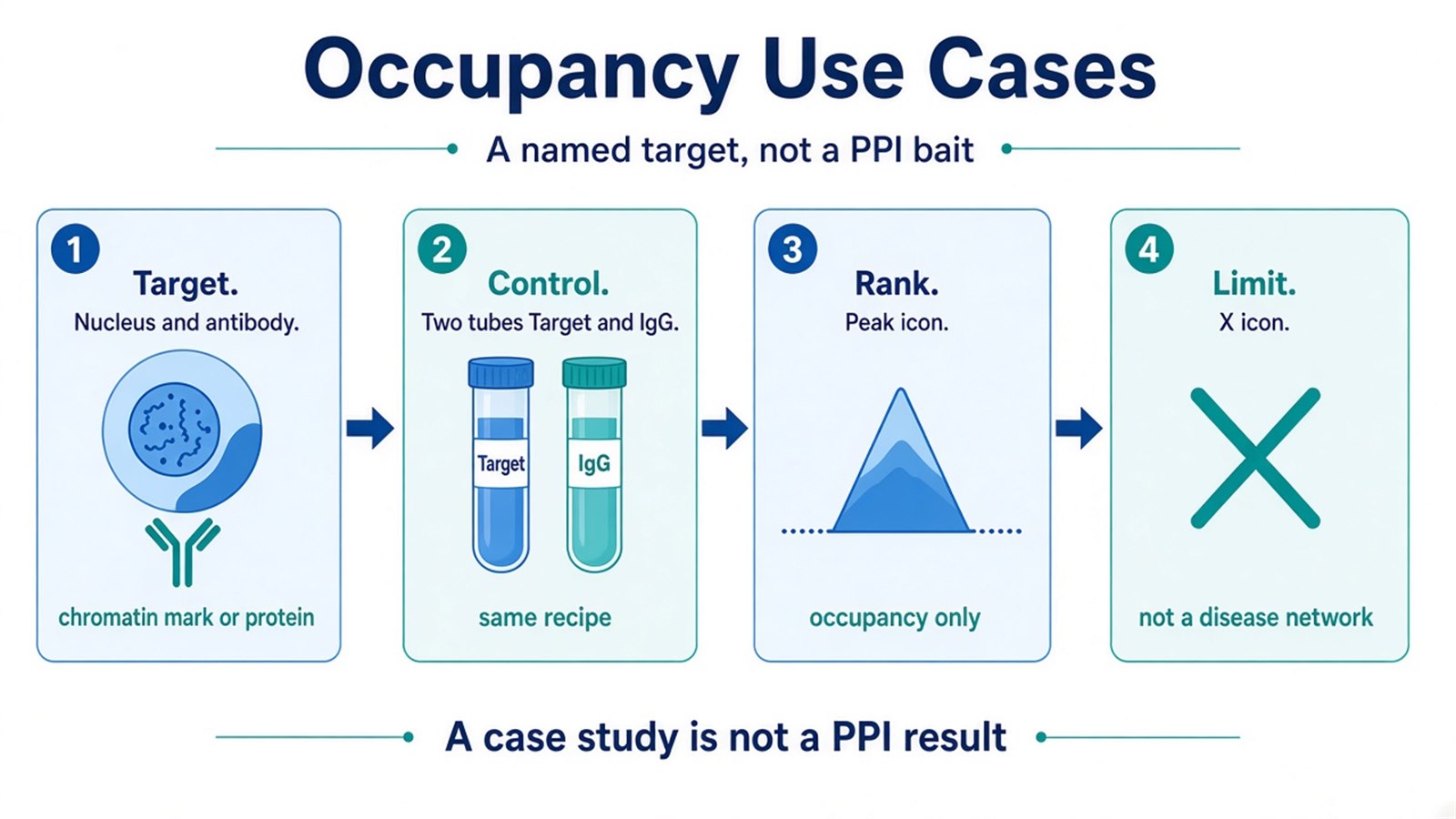
Figure 1. An application starts after the target and IgG arm are named. A disease case study is not an interaction result.
Screening Candidate Occupied Regions in an Application
Candidate screening starts after the target antibody produces fragments above the matched control. If IgG or no-primary looks like the target, stop ranking genes and stop writing the application as completed.
A peak is a contrast against the control recipe. It is not a partner protein. Low input, a histone-mark domain, or a single-cell barcode can change detection. They do not turn occupancy into PPI, and they do not assign a gene as a regulated target. GO, KEGG, or nearest-gene tables are maps. They are not a protein interaction network and they are not a disease mechanism.
Do not write a transcription-factor peak as proof that the factor regulates that gene. Do not write a histone-mark domain as proof that a locus is active or silenced. Do not write a CUT&Tag application in cancer, development, or immunology as orthogonal validation of occupancy. Those are later biological questions.
Candidate screening ranks occupied regions versus matched negative controls. It does not certify a binary protein-protein or protein-DNA contact.
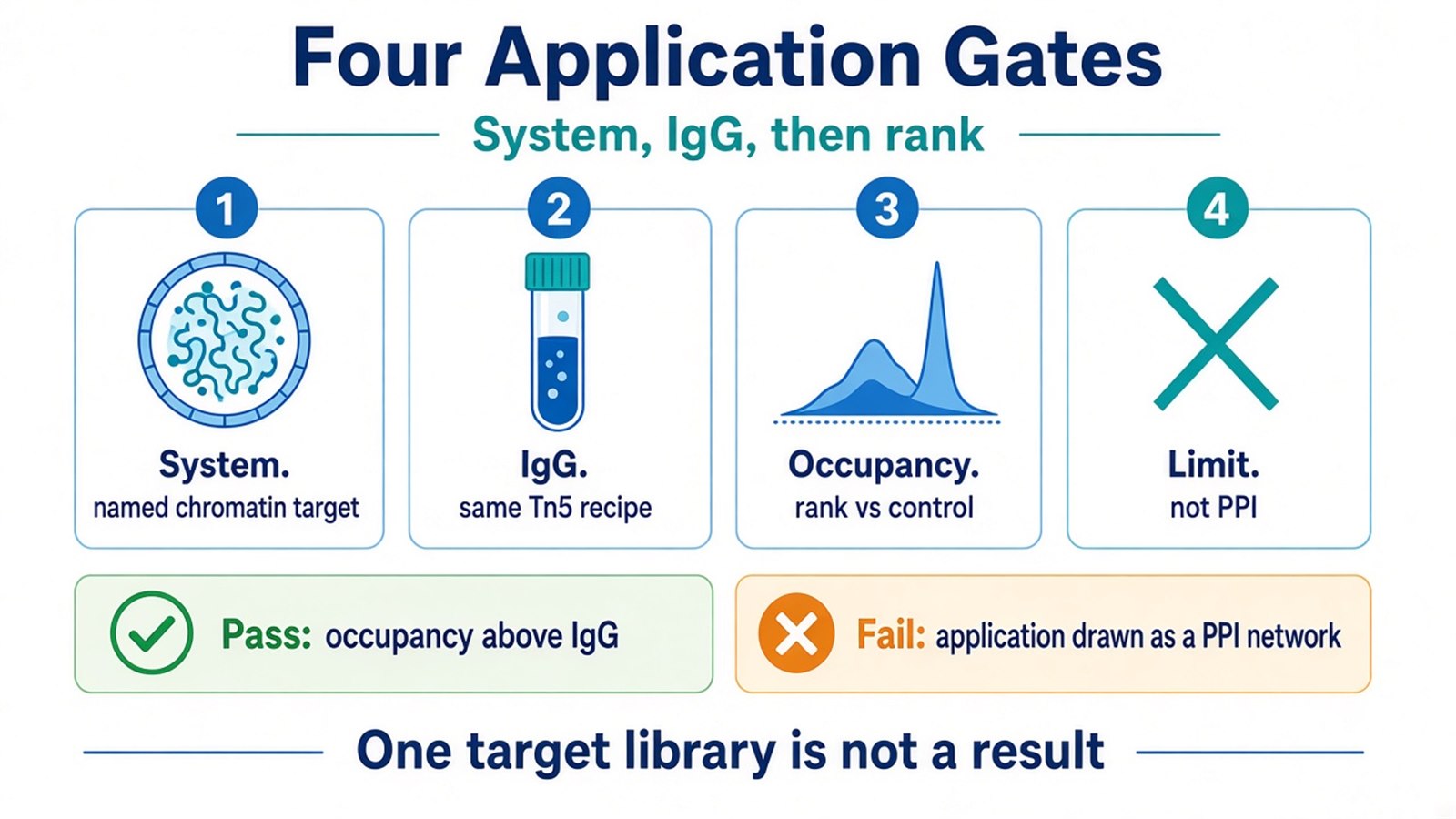
Figure 2. Screening is a control outcome. An application heading is not a substitute for IgG.
Result Boundaries and Common Biases
The common bias is writing CUT&Tag applications as high-sensitivity protein-DNA or protein-protein interaction analysis because an antibody and Tn5 were used. Another bias is pasting a disease paper as the method result. Over-tagmentation can fill an application library with background. Under-permeabilization can hide the epitope.
Do not write a successful target library as proof that remaining peaks contact the protein. Do not write a peak as a functional regulatory site. Do not write CUT&Tag as a replacement for ChIP-seq in every application. Prefer this path when occupancy must be mapped and a CUT&Tag-competent antibody exists. Prefer ChIP-seq when the target is a weak binder without a validated CUT&Tag clone. Prefer protein-protein interaction analysis when the next sentence is which proteins remain with a protein bait.
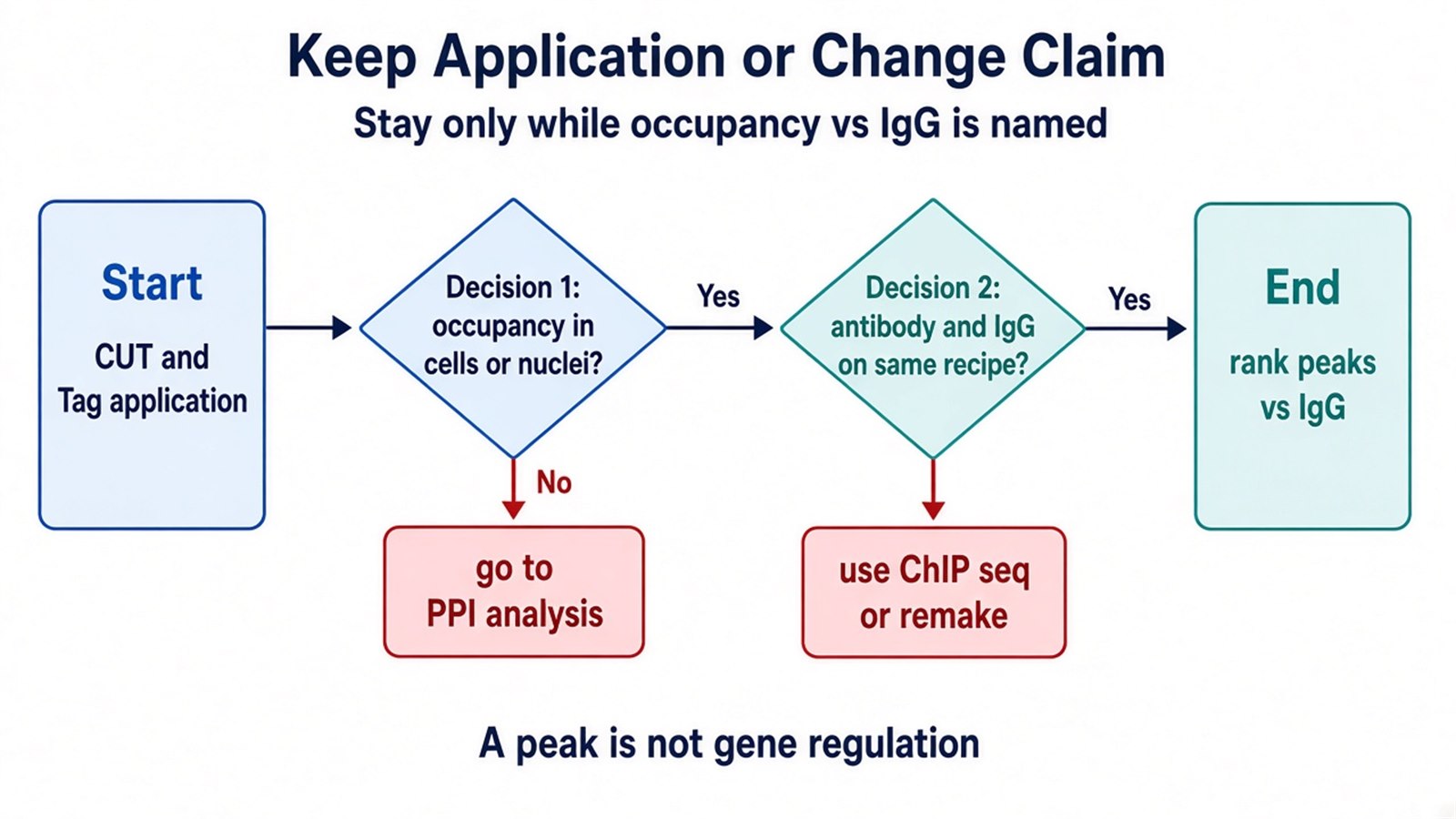
Figure 3. Keep a CUT&Tag application only while occupancy versus IgG can be named. A pathway figure is not a completed interaction analysis.
Once the target, antibody status, negative controls, and the planned ranking are defined, the project can be scoped as a CUT&Tag occupancy application. Researchers can review the MtoZ Biolabs CUT&Tag Analysis Service for sample evaluation and application planning.
Frequently Asked Questions
1. Do CUT&Tag applications analyze protein-protein interactions?
No. They map chromatin occupancy. PPI analysis recovers proteins that remain with a protein bait.
2. Can I skip IgG because the application is low-input or single-cell?
No. IgG or no-primary must see the same Tn5 recipe. One target library is not a CUT&Tag result.
3. Does a CUT&Tag peak in a disease study mean the gene is regulated?
No. A peak is occupancy versus control. Regulation needs a perturbation or other orthogonal assay.
4. Does CUT&Tag replace ChIP-seq for every application?
No. It is a different occupancy class. ChIP-seq remains the first path for some weak targets or when no CUT&Tag-competent antibody exists.
5. When should an application move to a PPI or pair assay?
Move when the next written sentence is protein-protein contact, direct DNA contact, or affinity. Keep the occupancy shortlist as the input, not as the proof.
Reference
- H.S. Kaya-Okur, S.J. Wu, C.A. Codomo, E.S. Pledger, T.D. Bryson, J.G. Henikoff, K. Ahmad, S. Henikoff (2019). CUT&Tag for efficient epigenomic profiling of small samples and single cells. Nat. Commun., 10, 1930. https://doi.org/10.1038/s41467-019-09982-5
