Protein Network Analysis Service
MtoZ Biolabs provides protein network analysis service to support protein interaction network construction, functional enrichment, network module identification, and candidate protein prioritization using proteomics and interaction datasets.
Integrate protein associations, quantitative data, and functional annotations to identify key network modules, explore biological pathways, and prioritize candidates for further investigation.
- Evidence-Based Network Analysis
- Customized Analysis for Diverse Datasets
- Visualized Results
Overview
Protein network analysis organizes interconnected proteins, functional modules, and pathways into networks, helping researchers understand proteomics findings in the broader context of specific biological questions.
MtoZ Biolabs performs network analysis using proteomics results, candidate protein lists, and protein interaction datasets to help researchers interpret their findings and identify candidates for further investigation.

Too, I. H. K. et al. PLOS Pathog. 2018.
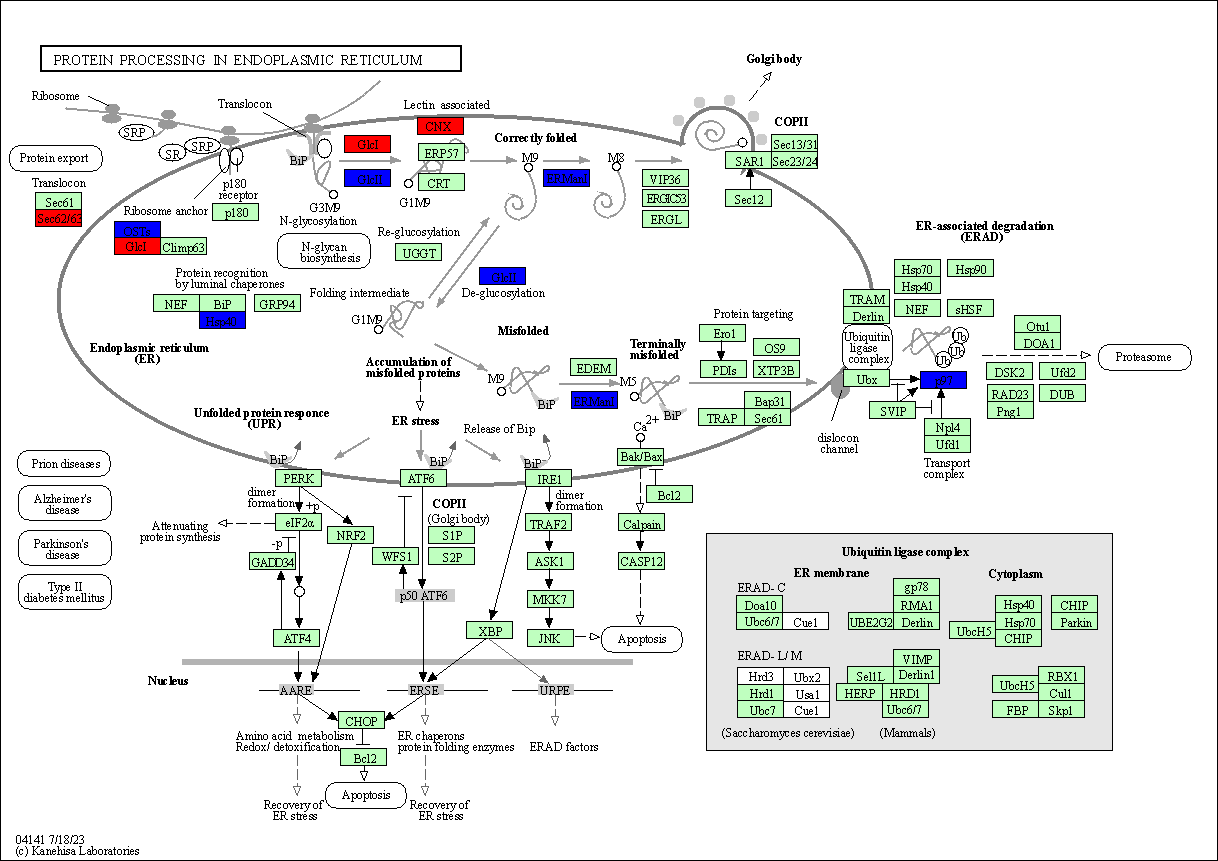
Figure 1. Protein Network Analysis
When Protein Network Analysis Is a Good Fit
Protein network analysis is particularly useful when researchers have obtained protein-level experimental results but need to further interpret their biological significance, prioritize candidates, or plan subsequent investigations.
1. Discovery Proteomics Data Interpretation
Map differentially abundant proteins to known interaction networks and functional pathways to understand the broader biological patterns underlying individual protein changes.
2. Candidate Protein Prioritization
Integrate network connectivity and functional associations to identify candidate proteins for further investigation.
3. Comparison Across Experimental Conditions
Compare protein groups, network modules, and pathways across different treatments, genotypes, or time points.
4. Biological Mechanism Studies
Investigate how interconnected proteins may participate in signaling, metabolism, gene regulation, and other biological processes.
5. Target Research
Integrate network evidence to prioritize potential biomarkers or drug target candidates for further evaluation.
Service at MtoZ Biolabs
MtoZ Biolabs provides protein network construction, functional enrichment, network module analysis, and comparative analysis services. These approaches help researchers interpret relationships among proteins using proteomics results, candidate protein lists, or existing interaction datasets and identify candidate proteins and pathways for further investigation.
Depending on the research objectives, data types, and experimental design, the following analytical approaches can be selected.
1. Protein Network Construction and Visualization
Construct protein interaction networks from candidate protein lists, proteomics-derived candidate sets, or existing interaction datasets. Network visualization provides an intuitive view of relationships among proteins and the overall network structure.
2. Functional Enrichment and Pathway Analysis
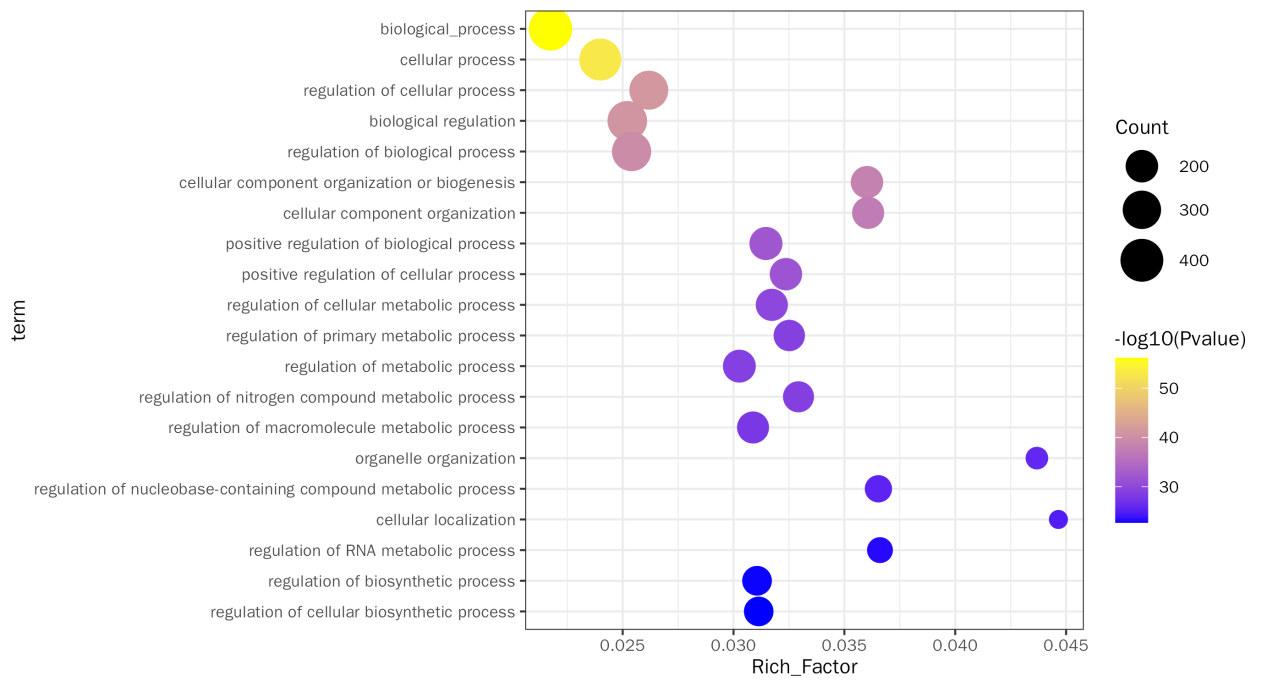
Analyze the biological processes, molecular functions, cellular components, and pathways associated with selected proteins or network modules. These results help researchers interpret the potential biological significance of protein-level changes.
3. Network Topology and Module Analysis
Analyze network connectivity, centrality, and clustering patterns to identify network hub proteins and interconnected protein modules. These findings support candidate prioritization and functional investigation.
4. Quantitative and Comparative Network Analysis
For projects with suitable quantitative data, compare protein abundance patterns, network composition, and module characteristics across experimental conditions. The analysis can be tailored to investigate differences associated with treatments, genetic perturbations, or temporal changes.
5. Candidate Protein and Pathway Prioritization
Integrate network associations, functional enrichment results, and quantitative evidence to prioritize candidate proteins and related pathways, helping researchers identify key targets for subsequent validation and mechanistic studies.
For projects that require experimental identification of protein interaction, our protein interaction analysis service can be evaluated to connect experimental discovery with downstream network analysis.
Service Advantages
1. Evidence-Based Network Interpretation
Network construction and interpretation incorporate available interaction evidence and analytical criteria, helping researchers assess network relationships in the context of their underlying data sources.
2. Research-Specific Analytical Design
Analysis strategies are tailored to the organism, input data, experimental design, and biological questions, rather than relying on a one-size-fits-all workflow.
3. Integrated Visualizations and Data Tables
In addition to network maps, relevant functional enrichment results, module information, and candidate protein lists can be provided to facilitate data interpretation and subsequent research planning.
4. One-Time Charge
Our pricing is transparent, with no hidden fees or additional costs.
Applications
1. Discovery Proteomics Data Interpretation
Integrate differentially abundant proteins with interaction networks and functional annotations to identify biological patterns beyond individual protein changes.
2. Biological Mechanism Studies
Analyze protein modules and associated pathways to investigate potential mechanisms involving signaling, metabolism, gene regulation, and other biological processes.
3. Biomarker and Drug Target Research
Prioritize candidate proteins by integrating network context, functional associations, and quantitative evidence to support further evaluation.
4. Network Comparisons Across Experimental Conditions
Compare protein-level changes and network organization across experimental conditions to investigate the effects of treatments, genetic modifications, or environmental changes on biological systems.
5. Protein Substrate and Host-Pathogen Research
Integrate candidate protein lists with interaction resources to identify interconnected protein groups and explore their potential biological significance.
Case Study
1. Protein Network Analysis Identifies SARS-CoV-2 Enzyme Substrates
This study utilized substrate phage display and protein network analysis to identify the substrates of SARS-CoV-2 PLpro and 3CLpro enzymes in the human proteome. By constructing protein interaction networks, the study revealed the potential roles and interactions of these viral enzymes within host cells, providing valuable insights into the pathogenesis of COVID-19. This case illustrates the application of Protein Network Analysis Service in viral research, protein interactions, and drug target discovery, underscoring its significance in disease mechanism exploration and drug development.

Zhao, K. et al. JBC. 2023.
Figure 2. Protein Network Analysis of PLpro and 3CLpro Putative Protein Substrates
Sample Submission Suggestions
For standalone protein network analysis projects, submission requirements depend primarily on the available data rather than a fixed biological sample quantity. The following information helps determine an appropriate analytical strategy.
1. Candidate Protein List
Provide gene symbols or protein identifiers, such as UniProt IDs, together with the organism and relevant biological context.
2. Proteomics Results
Submit protein identification tables, normalized abundance matrices, differential analysis results, and available experimental group information.
3. Interaction Datasets
Provide protein pair lists, together with available evidence sources, interaction scores, or confidence annotations.
4. Comparative Study Information
For studies comparing experimental conditions, include group definitions, replicate information, treatment conditions, and time points, where applicable.
5. Raw LC-MS/MS Data
If protein identification, quantification, or data reprocessing is required, provide the available raw mass spectrometry files, relevant search results, and associated experimental metadata.
If the project also requires experimental data generation, sample type, quantity, buffer composition, storage and transport conditions, and control requirements should be evaluated separately according to the selected experimental workflow.
Deliverables
1. Protein interaction network maps and visualization files
2. Protein node and interaction edge tables
3. Functional enrichment and pathway analysis tables
4. Network module, hub protein, and prioritized candidate protein lists
5. Comparative analysis results for projects involving multiple experimental conditions
6. Processed analytical data files in agreed-upon formats
7. A PDF analysis report
FAQs
Q1: Can protein network analysis be performed using only a list of differentially abundant proteins?
Yes. A list of differentially abundant proteins can be mapped to suitable interaction resources for network connectivity analysis, functional enrichment, and potential module identification. However, without quantitative values or experimental metadata, detailed comparisons of protein abundance across experimental conditions may be limited.
Q2: Can protein networks be compared across different experimental conditions?
Yes, provided that the input data support the intended comparisons. Protein abundance data from different experimental groups, relevant metadata, and consistent analytical criteria can be used to investigate changes in protein composition, network modules, and enriched pathways across conditions.
Q3: Does protein network analysis include experimental validation?
Network construction and bioinformatics analysis do not automatically include experimental validation. If selected candidates require further investigation, suitable protein interaction assays or other experimental approaches can be discussed separately according to the research objectives.
Contact Us
Have a protein list or proteomics dataset that needs further interpretation? Share your research objectives and available data with MtoZ Biolabs. We can help determine the appropriate network analysis strategy and identify the results most relevant to your study.
MtoZ Biolabs, an integrated chromatography and mass spectrometry (MS) services provider.
Related Services
Demo for Protein Network Analysis

PPI Network Analysis
GO Enrichment Analysis