Protein Interaction Network Analysis Service
MtoZ Biolabs provides Protein Interaction Network Analysis Service using STRING to map differential or candidate proteins, construct protein association networks, and display supporting evidence and confidence scores.
Integrating interaction evidence retrieval, confidence-based filtering, and network visualization, the service helps researchers interpret proteomics results and explore relationships among candidate proteins.
- STRING-Based Protein Mapping
- Interaction Evidence Analysis
- Confidence-Based Network Filtering
- Protein Interaction Network Visualization
Overview
Protein interaction network analysis organizes protein associations into visual networks, helping researchers interpret differential proteomics findings and explore relationships among candidate proteins.
MtoZ Biolabs maps candidate proteins to STRING to examine protein associations, supporting evidence, and confidence scores.
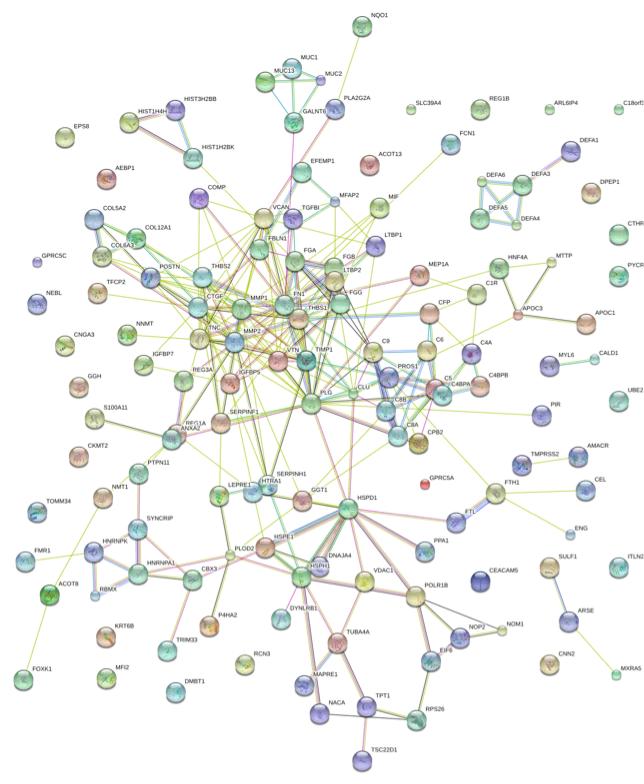
Figure 1. Evidence of Differential Expressed Protein Interactions from Different Sources
What Is Protein Interaction Network Analysis?
Protein interaction networks represent proteins as nodes and their relationships as edges. These relationships may reflect physical interactions, functional associations, or computational predictions.
STRING integrates experimental data, curated databases, text mining, and computational predictions to evaluate protein associations. Its combined confidence score reflects the evidence supporting an association, not directly measured binding affinity.
When Protein Interaction Network Analysis Is a Good Fit
1. Differential Proteomics Interpretation
Explore associations among differentially abundant proteins.
2. Interaction Evidence Analysis
Examine the evidence supporting protein associations.
3. Candidate Prioritization
Identify proteins for further investigation based on network relationships.
4. Biological Mechanism Research
Explore protein associations related to signaling, metabolism, and other biological processes.
5. Experimental Planning
Identify candidate relationships for follow-up validation.
Service at MtoZ Biolabs
MtoZ Biolabs provides STRING-based protein interaction network analysis through four core service components.
1. Protein Mapping and Network Construction
Map differential proteins or candidate lists to STRING and construct networks to explore protein associations.
2. Evidence and Confidence Analysis
Review available evidence sources and combined confidence scores to support network interpretation and filtering.
3. Network Visualization
Visualize protein associations through applicable evidence, confidence, and functional action views.
4. Network Results and Candidate Prioritization
Organize protein associations and available differential data to support candidate selection and follow-up research.
Projects requiring broader topology analysis, functional enrichment, module identification, or experimental interaction identification can be evaluated separately.
Analysis Workflow
1. Project Assessment
Confirm research objectives, organism, input data, and expected results.
2. Data Preparation
Standardize protein identifiers and map proteins to STRING.
3. Evidence Retrieval
Retrieve protein associations and supporting evidence.
4. Network Construction
Apply agreed filtering criteria and generate network visualizations.
5. Reporting
Compile network results and associated data into a project report.
Service Advantages
1. Evidence-Based Interpretation
Examine protein associations alongside available supporting evidence.
2. Research-Specific Analysis
Tailor mapping and filtering criteria to the organism, data, and research objectives.
3. Multiple Network Views
Visualize evidence, confidence, and functional action relationships.
4. One-Time Charge
Our pricing is transparent, with no hidden fees or additional costs.
Applications
1. Differential Proteomics
Explore relationships among proteins identified across experimental conditions.
2. Biological Mechanism Research
Investigate interconnected proteins and their potential biological relevance.
3. Candidate Protein Prioritization
Identify candidates for further functional studies or experimental validation.
4. Disease-Associated Protein Research
Explore associations among proteins differentially abundant in disease-related studies.
Sample Submission Suggestions
For standalone STRING-based analysis, protein lists or existing proteomics data are the primary inputs.
1. Protein List
Provide gene symbols or protein identifiers, such as UniProt IDs, and specify the organism.
2. Differential Results
Include fold changes, normalized abundance values, p-values, and adjusted p-values/FDR when available.
3. Experimental Information
Specify control and treatment groups and relevant conditions.
4. Existing Interaction Data
Provide protein pair lists and available evidence annotations, if applicable.
5. Raw LC-MS/MS Data
Supply raw files and experimental metadata if protein identification, quantification, or differential analysis is also required.
Deliverables
1. STRING-based protein interaction network visualizations.
2. Protein association tables with available evidence and confidence scores.
3. Filtered protein association datasets.
4. Applicable evidence, confidence, and functional action views.
5. Candidate protein association results.
6. PDF analysis report.
FAQs
Q1: Can analysis be performed using only a differential protein list?
Yes. A protein list with appropriate identifiers and organism information can be mapped to STRING. Quantitative data and experimental metadata provide additional context.
Q2: What does the STRING combined score represent?
It summarizes the evidence supporting a protein association. It does not represent directly measured binding affinity. Filtering thresholds depend on research objectives and desired network coverage.
Q3: Does a STRING network prove direct physical interactions?
No. STRING includes physical interaction evidence, functional associations, and computational predictions. Direct physical interactions require appropriate experimental evidence.
Contact Us
Have a differential protein list or proteomics dataset that needs further interpretation? Share your organism, protein identifiers, analysis results, and research objectives with MtoZ Biolabs. Our team can assess a suitable STRING-based network analysis strategy for your project.
MtoZ Biolabs, an integrated chromatography and mass spectrometry (MS) services provider.
Related Services
Demo for Protein Interaction Network Analysis
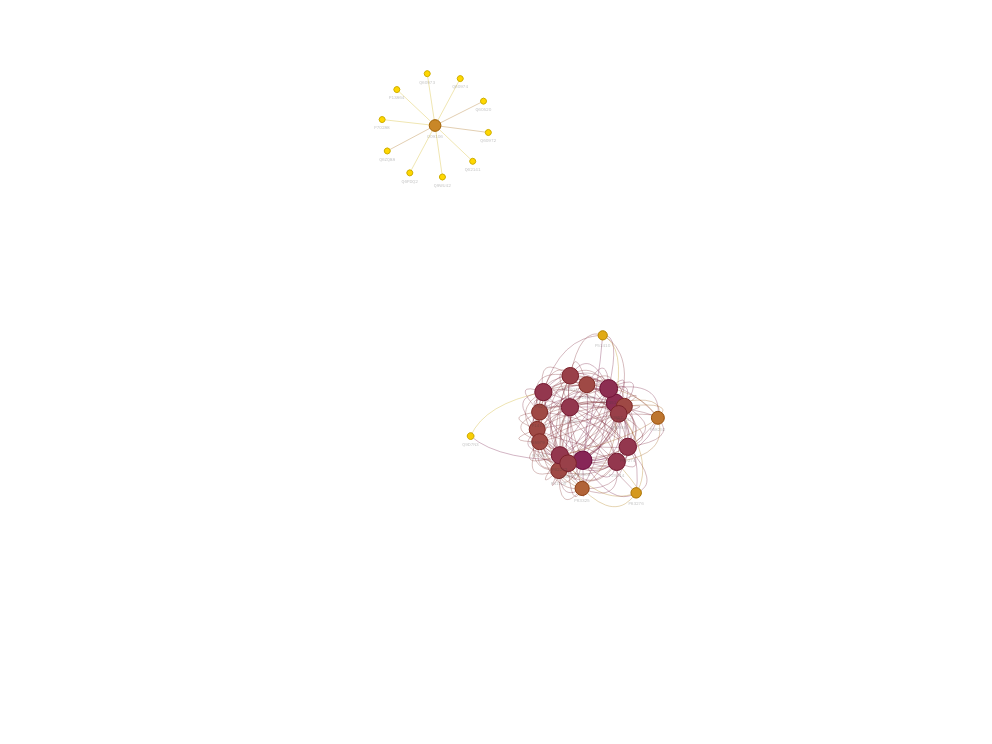
PPI Network Analysis
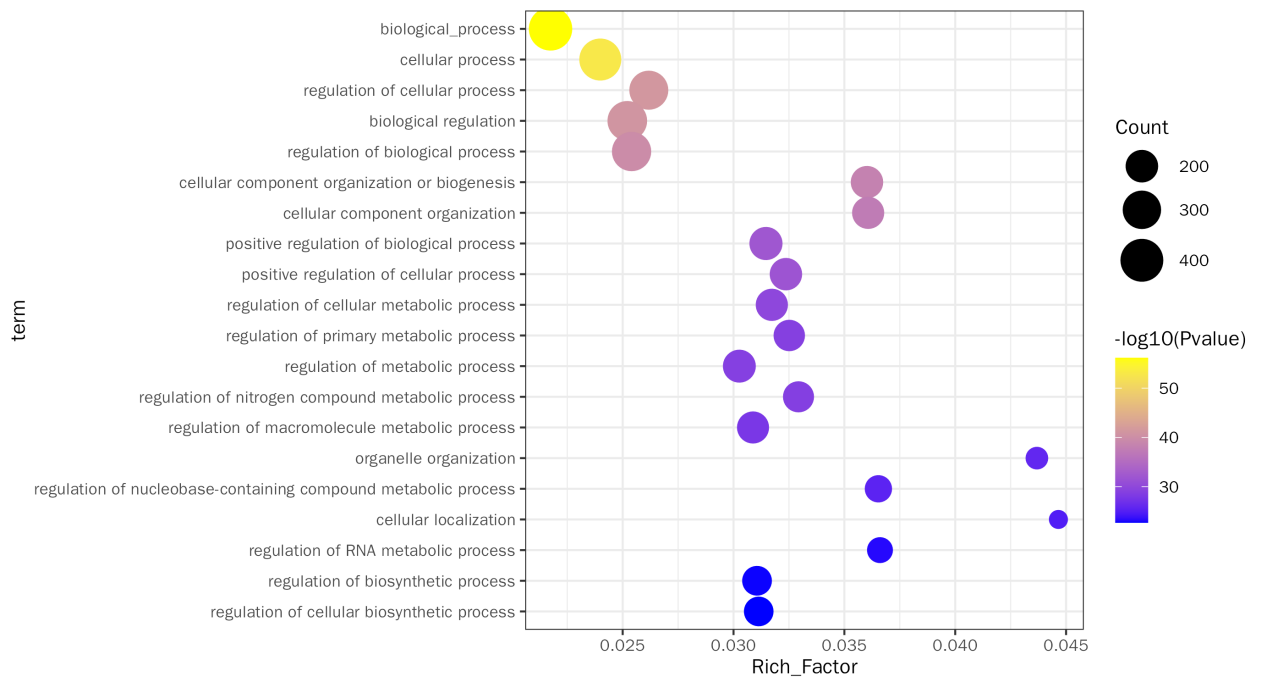
GO Enrichment Analysis