Proximity Extension Assay Service
MtoZ Biolabs provides Proximity Extension Assay Service for multiplex measurement of predefined protein targets using paired-antibody proximity recognition and signal amplification.
PEA is suited to targeted protein profiling when researchers need to compare multiple predefined proteins across serum, plasma, or tissue lysate samples with limited sample input.
- Paired-antibody recognition for targeted protein measurement.
- Multiplex measurement of predefined protein targets.
- Supports serum, plasma, and tissue lysate analysis.
What Is Proximity Extension Assay?
Proximity Extension Assay (PEA) is a dual-recognition immunoassay technology used for multiplex measurement of predefined protein targets. Each target protein is recognized by a pair of antibodies conjugated to specific oligonucleotides. Only when both antibodies bind to different epitopes on the same target protein do the conjugated oligonucleotides come into proximity and hybridize, followed by extension and amplification to generate a detectable reporter signal corresponding to the protein-recognition event.
The reporter signal generated through extension can be read using platforms such as qPCR or NGS, and the signal intensity is used to reflect the relative level of the corresponding target protein. By combining paired-antibody proximity recognition with an amplifiable reporter signal, PEA enables parallel measurement of multiple predefined proteins with limited sample input and supports comparison of protein abundance across multiple samples.
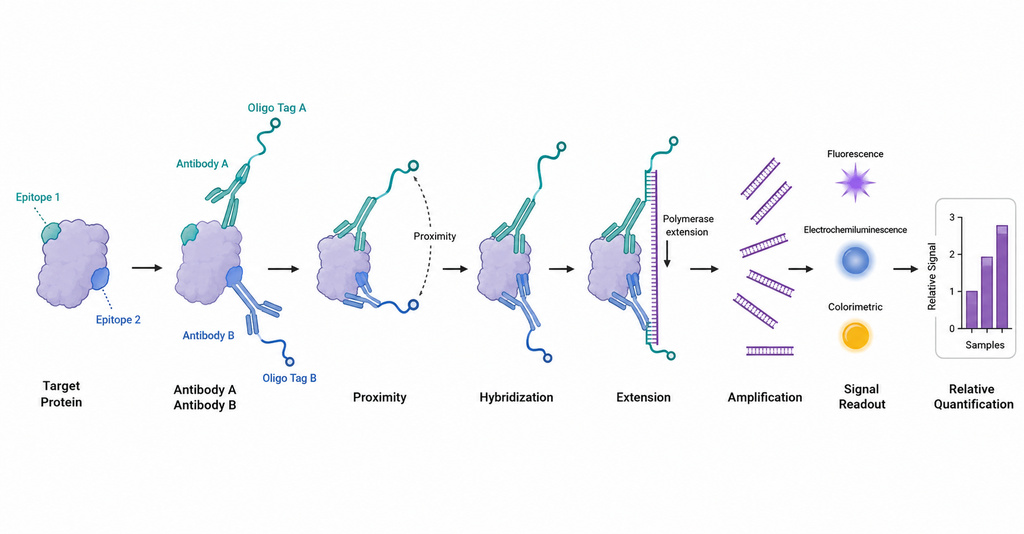
Figure 1. PEA Principle.
Service at MtoZ Biolabs
MtoZ Biolabs provides Proximity Extension Assay Service, integrating sample and panel information evaluation with antibody incubation, proximity extension, signal readout, and quantitative analysis. Serum, plasma, tissue lysates, and other sample types can be analyzed, with assay arrangements determined according to group design, sample number, and available sample amount. Upon completion of the assay, target protein quantitative results and quality-control information can be obtained and used for subsequent between-group comparisons and statistical analysis.
When This Service Is a Good Fit
- Defined candidate proteins or predefined targets are available, and multiple proteins need to be measured simultaneously in the same sample.
- Research focuses on low-abundance candidate proteins in complex biofluids such as serum or plasma, with suitable PEA antibody pairs or assay panels available for the target proteins.
- Sample amount is limited, and multiplex measurement is needed to reduce sample consumption associated with measuring multiple proteins separately.
- Candidate proteins identified through discovery proteomics need to be compared across multiple samples or evaluated through supplementary targeted validation.
Analysis Workflow
1. Sample and Target Evaluation
Confirm sample type, target proteins or candidate panel, group design, sample number, available sample amount, and research objectives.
2. Paired Antibody Incubation
Incubate samples with paired antibodies conjugated to specific oligonucleotides so that the antibodies can recognize the corresponding target proteins.
3. Dual Recognition and Proximity Hybridization
After both antibodies bind to the target protein, the conjugated oligonucleotides come into proximity and form an extendable structure.
4. Proximity Extension and Signal Generation
Polymerase-mediated extension generates an amplifiable reporter sequence that serves as the template for subsequent signal detection.
5. Signal Amplification and Readout
Amplify and detect the reporter signal. The specific readout method is determined by the PEA platform used and is further processed to generate quantitative results.
6. Quality Control and Quantitative Analysis
Organize target protein quantitative signals, quality-control information, and between-group comparison results; extended statistical or functional analyses are included where applicable.
Why Choose MtoZ Biolabs?
1. Multiplex Measurement Capability
PEA enables parallel measurement of multiple predefined proteins with limited sample input and is suitable for candidate panels and multi-sample comparative studies.
2. One-Stop Analysis
MtoZ Biolabs integrates sample and target information evaluation with PEA measurement, quality control, and quantitative data processing, allowing the analytical workflow to be coordinated within a single service process.
3. Sample Condition Evaluation
The technical team evaluates assay conditions and sample submission arrangements according to sample type, available sample amount, storage condition, and panel information.
4. Results and Data Delivery
Assay method information, quality-control results, target protein quantitative signals, processed data files, and analysis reports can be provided; extended analyses are included where applicable.
Sample Submission Suggestions
|
Sample Type |
Suggested Information |
|
Serum / Plasma |
Provide the sample type; specify the anticoagulant for plasma. Also provide available sample amount, collection/storage conditions, freeze-thaw history, group design, and target protein information. |
|
Tissue Lysate |
Provide tissue source, lysis/extraction method, buffer system, protein concentration or total amount, storage condition, group design, and target protein information. |
|
Other Sample Types |
Provide sample matrix, preprocessing method, available sample amount, storage information, and target protein information for evaluation of PEA assay suitability by the technical team. |
Sample submission amounts should be determined according to sample type, panel/assay, platform conditions, and available sample amount. During consultation, providing sample source, storage condition, sample number, and available volume/total amount is recommended so that the technical team can evaluate appropriate submission conditions.
Applications
1. Biomarker Candidate Research
Compare predefined candidate proteins across multiple samples to provide protein-level data for biomarker screening and subsequent research.
2. Immune and Inflammation Profiling
Perform multiplex protein comparisons of inflammatory factors, cytokines, and related protein panels for immune- and inflammation-related research.
3. Drug Response Research
Compare changes in candidate protein abundance under different treatment conditions to provide data for studies of drug response and pharmacodynamic-related proteins.
4. Disease-Related Protein Profiling
Compare changes in predefined protein panels across research models or biological states for disease-related protein research and translational research.
5. Candidate Validation after Discovery Proteomics
Perform targeted comparison of candidate proteins identified through LC-MS/MS discovery proteomics across multiple samples to provide supplementary evidence for subsequent validation.
6. Cohort-Based Targeted Protein Comparison
Perform consistent comparisons of the same predefined protein set across larger sample collections to support cohort-based targeted protein research.
Deliverables
1. Sample and assay information records
2. PEA assay method and quality-control information
3. Target protein quantitative signal matrix
4. Normalized or platform-specific processed quantitative data (if applicable)
5. Differential statistics or between-group comparison results (if applicable)
6. Processed data files and analysis report
FAQ
Q1: Why does PEA require two antibodies to recognize the same protein simultaneously?
The conjugated oligonucleotides come within sufficient proximity to form an extendable structure only when both antibodies bind to the target protein. Dual recognition can reduce background signals caused by nonspecific binding of a single antibody and is an important technical basis for multiplex protein measurement by PEA.
Q2: How are PEA results typically compared?
PEA results are typically compared across samples or groups using platform-generated processed quantitative signals. Specific data units, normalization methods, and result-file formats depend on the PEA platform and assay format used.
Q3: Do qPCR and NGS readouts change the core detection principle of PEA?
No. qPCR and NGS are used for reporter-signal readout. Paired-antibody recognition, oligonucleotide proximity, and extension to generate reporter sequences remain the core steps of PEA. The specific readout method is determined by the platform and assay scale.
Q4: What information should be considered when selecting a PEA panel?
Panel selection should consider research objectives, candidate protein range, sample type, sample number, and available sample amount. Providing complete target and group information during consultation helps determine an appropriate assay combination and data-analysis arrangement.
For Proximity Extension Assay analysis, sample type, candidate proteins or panel, group design, sample number, available sample amount, and storage condition can be provided during consultation. The MtoZ Biolabs technical team will use the research objectives and sample conditions to confirm the assay plan, sample submission requirements, and data-analysis arrangements.
MtoZ Biolabs, an integrated chromatography and mass spectrometry (MS) services provider.
Related Services
Demo for Proximity Extension Assay Service
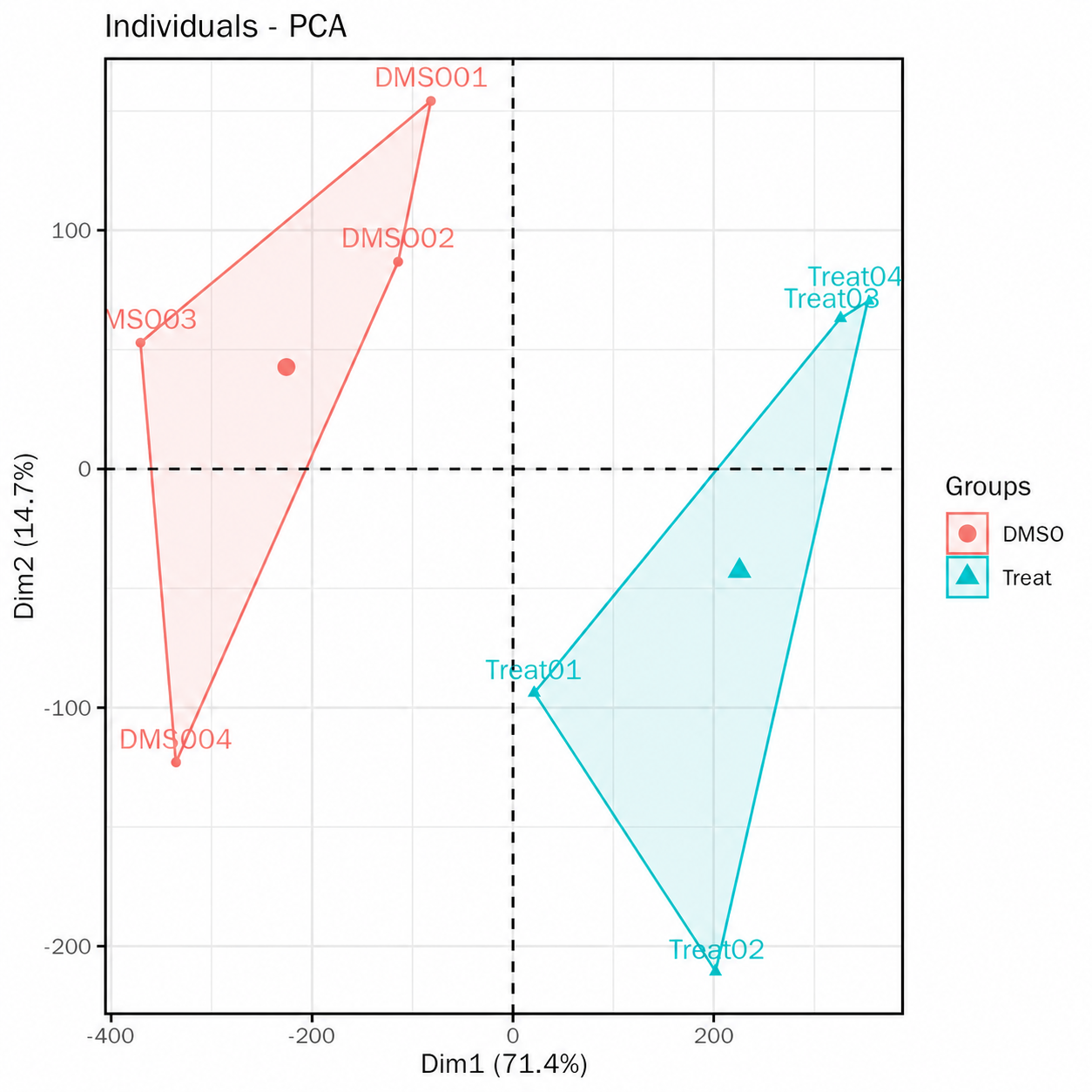
PCA Plot of Sample Grouping
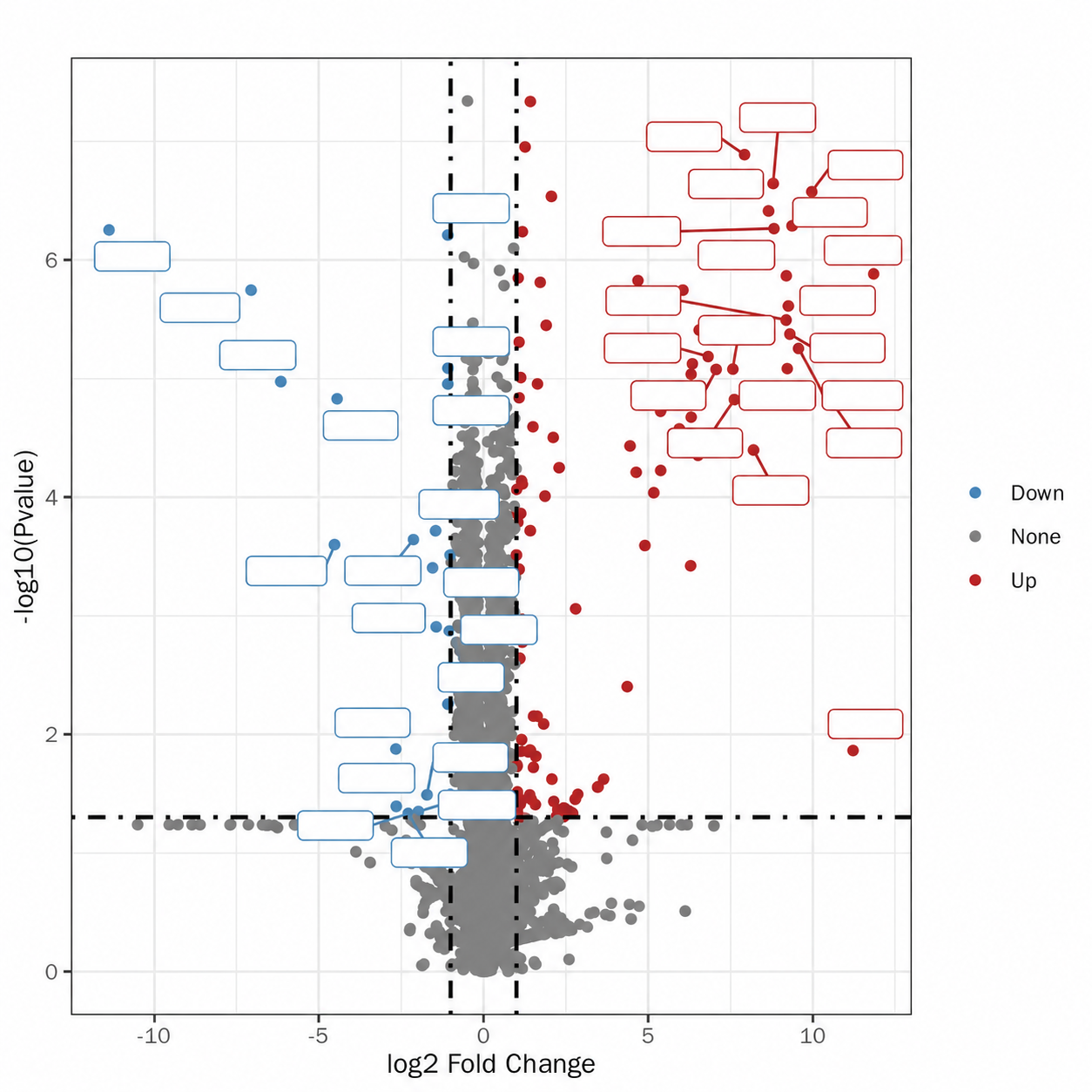
Volcano Plot of Differential Proteins
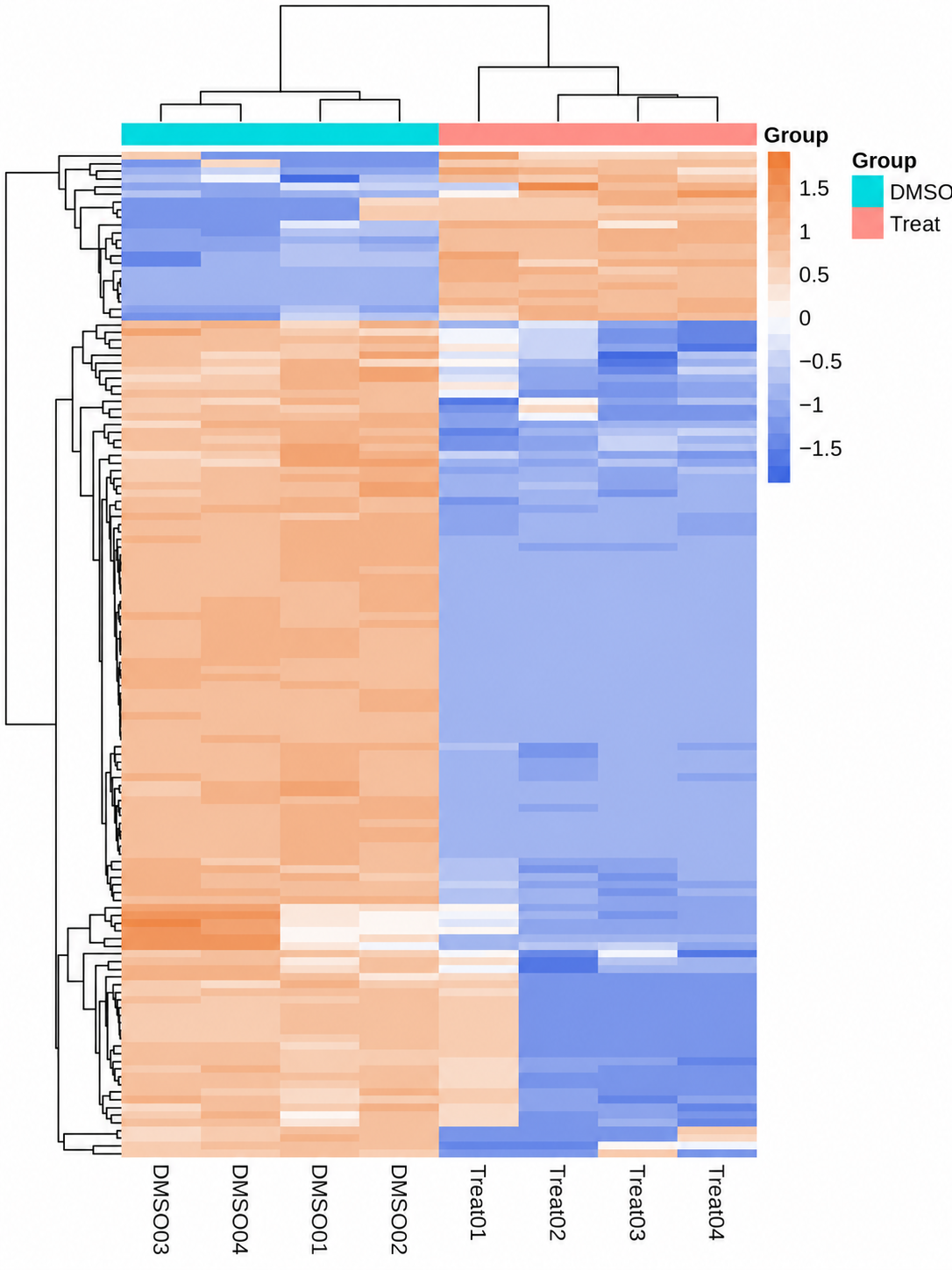
Heatmap of Differential Proteins