






Resources
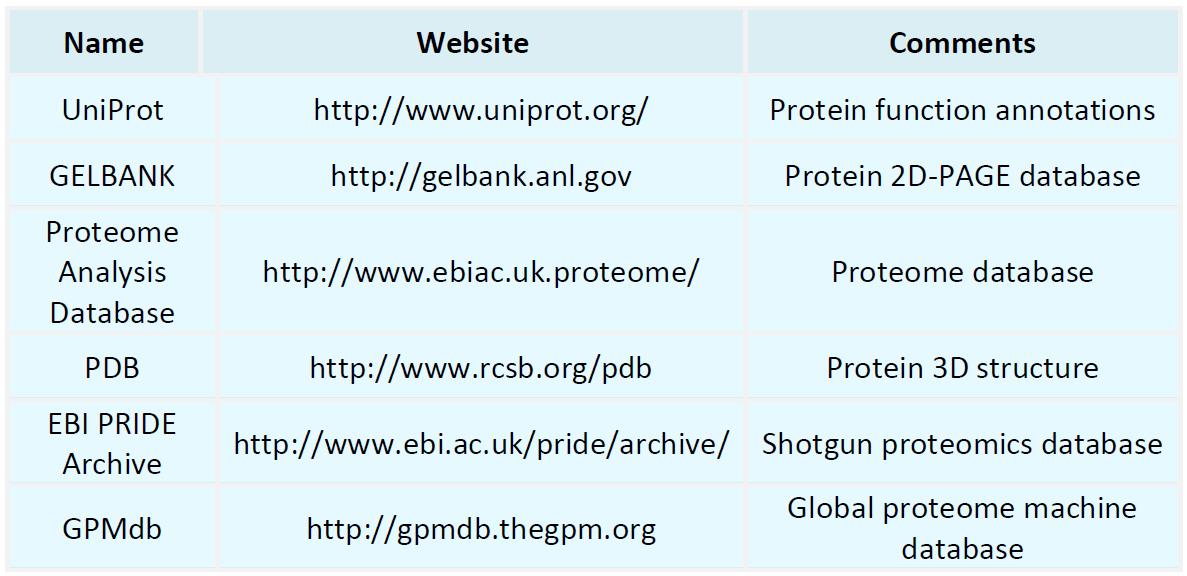
Proteomics Databases
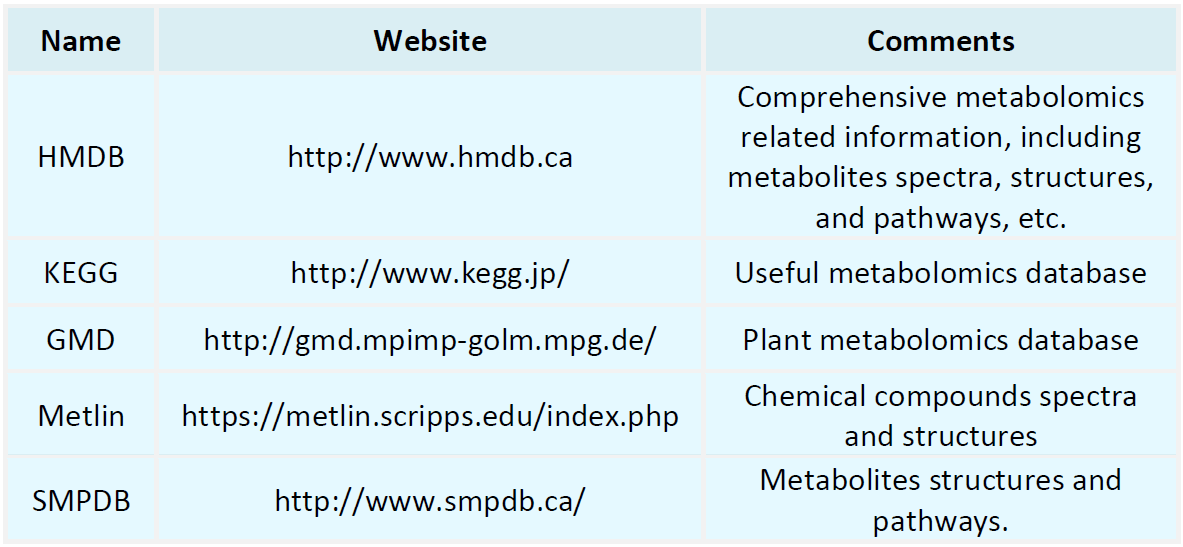
Metabolomics Databases
-
• CUT&Tag for Protein-DNA and Chromatin Binding Analysis
A guide to CUT&Tag principles, target and control selection, quality review, peak interpretation, and ChIP-Seq comparison.
-
• How to Filter True Interactors from IP-MS Data: Fold Change, Background and Controls
Explore how control comparisons, enrichment ratios, missing values, and replicate consistency support the prioritization of candidate interactors from IP-MS datasets.
-
• HDX-MS for Protein-Protein Binding Interfaces and Conformational Changes
Learn how HDX-MS compares bound and unbound proteins to map affected peptide regions and guide follow-up studies of protein interactions.
-
• Tissue Proteomics for Disease and Drug Response Studies
Comparing diseased and normal tissues, or drug-treated and control tissues, helps researchers identify protein abundance changes associated with disease status or an experimental intervention. Tissue proteomics adds a tissue-level view of these changes, supporting the study of disease-associated biology, pathological features, and treatment responses.
-
• Why Tissue Proteomics Results Vary and How to Interpret Protein Changes
Across tissue proteomics datasets, protein identification counts, relative abundance profiles, and within-group variation can differ among samples. None of these measures alone determines whether a result is reliable or biologically meaningful. Interpretation depends on peptide evidence, quantitative coverage, sample relationships, tissue composition, and statistical support for differential proteins.
-
• Tissue Proteomics Workflow from Protein Extraction to LC-MS/MS
Intact tissue cannot be analyzed directly by a conventional bottom-up LC-MS/MS workflow. Proteins must first be recovered from the tissue and converted into peptides suitable for mass spectrometric analysis. Depending on the material submitted, however, the laboratory workflow may begin at different stages.
-
• Experimental Design for Comparative Tissue Proteomics
Comparative tissue proteomics can reveal protein abundance differences across experimental conditions, but those differences are only interpretable when the biological comparison is defined before analysis begins.
-
• Challenges in Proteomics Analysis of Different Tissue Samples
Tissue amount alone does not determine whether a sample will perform well in proteomic analysis. Dense or fibrous tissues, lipid-rich and plant matrices, FFPE material, and low-input biopsies present different barriers to protein recovery.
-
• How to Prepare Tissue Samples for Proteomics Analysis
Tissue sample preparation for proteomics starts with defining what material will be collected or submitted. Before collecting tumor, brain, liver, muscle, plant, or other tissues, researchers should determine the tissue format, amount, initial handling, storage condition, and submission plan.
-
• Tissue Proteomics: Sample Preparation, Workflow, Data Analysis, and Applications
Tissues such as liver, brain, muscle, and plant leaves differ in cellular composition, structure, and physiological function. Tissue proteomics is the systematic identification and relative quantification of proteins in animal or plant tissues using liquid chromatography-tandem mass spectrometry (LC-MS/MS).
How to order?




